
8 Outfit Habits That Can Make Everyday Style Feel More Consistent Through the Week
Everyday style often feels strongest when the wardrobe follows a few dependable habits instead of relying on constant last-minute decisions. Many readers can create one good outfit, but the challenge usually appears later in the week. By then, the easiest pieces may be gone, weaker choices feel more visible, and getting dressed starts to feel less clear than it did on the first day.Stylists, wardrobe planners, and closet organizers often explain that consistent style usually comes from repeated habits more than sudden creativity. A few simple choices around clothing visibility, repeat wear, shoes, and outfit structure can make daily dressing feel much steadier. That is why outfit habits often shape everyday style more than readers expect.
Why everyday style often feels inconsistent during the week
Daily dressing becomes harder when each day is treated like a separate problem. A reader may build Monday’s outfit successfully, but if the wardrobe does not support repeated use well, the rest of the week can feel much more difficult. This often happens when strong pieces are not easy to find, outfit formulas are unclear, or shoes only work in narrow ways.
Wardrobe experts often note that practical style depends on momentum. A good outfit should make the next outfit easier to imagine, not harder. Strong outfit habits often protect that momentum across the week.
1. Keep one or two outfit formulas ready at all times
One of the most useful outfit habits is relying on formulas that already work. A shirt plus trousers plus loafers, a knit plus denim plus sneakers, or a dress plus jacket plus flats can all create a reliable starting point. Readers do not need to repeat the exact same look every day, but using a familiar structure often makes daily dressing much easier.
Stylists often explain that formulas save energy because they reduce guesswork. Once the shape of the outfit is trusted, smaller changes can keep it feeling fresh enough through the week.
2. Repeat the strongest pieces without apologizing for it
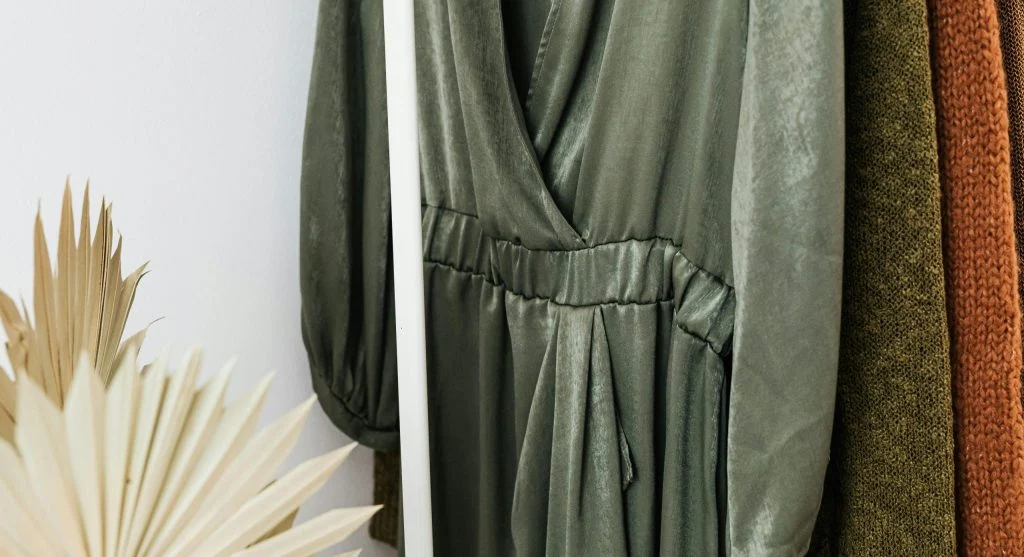
Many readers weaken their wardrobe by trying too hard to avoid repetition. In reality, the best pieces usually deserve to return often. A dependable trouser, shirt, shoe, or jacket often keeps showing up because it already supports real life well. Repetition usually signals usefulness, not failure.
Closet planners often note that daily style becomes more consistent when repeated pieces are treated like assets instead of something to hide. The strongest wardrobes usually include a lot of natural repeat wear.
3. Keep the most useful clothes easiest to reach
A wardrobe becomes less consistent when high-use clothing is buried behind items that rarely work. One very practical habit is keeping shirts, trousers, knitwear, denim, and everyday shoes where they can be seen quickly. Visibility often shapes what gets worn more than people realize.
Organizers often explain that readers usually choose from what feels easiest to access first. When the most useful clothing stays in clear view, stronger outfit decisions often happen faster.
4. Use shoes that support several days, not one look
Shoes play a major role in whether everyday style stays consistent. A few dependable pairs that work with denim, trousers, dresses, and layers often do more for the wardrobe than several shoes that only fit very specific outfits. Loafers, clean sneakers, flats, and low boots often help daily dressing feel more stable because they repeat well.
Footwear specialists often explain that useful shoes should support both the clothing and the pace of the day. When shoes fit routine and style at the same time, the outfit usually feels more complete.
5. Keep colors connected enough to mix quickly
Everyday style often becomes more consistent when the wardrobe has a connected color base. Shades such as navy, gray, black, white, beige, olive, and denim blue usually help because more combinations become possible without much thought. The goal is not removing all color. It is creating enough connection that repeated dressing feels easier.
Wardrobe consultants often note that readers usually get dressed faster when tops, bottoms, layers, and shoes already support each other visually. Connected color often helps that happen naturally.
6. Use one structured piece to steady simpler outfits
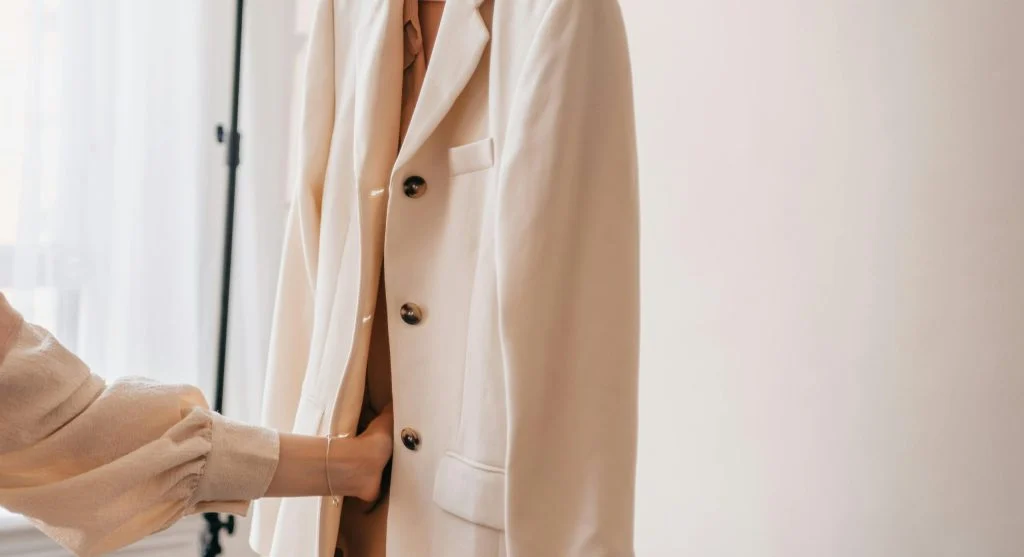
A useful daily style habit is relying on one structured item when the outfit needs more direction. A blazer, crisp shirt, light trench, or cleaner trouser can often sharpen soft or basic pieces without making the whole look feel too formal. This kind of structure often helps the wardrobe feel more consistent because outfits stay visually clear.
Fashion editors often explain that one structured element is usually enough to give the outfit better shape. This helps everyday style feel polished even when the rest of the look stays simple.
7. Notice what keeps working instead of chasing more variety
Many readers focus more on what feels new than on what already works. A better outfit habit is paying attention to which combinations hold up through long days, changing weather, or quick mornings. Those patterns often reveal the true strengths of the wardrobe. Once they are clear, dressing becomes much more consistent.
Wardrobe experts often explain that reliable style usually comes from better observation. Repeated success often matters more than fresh ideas when the goal is calmer daily dressing.
8. Reset the working wardrobe once a week
A short weekly reset can make the next round of outfit choices much easier. This might mean returning dependable pieces to the front, checking which shoes were most useful, or noticing what did not get worn at all. These small resets keep the wardrobe connected to real life instead of letting it drift into clutter and confusion again.
Organizers often note that a small reset often protects style consistency better than waiting for a full closet overhaul later. A little maintenance can help the whole week feel more manageable.
How these outfit habits support stronger everyday style
These habits work because they reduce repeated friction. The closet becomes easier to use, repeated pieces feel more intentional, and the strongest outfit formulas stay easier to reach. Over time, this often makes style feel less reactive and much more dependable from one day to the next.
For many readers, everyday style becomes more consistent not when the wardrobe gets bigger, but when a few better habits make the existing wardrobe easier to trust all week long.
Frequently Asked Questions
Q: What are outfit habits in everyday style?
A: Outfit habits are the repeated ways readers choose, organize, and repeat clothing. They shape how consistent and easy daily dressing feels through the week.
Q: Why does everyday style feel less consistent later in the week?
A: Everyday style often feels less consistent later in the week when strong pieces are harder to see, shoes do not repeat easily, or there are no dependable outfit formulas to rely on.
Q: Can outfit repetition improve everyday style?
A: Yes. Outfit repetition often improves everyday style because it helps readers rely on clothing that already fits well, works across several looks, and reduces decision fatigue.
Q: What is the easiest outfit habit to start with?
A: One of the easiest habits to start with is keeping the most useful clothing and shoes in the clearest view. That often improves daily outfit choices very quickly.
Key Takeaway
Outfit habits can make everyday style feel more consistent through the week by making strong pieces easier to see, easier to repeat, and easier to combine. Repeatable formulas, practical shoes, and a clearer wardrobe structure often reduce more stress than extra clothing does. For many readers, steadier style begins with habits that make the wardrobe work better every day.

Related Posts
Why One Steady Base Layer Shape Can Make Everyday Outfits Feel Easier to Build and More Polished
Why One Calm Outfit Anchor Can Make Everyday Looks Feel More Steady From First Piece to Last