7 Fashion Trends That Feel Easier to Wear in Real Life
Fashion trends often look striking in photos and campaigns, but real-life dressing has different demands. Most people need outfits that work for daily routines walking, commuting, changing weather, and repeated wear. That’s why some trends feel natural in everyday life while others remain difficult to use.
Fashion editors and stylists often point out that the most wearable trends are the ones that fit into an existing wardrobe without much effort. Trends tend to work best when they can pair easily with familiar basics instead of requiring a complete reset.
Why some fashion trends feel wearable and others do not
A trend doesn’t fail just because it looks bold. It often fails because it asks too much from the rest of the wardrobe. Dramatic shapes, unusual colors, or very specific fabrics can look strong on their own but become hard to repeat across normal days.
Wearable style usually comes from trends that allow flexibility. If a piece works with denim, trousers, skirts, outerwear, and simple shoes, it has a better chance of lasting beyond a single moment.
1. Relaxed tailoring
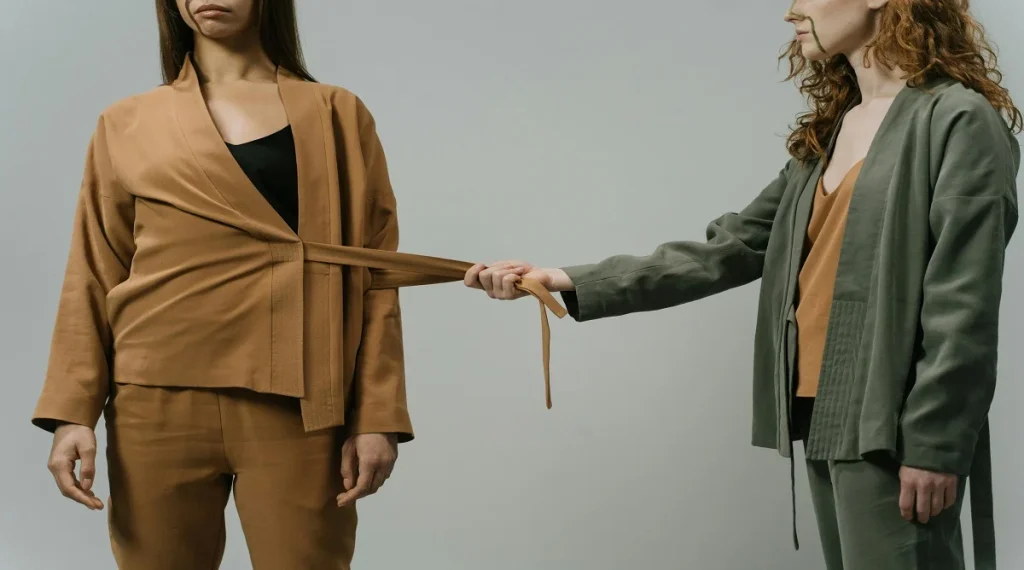
Relaxed tailoring is one of the trends that translates well into everyday wear. Softer blazers, easier trousers, and looser matching sets offer structure without feeling too formal. This makes them suitable for work, casual plans, travel, and everyday city outfits.
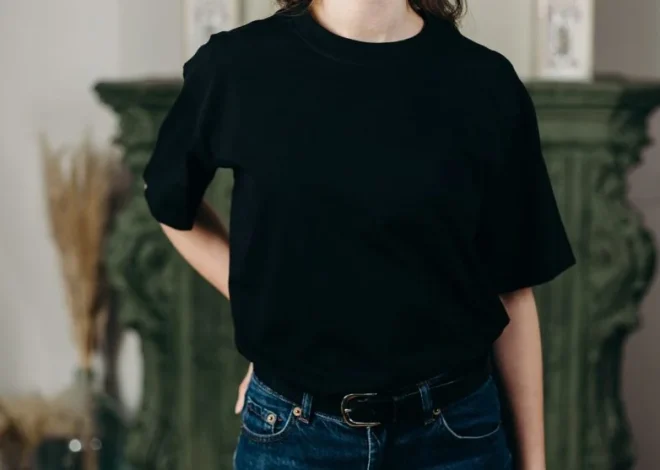
Stylists often suggest pairing relaxed tailoring with simple basics like a plain T-shirt, light knitwear, or clean sneakers. This keeps the outfit balanced and makes the trend feel practical rather than overly styled.
2. Low-profile sneakers
Low-profile sneakers remain practical because they fit into many outfits without overpowering them. They can soften tailored looks, work easily with denim, and pair well with dresses or skirts in warmer weather. Their strength comes from versatility rather than standout design.
Footwear trend watchers often note that a shoe becomes truly useful when it works across different outfit moods. That’s why low-profile sneakers continue to hold their place as a wearable trend.
3. Soft neutral color trends
Color trends feel easier to adopt when they stay within a calm, flexible palette. Shades like warm white, soft gray, muted olive, dusty blue, and light brown can refresh a wardrobe without making outfits harder to build. These tones tend to mix naturally with existing basics.
Color updates are often more practical than dramatic shape changes because they can be introduced gradually through knitwear, shirts, accessories, or shoes. Even one updated tone can make several outfits feel new.
4. Straight and relaxed denim cuts
Denim trends matter because jeans are part of everyday dressing for many people. Straight and relaxed cuts often feel more wearable than extreme shapes because they remain comfortable and easy to style with different tops, layers, and shoes.
Wardrobe experts often point out that denim trends only work if they fit real life. A modern cut may look current, but it still needs to support movement, layering, and regular use.
5. Matching sets in simple fabrics
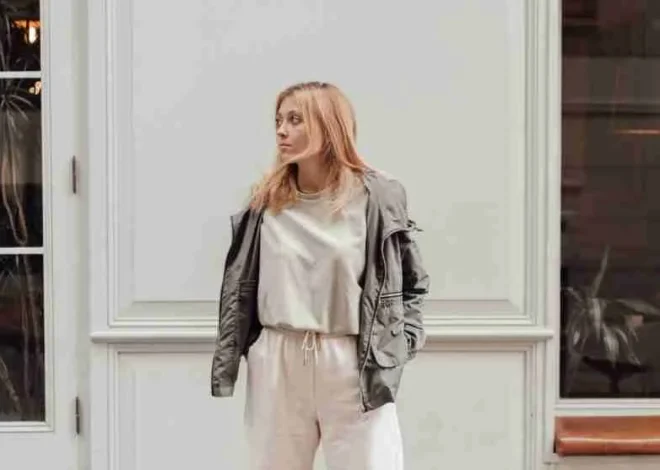
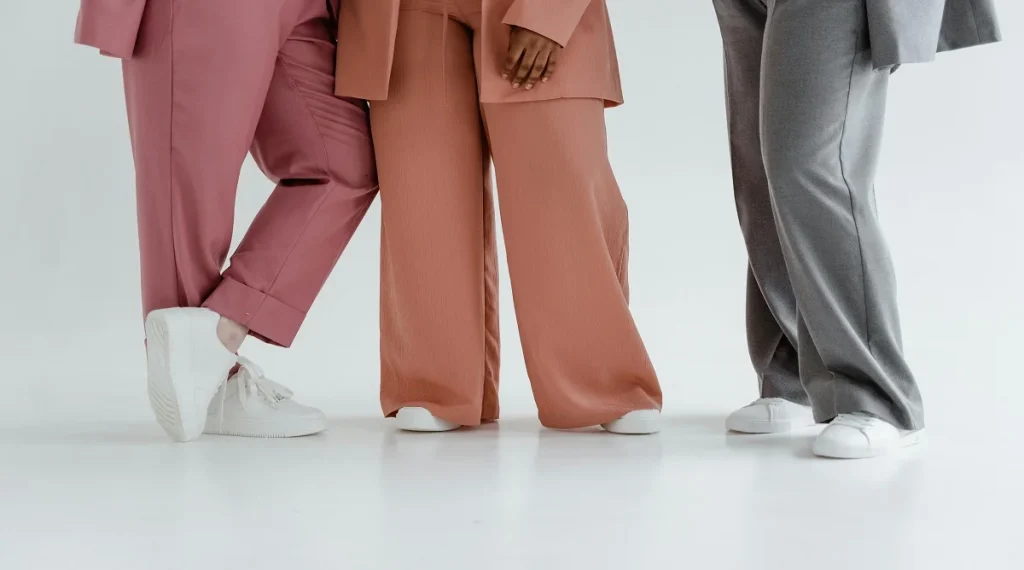
Matching sets simplify dressing by taking away most of the coordination. A shirt-and-trouser set, knit set, or light two-piece outfit can create a polished look with minimal effort. The pieces also become more versatile when worn separately.
This is why many stylists see matching sets as practical trend choices. They offer a current look while still supporting repeat wear in multiple combinations.
Credit: Tima Miroshnichenko / Pexels
6. Lighter layering pieces
Seasonal transitions often make lighter layers feel current and useful. Unlined jackets, overshirts, fine cardigans, and light trench coats show up in trend coverage because they support changing weather so well. They refresh an outfit without forcing a complete change.
Editors often point out that outer layers are one of the easiest ways to use trends. They shift the overall look quickly while the rest of the outfit can stay familiar and practical.
7. Cleaner, quieter accessories
Accessory trends don’t need to be bold to feel new. Structured tote bags, slim belts, simple jewelry, and polished flats can update an outfit in a subtle but effective way. These pieces often last longer because they’re easy to repeat.
Wearable style usually depends on accessories that support the outfit instead of competing with it. That’s why quieter accessory trends often feel more realistic for everyday use.
How to wear fashion trends without losing balance
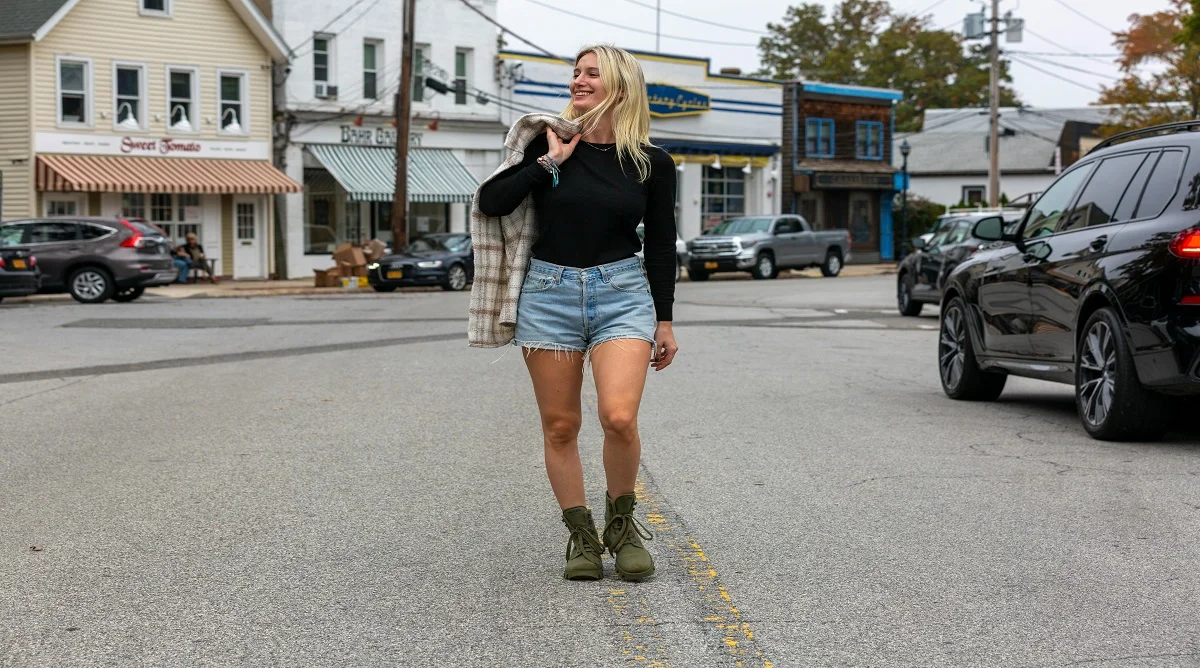
The simplest way to use trends is to keep most of the outfit consistent and change one element at a time. A trend shoe can work with classic trousers. A new jacket shape can layer over a plain T-shirt and denim. A soft trending color can be added through knitwear or a bag.
Stylists often suggest testing trends with the basics you already wear most. If the piece doesn’t connect easily to those items, it may not stay in regular use.
What makes a trend piece worth keeping
A trend piece is usually worth keeping if it fits into at least three outfits, matches your routine, and feels comfortable enough for repeat wear. The strongest trends are the ones that stop feeling temporary and start blending into everyday style.
Retail analysts often note that real wardrobe value comes from repetition. A piece worn often matters far more than one that works only once.
Frequently Asked Questions
Q: Which fashion trends are easiest to wear every day?
A: Fashion trends that are easiest to wear every day usually include relaxed tailoring, simple sneakers, calm color updates, and easy layers. These trends work well because they mix with familiar basics.
Q: How can trend pieces look less overwhelming?
A: Trend pieces often look less overwhelming when paired with neutral wardrobe staples and simple shoes. Keeping the rest of the outfit calm usually improves balance.
Q: Do fashion trends need a full wardrobe update?
A: No. Most fashion trends work better when introduced slowly through one or two pieces. A small update often feels more wearable than a full closet change.
Q: What makes wearable style different from trend chasing?
A: Wearable style focuses on comfort, repeat use, and fit with daily life. Trend chasing often focuses more on what is new than on what is actually useful in the wardrobe.
Key Takeaway
The most useful fashion trends are usually the ones that fit into daily life without making dressing more complicated. Relaxed tailoring, simple sneakers, soft neutral colors, and practical layering pieces tend to work because they integrate easily with basics already in the closet. For many people, trends feel more wearable when they support balanced, repeatable outfits rather than trying to replace them.