Why Softer Outfit Symmetry Is Becoming a More Useful Trend in Everyday Dressing
What softer outfit symmetry actually means
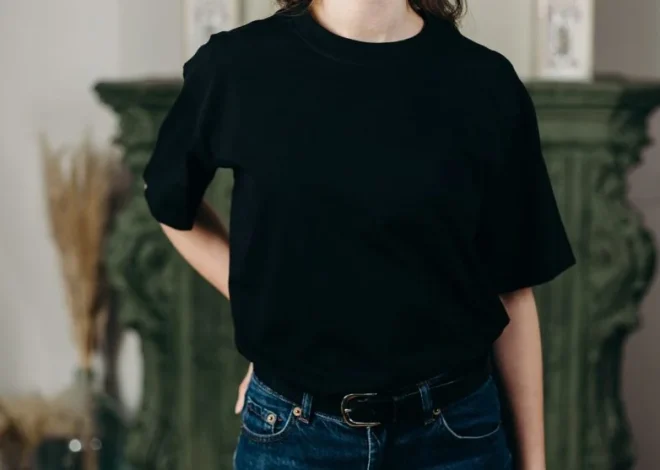
Softer outfit symmetry means the look feels balanced and centered without depending on exact matching or perfect visual mirroring. The clothing may share similar visual weight on both sides of the body, a centered feeling through the middle, or a calm relationship between upper and lower halves, but the outfit does not need to look mathematically exact. The effect is closer to harmony than to strict sameness.
This matters because the eye naturally responds to balance. When an outfit feels too random, it may look unsettled. When it feels too exact, it may seem overly styled for normal life. Softer symmetry offers a more wearable middle ground.
Why stronger symmetry can feel too formal for everyday outfits
Highly symmetrical styling often looks polished, but it can also feel too deliberate for ordinary dressing. Very even tailoring, highly centered details, or overly matched finishing pieces may create a stronger effect than readers actually want for errands, workdays, or casual plans. Softer symmetry works better because it keeps the balance while removing some of the pressure.
Stylists often explain that the most useful trends are the ones readers can live in naturally. Softer balance supports that idea well. It helps the outfit look organized without making the person wearing it seem overdressed for everyday movement.
How this trend helps simple outfits look more composed
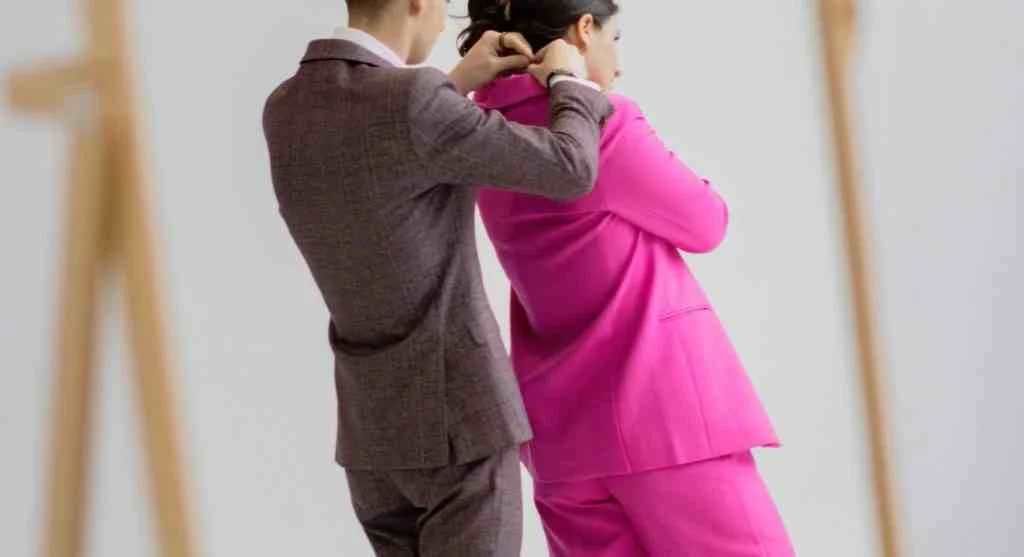
Basic daily outfits often need one quiet form of order to feel complete. A simple top, trouser, and shoe combination can look much stronger when the visual balance feels steady. A centered neckline, a calm waist area, evenly supportive shoes, or a layer that frames the body naturally can all contribute to this effect. The outfit still looks easy, but it no longer seems accidental.
This is one reason the trend works especially well in wardrobes built around basics. It does not demand louder prints or stronger accessories. It improves the outfit through a calmer arrangement of the pieces already there.
Why centered outfit energy feels so wearable
Many strong everyday looks create a sense of centered energy. The eye knows where to settle, and the clothing does not seem to lean too far in one direction. This may come from a cleaner vertical line through the middle, from a more readable waistband area, or from a balanced relationship between sleeves, hems, and shoes. When those things align softly, the whole outfit often looks more trustworthy.
This matters because readers usually want clothing they can rely on. Softer symmetry often creates that feeling by giving the outfit enough balance to seem stable without making it feel too formal or too styled.
How this trend works with layers
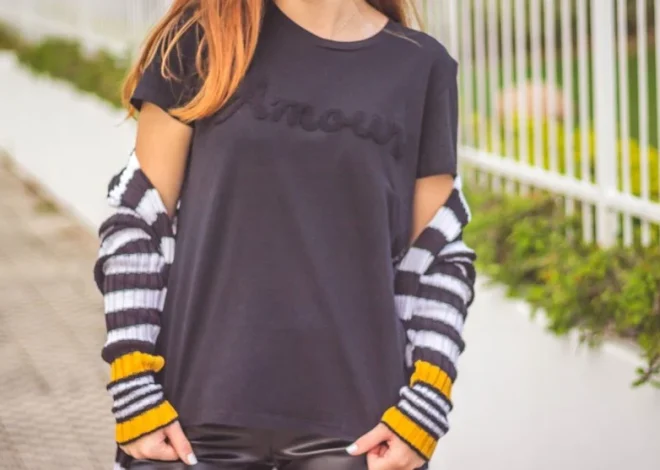
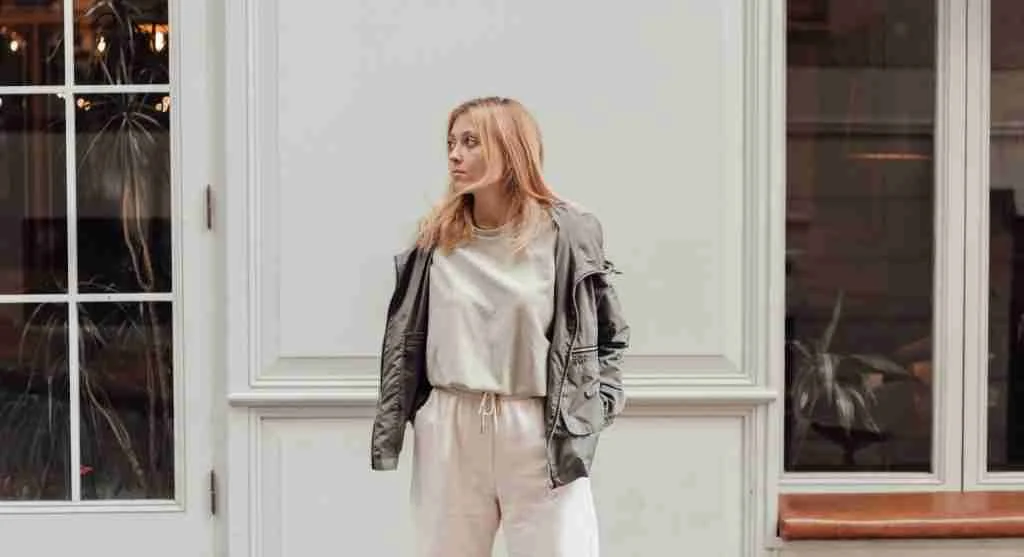
Layers often help create softer symmetry because they can frame the body without forcing it. A cardigan, blazer, overshirt, or light jacket that opens cleanly through the center can give the outfit a more balanced structure while still allowing relaxed movement around it. The layer does not need to be stiff. It simply needs to help the outfit feel more evenly organized.
This is one reason useful layers become such important wardrobe tools. They can improve not only warmth and coverage, but also the overall visual balance of the look.
Why shoes and bags should support the same calm balance
Softer symmetry works best when finishing pieces do not break the calm organization of the outfit. Shoes that are too visually heavy on one end of the silhouette, or a bag that pulls too much attention sharply to one side, can disturb the balance. Cleaner, calmer finishing pieces often work better because they support the centered feeling the clothing is already building.
This does not mean the accessories must be plain. It means they should help maintain the outfit’s balanced rhythm instead of dragging it into a more uneven or overly dramatic shape.
How fabric and texture influence the trend
Softer symmetry usually works best when fabrics support the same mood. Calm woven textures, light structure, softer matte finishes, and materials that do not feel too sharp often help build a more natural kind of balance. If one fabric feels much more severe or much more heavy than the rest, the outfit may start losing the quiet steadiness that makes the trend so wearable.
This is why softer symmetry often looks strongest in pieces that feel polished but not hard. The surfaces support the balance instead of fighting it.
Why this trend repeats well in real wardrobes
Some trends are interesting but difficult to wear often because they depend on strong effect. Softer outfit symmetry usually repeats better because it supports many kinds of ordinary outfits without demanding attention every time. Readers can use the same idea with trousers, skirts, dresses, and layers across the week while still keeping the wardrobe varied.
Wardrobe planners often explain that the best trends are the ones readers stop noticing as trends and simply start experiencing as easier dressing. This is one of those trends. It improves the look quietly enough to become part of normal style rather than a special styling event.
How to know if this trend fits your wardrobe
A strong sign is that outfits often feel a little too random when left fully loose, but too formal when styled too sharply. Readers who prefer basics, cleaner lines, light layering, and practical shoes often find softer symmetry fits naturally into the way they already dress. It is especially useful when the wardrobe needs more balance, but not more strictness.
If a centered layer, calmer waist area, or more evenly weighted finishing pieces consistently make outfits feel easier, this trend is likely helping the wardrobe in a useful way.
Frequently Asked Questions
Q: What is softer outfit symmetry?
A: It is a styling approach that creates balanced and centered outfit energy without relying on exact matching or very rigid mirrored details.
Q: Why is softer symmetry more wearable than strict symmetry?
A: It is more wearable because it gives outfits balance and structure while still allowing comfort, movement, and a more relaxed everyday mood.
Q: How can I create softer outfit symmetry?
A: You can create it through a centered layer opening, a clearer middle, balanced shoe weight, and clothing that feels visually organized without looking too exact.
Q: Does this trend work only with very simple clothes?
A: No. It works especially well with basics, but it can also support more detailed wardrobes as long as the outfit still keeps a calm and balanced overall structure.
Key Takeaway
Softer outfit symmetry is becoming a more useful trend in everyday dressing because it gives clothing a calmer and more wearable kind of balance. It helps daily outfits feel organized without making them too formal, too rigid, or too obviously styled. For many readers, this trend works because it brings steadiness and ease into the same look at the same time.