Why Softer Shoulder Structure Is Becoming a More Useful Trend in Everyday Dressing
That is one reason softer shoulder lines have become increasingly practical for everyday dressing. Many people still want clothing that looks intentional, but they also want pieces that feel comfortable enough for regular routines. Softer shoulder structure offers that balance by providing definition while allowing for easier movement, greater comfort, and more frequent wear throughout the week.
What Softer Shoulder Structure Means
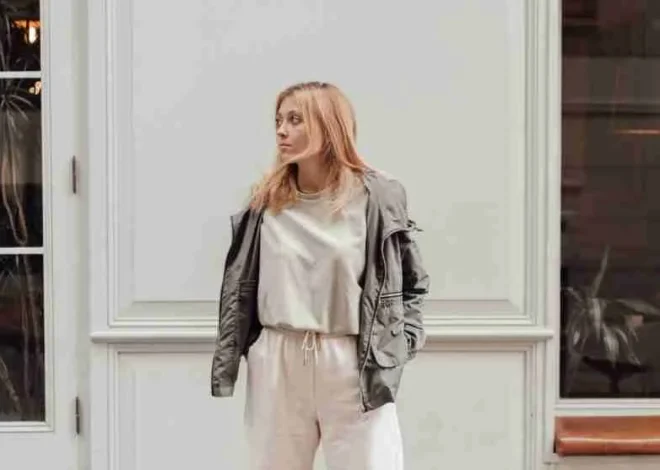
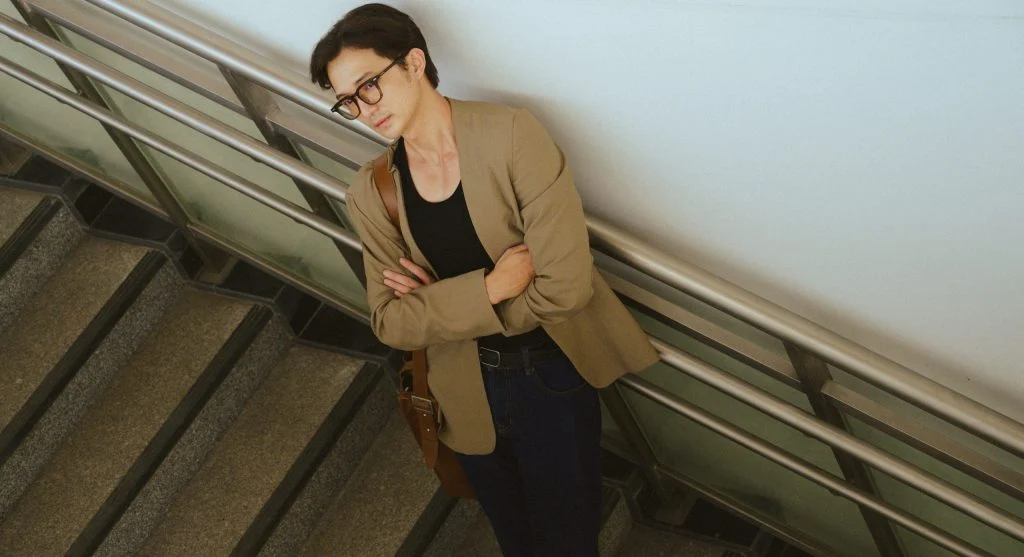
Softer shoulder structure refers to garments that maintain shape around the shoulders without depending on heavy padding or sharp tailoring. This style appears in blazers, shirts, overshirts, lightweight jackets, and dresses with sleeves. The shoulders still create a clean outline, but they do so with a gentler, more relaxed appearance.
This matters because the shoulder line helps establish the overall mood of an outfit. When that line becomes softer, the entire look often feels more approachable while still maintaining a polished appearance.
Why It Feels More Practical Than Sharp Tailoring
Strong, structured tailoring can create a striking look, but it often encourages the rest of the outfit to become equally formal. While that works well in some situations, it may feel too polished for everyday errands, casual workdays, or relaxed social plans.
Softer shoulder construction offers greater flexibility. It keeps enough structure to look refined while allowing the rest of the outfit to remain comfortable and effortless.
That practical balance makes this trend especially useful for people who want everyday clothing that looks put together without feeling overdressed.
Softer Shoulders Make Layering Easier
Layering becomes much simpler when garments have a more relaxed shoulder line. Highly structured jackets sometimes sit awkwardly over lightweight tops, fine knits, or dresses because the rigid shape demands equally structured pieces underneath.
Garments with softer shoulders adapt more naturally to different layers. They work comfortably over T-shirts, blouses, sweaters, and dresses, making them easier to wear across changing temperatures and daily activities.
This versatility often increases how frequently these pieces are worn.
They Work Naturally With Everyday Basics
Many everyday wardrobes rely on simple clothing rather than dramatic fashion statements. A softly structured blazer can elevate a T-shirt and trousers, while a lightweight overshirt can refine a simple dress without making either outfit feel overly formal.
Because the shoulder line adds quiet definition, basic pieces appear more intentional without losing their relaxed character.
This is one reason the trend fits so well into modern wardrobes. It supports the clothing people actually wear most often.
Shoulder Structure Changes the Overall Mood
The shape of the shoulders influences how an outfit is perceived almost immediately. Sharper lines often create a stronger, more commanding appearance. Softer lines usually communicate ease, approachability, and understated polish.
This does not make the clothing look less refined. Instead, it creates a version of polish that feels more comfortable in everyday settings.
Many people appreciate this shift because it allows them to look well dressed without appearing overly formal.
Fabric Plays an Important Role
The success of softer shoulder structure depends greatly on the fabric. Materials with some body but not excessive stiffness usually create the best balance. Washed cotton, lightweight suiting fabrics, structured knits, and soft woven blends often provide enough support to maintain shape while still allowing the garment to move naturally.
If the fabric is too rigid, the relaxed effect disappears. If it is too soft, the garment may lose the definition that makes the silhouette work.
Choosing fabrics with both flexibility and structure helps achieve the most balanced result.
Shoes and Accessories Should Match the Same Mood
Softer shoulder lines generally pair best with accessories that share the same relaxed level of polish. Loafers, streamlined flats, understated handbags, and simple accessories usually reinforce the easy elegance created by the clothing.
This does not mean every accessory must perfectly match. Instead, the finishing pieces should support the overall tone rather than introducing an entirely different style direction.
Sometimes changing just one accessory is enough to make the whole outfit feel more balanced.
These Pieces Often Get Worn More Often
One of the biggest advantages of softer shoulder garments is their versatility. Because they fit comfortably into everyday life, they naturally become some of the most frequently worn pieces in a wardrobe.
The same blazer or lightweight jacket may work with jeans, tailored trousers, dresses, skirts, and different shoe styles throughout the week.
Wardrobe experts often note that the most valuable trend pieces are not necessarily the most dramatic ones they are the garments that improve multiple outfits through repeated wear. Softer shoulder structure fits that description well.
How to Know If This Trend Fits Your Wardrobe
If sharply tailored clothing already feels too formal or restrictive for your daily routine, softer shoulder lines may be a natural fit. They work especially well in wardrobes built around basics, practical footwear, lightweight layering, and clothing designed for frequent wear.
If replacing a structured jacket with a softer version immediately makes several outfits feel more comfortable and wearable, it is a good sign this approach complements your personal style.
Frequently Asked Questions
Q: What is softer shoulder structure in fashion?
A: It is a shoulder line that still gives clothing shape and definition, but in a gentler and less rigid way than very sharp or highly formal tailoring.
Q: Why is softer shoulder structure useful for everyday dressing?
A: It is useful because it creates polish without making outfits feel too stiff, too formal, or too difficult to repeat in normal daily life.
Q: What types of clothing show this trend most clearly?
A: Blazers, overshirts, light jackets, button-front tops, and some dresses with sleeves often show the trend most clearly because the shoulder line shapes the whole upper half of the outfit.
Q: Does softer shoulder structure mean clothing has no shape?
A: No. The clothing still has shape, but it creates that shape with more ease and less severity, which often makes it more wearable.
Key Takeaway
Softer shoulder structure has become one of the most practical trends in everyday dressing because it combines polish with comfort. By replacing rigid tailoring with gentler shaping, these garments make layering easier, elevate basic outfits, and fit naturally into daily life. For many people, this approach offers the ideal balance between looking refined and feeling comfortable, making everyday style both more wearable and more versatile.