Why Softer Vertical Lines Are Becoming a More Useful Trend in Everyday Outfits
That practicality is one of the reasons softer vertical lines have become increasingly popular. Many people want outfits that appear put together without feeling as though they are dressed for a formal occasion. This styling approach offers a comfortable middle ground by adding visual structure while keeping clothing easy to wear, simple to repeat, and suitable for everyday life.
What Softer Vertical Lines Actually Are
In fashion, vertical lines are created by the way clothing naturally guides the eye from top to bottom. An open jacket, a long cardigan, a button-front shirt, straight-leg trousers, or even the shape of a lightweight scarf can all create this effect. Softer vertical lines achieve the same sense of length but in a more relaxed and approachable way. Rather than creating dramatic structure, they use gentle layering and cleaner silhouettes to produce a calm, elongated appearance.
This makes the trend especially appealing because it delivers a more refined look without requiring overly formal clothing. Many everyday wardrobes built around practical basics, comfortable shoes, and versatile layers already contain pieces that work well with this approach.
Why It Feels More Wearable Than Sharp Tailoring
Traditional vertical styling often relies on crisp tailoring, exact proportions, and more formal garments. While those outfits can look striking, they are not always practical for everyday routines. Softer vertical lines feel easier because they allow clothing to move naturally. An open overshirt worn over a T-shirt, a relaxed cardigan, or a lightweight blazer can all create length without making the outfit feel rigid.
That balance is what makes the trend so useful. Instead of requiring the day to become more formal, the clothing adapts comfortably to work, errands, travel, or casual social plans.
Open Layers Create the Effect Naturally
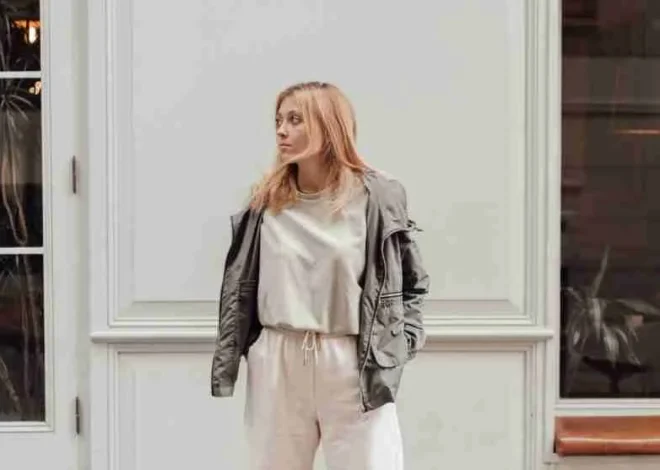
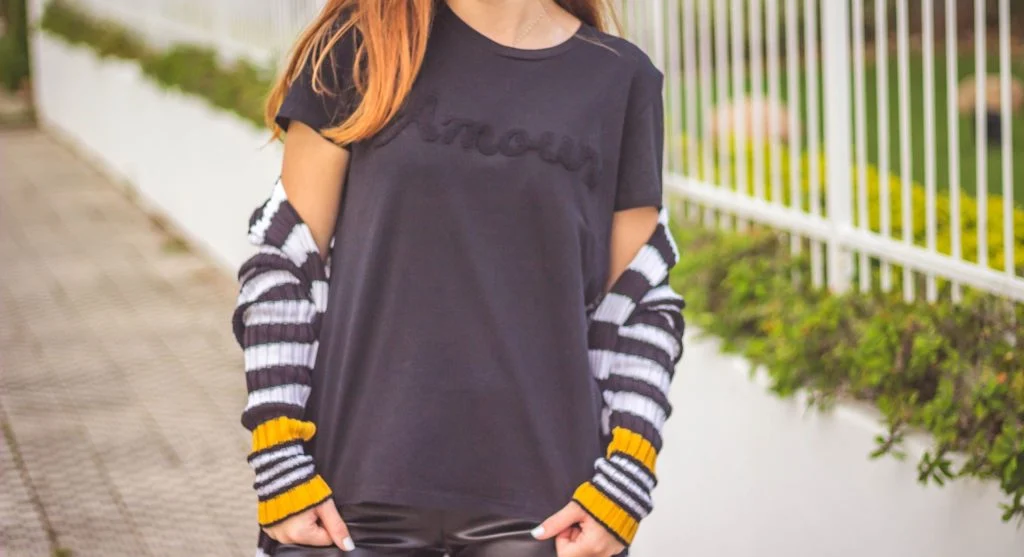
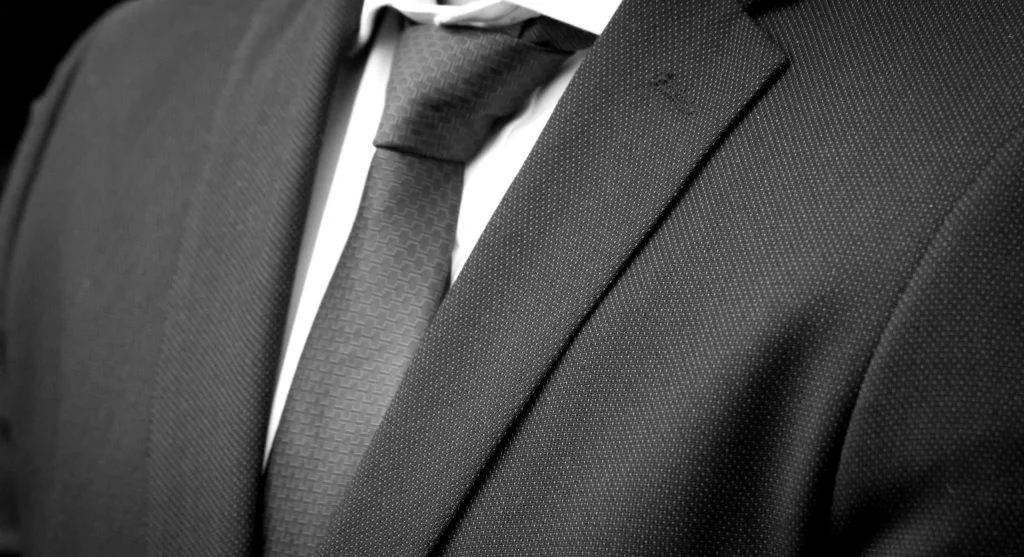
One of the simplest ways to build softer vertical lines is by adding an open outer layer. Long cardigans, lightweight blazers, overshirts, or relaxed jackets naturally frame the outfit underneath while guiding the eye vertically. The clothing beneath does not need to be complicated. In fact, basic tops often work especially well because they allow the clean vertical shape to stand out.
This is one of the reasons the trend feels so accessible. Many people can recreate the effect simply by wearing a familiar layering piece differently instead of purchasing an entirely new wardrobe.
Straight Bottoms Help Maintain the Flow
The lower half of an outfit plays an important role in supporting vertical lines. Straight-leg trousers, relaxed denim, or other clean silhouettes continue the visual flow established by the upper layers. The goal is not to wear narrow clothing but to avoid introducing shapes that compete too strongly with the long, calm lines created above.
When the upper and lower halves of the outfit work together, the overall look feels balanced and intentional rather than disconnected.
Simple Clothing Looks More Thoughtful
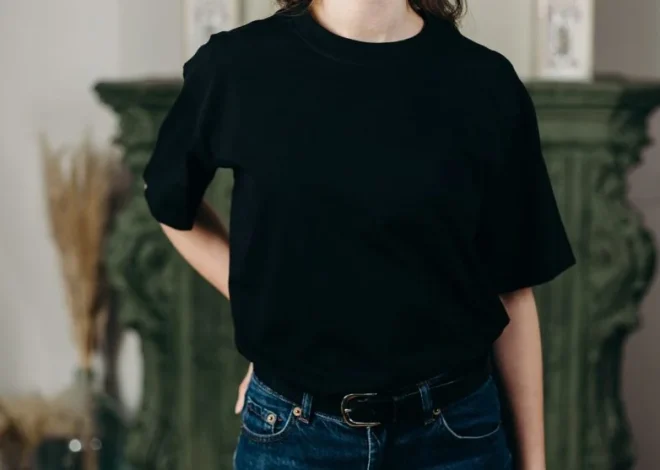
Many everyday outfits begin with practical basics such as a plain T-shirt and comfortable trousers or jeans. While these combinations are functional, they can sometimes appear unfinished. Softer vertical lines add subtle direction without making the outfit busier. A single open layer or one longer silhouette often transforms a simple combination into something that feels more polished.
For people who prefer understated style, this trend offers refinement without depending on bold prints, bright colors, or oversized accessories.
Fabric Choice Makes a Difference
The success of softer vertical lines depends partly on fabric. Lightweight woven materials, washed cotton, soft knits, breathable blends, and relaxed suiting fabrics often create the ideal effect. These materials provide enough structure to define the silhouette while remaining comfortable and flexible throughout the day.
If fabrics are too stiff, the outfit may begin to feel more formal than intended. If they are too loose or flimsy, the vertical effect becomes less noticeable. The most effective outfits usually balance structure with movement.
Shoes Should Continue the Overall Flow
Footwear also influences how successfully an outfit creates soft vertical lines. Loafers, streamlined sneakers, simple flats, and other lower-profile shoes often complement this style because they continue the outfit’s clean visual flow without adding unnecessary heaviness.
Heavier footwear can certainly work, but it generally benefits from stronger balance elsewhere in the outfit. Since the eye naturally travels downward, shoes become the final element supporting the overall silhouette.
Why the Trend Feels Modern
Today’s fashion often favors clothing that looks considered without appearing overly controlled. Softer vertical lines fit naturally within this shift. They provide shape and refinement while remaining relaxed enough for ordinary routines. Rather than creating an outfit that feels formal, they help everyday clothing appear more intentional.
This practical balance is one reason the trend continues to gain popularity. It delivers visual polish without sacrificing comfort or versatility.
How to Know if It Fits Your Style
People who already enjoy layering pieces, simple tops, neutral colors, and clean silhouettes will often find this trend fits naturally into their wardrobe. It is especially useful for anyone who feels that sharply tailored outfits seem too formal while completely oversized or shapeless clothing feels unfinished.
If adding one lightweight open layer immediately makes several outfits feel more balanced and complete, softer vertical lines are likely a natural fit for your personal style.
Frequently Asked Questions
Q: What are softer vertical lines in fashion?
A: Softer vertical lines are gentle up-and-down outfit lines created through open layers, cleaner silhouettes, and relaxed structure rather than very sharp or severe tailoring.
Q: Why are softer vertical lines useful in everyday outfits?
A: They are useful because they add clarity and polish while still feeling comfortable and wearable for normal daily routines.
Q: What pieces create this effect most easily?
A: Open blazers, long overshirts, soft cardigans, clean button-front tops, and straight or calm lower-half silhouettes often create the effect most naturally.
Q: Do softer vertical lines only work with formal clothing?
A: No. They often work especially well with casual basics, practical shoes, and light layering because the effect depends more on line and flow than on formal dress codes.
Key Takeaway
Softer vertical lines have become one of the most practical fashion trends because they create polish through relaxed structure instead of rigid tailoring. Open layers, clean lower-half silhouettes, comfortable fabrics, and balanced footwear work together to make everyday outfits feel more intentional while remaining easy to wear. For many wardrobes, this approach offers the ideal combination of comfort, versatility, and effortless style.