Why One Small End-of-Room Reset Point Can Make the Whole Home Feel Less Busy at Night
What an end-of-room reset point actually is
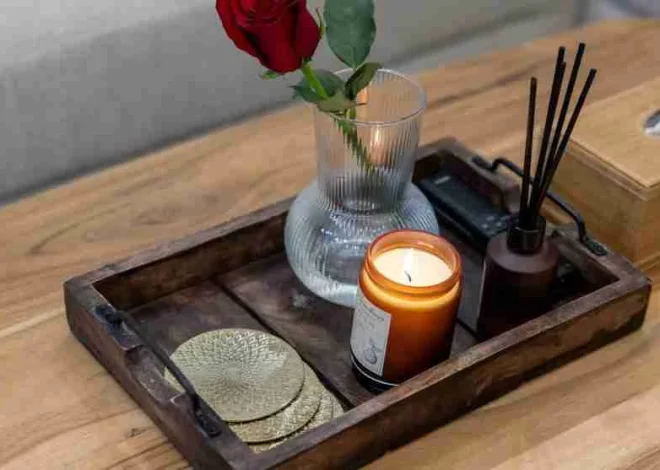
An end-of-room reset point is one small area in a room where loose daily items can be gathered before the room is left for the evening. This may be one tray on a side table, one basket on a shelf, one corner of a console, or one controlled section of a counter. It is not permanent storage. It is a short-term place where the room can collect itself before nighttime routines begin.
This matters because rooms often feel more stressful when several little unfinished items are spread around at once. A reset point reduces that spread. The room may still look lived in, but it begins to look settled rather than scattered.
Why evenings make scattered items feel heavier
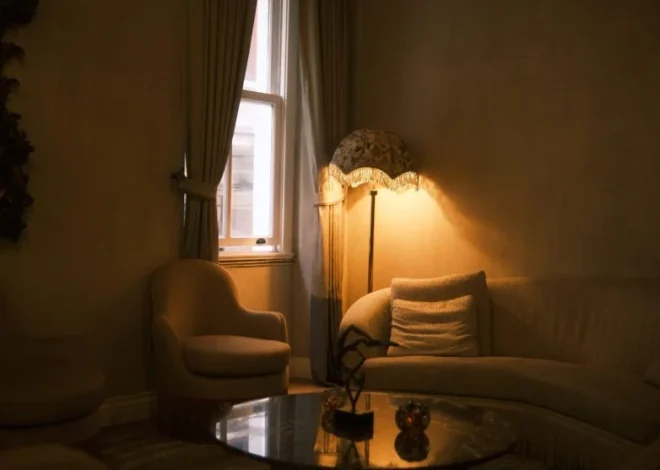
During the day, readers are usually moving quickly enough that small clutter feels less noticeable. At night, the mood changes. Spaces are expected to feel calmer, softer, and more settled. That is why one cable, one cup, one notebook, and one pair of glasses can suddenly seem much more distracting than they did earlier. The room is no longer being judged by daytime energy. It is being judged by whether it feels ready to slow down.
Home organizers often explain that evening clutter carries a stronger emotional weight because it affects how rest begins. A reset point helps by giving the room one visual answer before that clutter starts shaping the atmosphere too strongly.
How one reset point changes the feel of a room
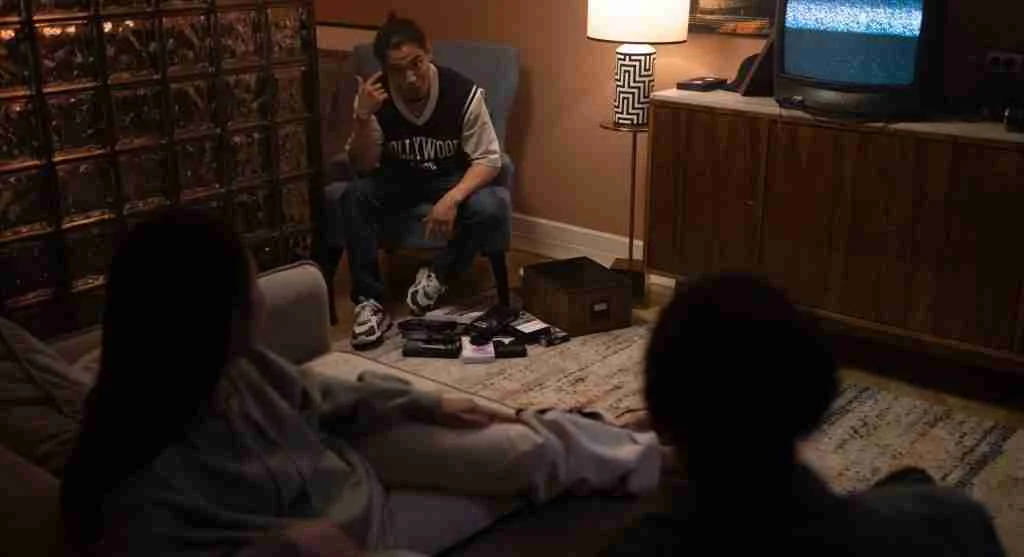
Rooms often appear busier than they really are because the eye catches several loose objects in different places. Once those objects move into one smaller, controlled point, the room often feels calmer immediately. The furniture begins reading as the room again rather than as a set of surfaces still carrying unfinished activity. That shift can make a shared space feel more restful long before any deep cleaning happens.
This is why even a tiny reset point can have a big effect. It changes the room’s visual message. Instead of saying the day is still happening everywhere, it says the day has mostly been gathered up.
What usually belongs in the reset point
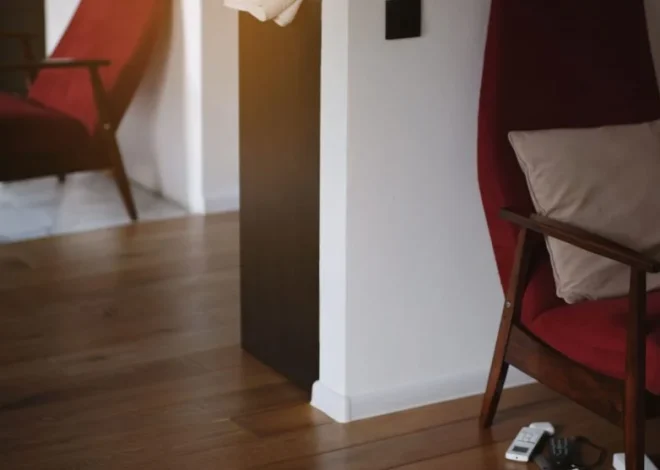
The strongest items for this system are the ones that commonly stay behind when readers leave the room. These may include a charger, glasses, a mug, a remote, small papers, a notebook, or another object that does not belong out overnight but also does not need immediate full handling. The exact mix depends on the room, but the items should always reflect real room use rather than general storage needs.
This is what makes the reset point practical. It is not a decoration trick. It is a working spot for the specific little items most likely to make the room feel busy if left scattered.
Why one point works better than trying to tidy everything
Many readers avoid evening resets because they assume they need enough energy to tidy the whole room properly. In reality, one focused point often creates enough visible improvement to change how the room feels. A full reset may still happen later when needed, but the reset point offers a smaller action that works even on low-energy evenings.
This is one reason the habit is so repeatable. It asks less from the reader while still giving the room a clearer ending to the day. Small organizing actions often succeed because they fit real life better than larger ideal routines.
How this supports better nighttime routines
Nighttime routines often become easier when the room is no longer visually asking for attention from several directions. A calmer living room makes winding down simpler. A more settled entry area makes the house feel more finished. A tidier bedroom corner can make rest feel easier to begin. The reset point helps because it reduces background visual noise right before readers want the home to start feeling quieter.
That kind of support matters because homes are not just managed for appearance. They are managed for how they help people move through the end of the day.
Why the reset point should stay visually quiet
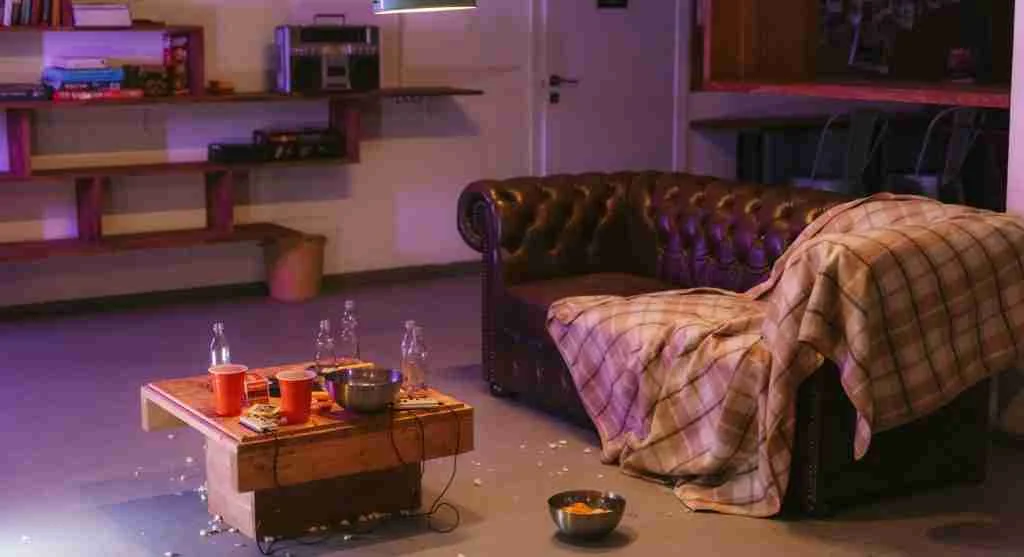
The system usually works best when the point itself stays simple. A tray, basket, or one small section of a surface is often enough. If the reset point becomes too large, too full, or too decorative, it can start behaving like another clutter zone instead of a solution. The room should feel lighter after items move there, not as though it has gained another object asking for attention.
This is why calm boundaries matter. The reset point should create visual relief, not just relocate visual noise into a slightly different shape.
How to keep it from becoming permanent storage
The easiest way is to treat the reset point as a pause, not a destination. The items there should still have a next step. Some may go back to another room the next morning. Others may be handled during a short final check before bed. If the same objects keep sitting there for days, the point has probably stopped being a reset tool and started becoming storage by accident.
This kind of maintenance does not need to be complicated. It only needs to happen often enough that the reset point keeps serving the room rather than slowly turning into its own clutter pile.
Why this improves emotional calm as well
Rooms feel more restful when they stop showing the leftover motion of the day. Even when readers are not consciously thinking about every object left out, they still feel the pressure of unfinished visual signals. One reset point helps lower that pressure by giving the room a more complete ending. The room no longer looks as though it is waiting for five more things to happen before it can rest.
For many households, this is the real strength of the idea. The reset point itself is tiny, but it helps the room stop feeling mentally noisy at the time of day when quiet matters most.
Frequently Asked Questions
Q: What is an end-of-room reset point?
A: It is one small place in a room where loose daily items are gathered before evening so the room feels calmer and less visually busy.
Q: Why does one small point make such a difference?
A: It helps because scattered items across several surfaces create more visual activity, while one controlled spot makes the room feel more settled right away.
Q: What items should go there?
A: Small room-specific items such as a remote, charger, mug, notebook, glasses, or papers that would otherwise remain scattered usually work best.
Q: How do I keep the reset point from turning into clutter?
A: Keep it small, use it only for active loose items, and clear it regularly so it remains a short-term room reset tool rather than permanent storage.
Key Takeaway
One small end-of-room reset point can make the whole home feel less busy at night because it gathers the last loose items of the day into one calmer place instead of leaving them spread across the room. This reduces visual clutter, supports smoother evening routines, and helps spaces feel more settled without requiring a full cleanup. For many readers, one of the easiest ways to improve nighttime calm is giving each busy room one small place where the day can finish collecting itself.