
Why One Tiny Late-Day Catch-Up Zone Can Keep the Home From Feeling Behind by Evening
What a late-day catch-up zone actually is
A late-day catch-up zone is a small surface, tray, basket, shelf, or corner used in the later part of the day to gather the items that have not yet made it back where they belong. These may include keys, loose papers, chargers, a notebook, sunglasses, one bag item, or another daily object that tends to stay out after the busiest part of the day has passed. The point is not storing everything permanently. The point is creating one temporary place where the home can catch up with itself before evening moves further along.
This matters because many rooms begin feeling overwhelming when several unrelated items remain visible at once. A catch-up zone reduces that visual spread without requiring a full-room cleanup in the moment.
Why the home often feels “behind” before evening
Late afternoon and early evening are often transition hours. Work may still be happening, meals may need attention, people may be moving in and out of rooms, and the morning’s small messes may still be sitting where they landed. This is the point in the day when readers often start noticing that the house feels heavier, even if no one major area is completely out of control.
Home organizers often explain that clutter feels more stressful when it stays active for too long. A late-day catch-up zone helps because it gives those active loose items one visible stopping point before they spread into the evening routine.

How one small zone changes the feel of a room
Rooms often feel more cluttered than they are because the eye notices several unfinished items at once. Once those items are gathered into one small controlled place, the room usually seems calmer immediately. The house may still look lived in, but it stops looking as if every routine is still waiting to be finished. That shift often changes the emotional tone of the space more quickly than readers expect.
This is one reason tiny home systems work so well. They improve the points of friction that repeat daily without asking for a major time investment or a perfect result.
What usually belongs in the zone
The strongest late-day catch-up zones hold the small active items that repeatedly appear in shared spaces. These may include keys, a wallet, a phone charger, incoming papers, a notebook, a set of glasses, a reusable bag, or one or two objects that always seem to land in the same room without actually belonging there. The exact list depends on the household, but the zone should always reflect real daily use rather than general storage needs.
This keeps the system practical. It is not a box for random clutter. It is a visible working point for the items most likely to make the house feel unfinished if left out too long.
Why late-day is different from an evening reset
An evening reset often happens at the end of the day when readers are already preparing to close the house down for the night. A late-day catch-up zone works earlier than that. It steps in before full evening disorder builds, which means it often prevents larger cleanup pressure later. Instead of waiting until the house feels like too much work, the reader uses one small zone to absorb part of the mess before it grows.
This timing matters because it changes the effort required. Catching clutter earlier usually takes less energy than solving it once it has spread across several surfaces and rooms.
How this helps later routines go more smoothly
One of the best things about a catch-up zone is that it supports the next routines indirectly. A clearer coffee table makes the living room feel more restful. A tidier kitchen corner makes dinner prep feel easier. A calmer entry surface helps later outings or next-day preparation. The zone does not solve every task, but it removes some of the visual and practical drag that would otherwise carry into the rest of the evening.
That is why one tiny home system can feel larger than it is. It improves not only the surface itself, but also the routines that still have to happen around it.
Why the zone should stay physically small
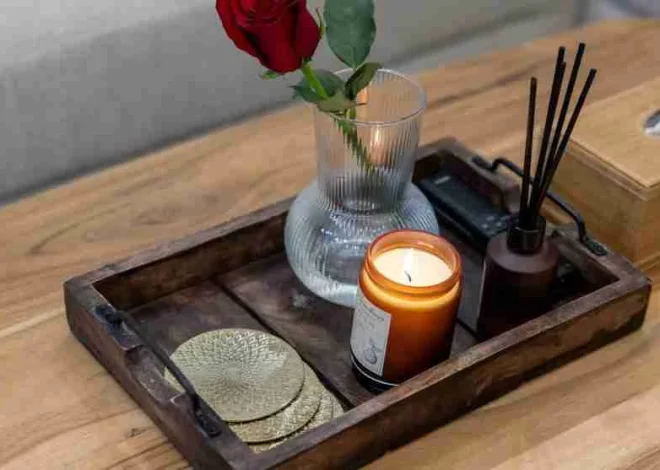
A catch-up zone usually works best when it has clear physical limits. A tray, small basket, or one shelf section often works better than a large open area. The size limit forces the zone to stay selective and stops it from turning into general storage. If the area becomes too large, the system may stop solving clutter and start becoming part of it.
This physical boundary is useful because it gives the household one simple rule. The zone is for a few active daily leftovers, not for every object that needs a home eventually.
How to keep the zone from becoming a dumping spot
The easiest way is to keep its purpose narrow and its review cycle short. The zone should be checked often enough that it remains a temporary catch-up point rather than a holding place for forgotten things. If the same unrelated items keep living there for days, that usually means the zone needs a quick reset so it can return to its original job.
This kind of maintenance does not need to be complicated. It only needs to happen often enough that the space continues helping with today’s clutter rather than collecting yesterday’s.
Why this often improves emotional calm too
Homes often feel lighter when visible clutter stops spreading late in the day. Readers may not consciously track every object left out, but they still feel the pressure of too many unfinished visual signals. A catch-up zone reduces that pressure by giving the house one small place where the day can start gathering itself again before night arrives.
For many households, that is the real benefit. The zone may be tiny, but it gives the home a way to recover before evening feels heavier than it needs to.
Frequently Asked Questions
Q: What is a late-day catch-up zone?
A: A late-day catch-up zone is a small home area where loose daily items are gathered in the later part of the day so they do not continue spreading across the house into the evening.
Q: Why does one small zone help so much?
A: It helps because a few scattered visible items can make the whole room feel unfinished, and gathering them into one controlled spot quickly makes the home feel calmer.
Q: What kinds of items should go there?
A: Small active daily items such as keys, chargers, papers, glasses, notebooks, or a reusable bag usually work best as long as they are tied to real routine use.
Q: How do I stop the zone from becoming clutter itself?
A: Keep it small, use it only for active loose items, and reset it regularly so it stays a catch-up point instead of turning into permanent storage.
Key Takeaway
One tiny late-day catch-up zone can keep the home from feeling behind by evening because it gives scattered daily items one clear place to gather before they turn into larger visible clutter. This helps rooms feel calmer, supports later routines, and reduces the sense that the house is carrying unfinished tasks into the night. For many readers, one of the smartest small home habits is creating one place where the day can catch up with itself before evening takes over.