Why One Small Return-Later Tray Can Make Busy Evenings Feel More Orderly at Home
What a return-later tray actually is
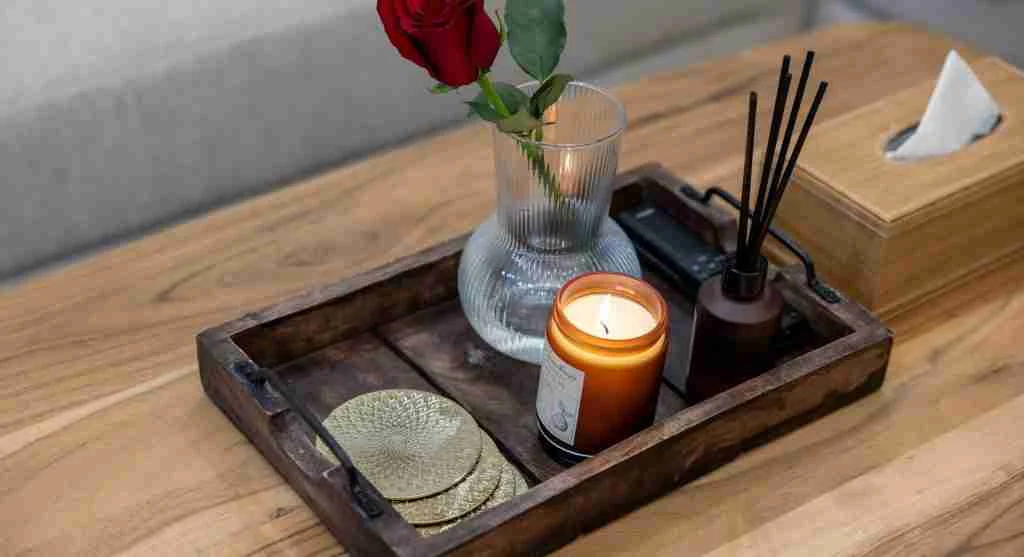
A return-later tray is a small surface used to hold items that belong somewhere else but cannot be returned immediately. These may include glasses, loose papers, a charger, keys, a notebook, one small household object, or another item that still needs one final move. The tray is not meant to be permanent storage. It is a short-term holding point that keeps the house from carrying those loose items in several directions at once.
This matters because many homes do not feel stressful due to one large mess. They feel stressful because of repeated little things left unresolved in visible places. A return-later tray gives those items one controlled pause point instead of letting them continue shaping the whole room.
Why evening clutter feels more distracting than daytime clutter
During the day, readers are often moving quickly enough that small clutter blends into the background. By evening, the pace changes. Rooms are supposed to feel more settled, and that makes loose unfinished items stand out more strongly. A few objects left on visible surfaces can make the whole home feel more unsettled than it really is.
Home organizers often explain that the most irritating clutter is not always the biggest. It is the clutter that still feels active. A return-later tray helps because it stops active loose items from remaining visually active in every room at once.

How one tray changes the feel of the room
Rooms usually seem calmer when the eye can rest. Scattered daily items prevent that because they create several little visual interruptions at once. Once those items are gathered into one tray, the room often feels more organized immediately, even before anything has been fully put away. The home still looks lived in, but it no longer looks as though tasks are sitting unfinished on every surface.
This is one reason small home systems work so well. They may not solve everything, but they remove enough repeated friction to change how the room feels in a noticeable way.
What should go on the tray
The best items for a return-later tray are the ones that clearly belong somewhere else and are likely to move again soon. These may include keys that need to go back to an entry station, a notebook that belongs in another room, a charger that should return to a desk, or small papers that need sorting. The tray works best when the next step for each item is easy to understand.
This keeps the system practical. Once the tray starts holding random clutter with no clear destination, it stops being a return-later tool and starts turning into another messy surface by itself.
Why this works better than stopping to put everything away immediately
Evenings often include cooking, talking, cleaning, resting, or getting ready for the next day. In those moments, stopping to return each small item immediately may not be realistic. A return-later tray offers a middle step. The object no longer remains scattered in the room, but it also does not demand a full organizing response right away.
That makes the system much easier to keep using. It works with real life instead of assuming readers always have the time and energy to complete every tiny task the second it appears.
How this helps later reset routines
Evening resets often feel bigger when small misplaced items are scattered across different surfaces. A return-later tray shrinks that problem by collecting those items before the main reset begins. The reader can then decide whether to handle the tray at once, leave it for the next morning, or move a few items when convenient. Either way, the clutter is now grouped rather than spread.
This usually makes end-of-day routines feel much more manageable. Instead of dealing with loose tasks in every room, the reader is dealing with one contained group that already makes sense visually.
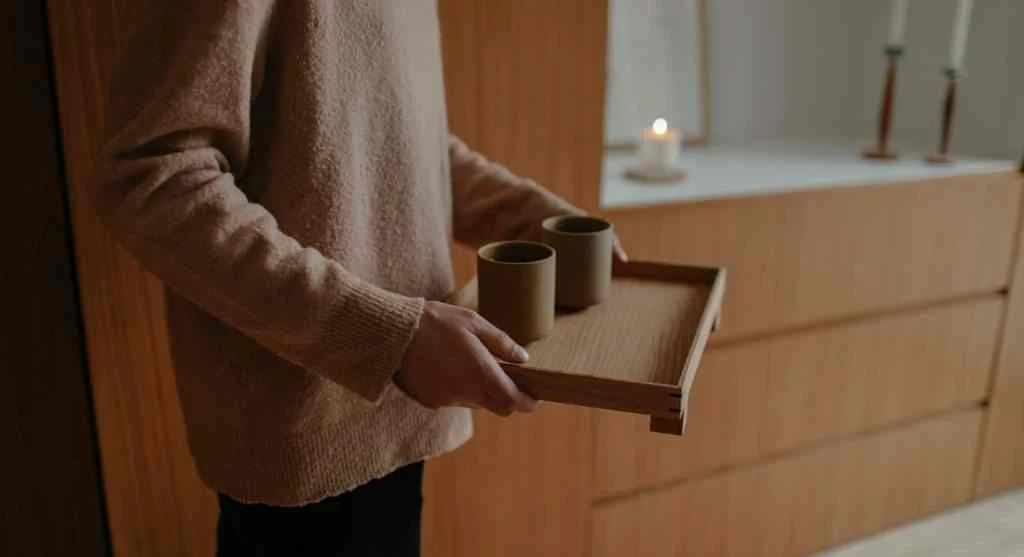
Why the tray should stay small
A smaller tray usually works better than a larger one because it keeps the purpose clear. A large tray can tempt readers to treat it like general overflow space, which weakens the system quickly. A smaller one creates natural limits. It encourages only the most active misplaced items to land there, which helps the tray stay useful instead of becoming a hidden pile.
This size limit is part of what gives the system strength. The tray should solve repeated small disorder, not become a permanent home for unfinished household decisions.
How to stop the tray from becoming permanent clutter
The easiest way is to connect it to a repeatable check time, such as after dinner, before bed, or early the next morning. The tray works best when readers know it is temporary. If the same objects keep sitting there for days, the tray usually needs a quick reset so it can go back to helping rather than holding onto old clutter.
This does not require a major organizing session. It only requires enough consistency that the tray remains a moving point in the home instead of becoming one more surface where unresolved items quietly collect.
Why this can improve emotional calm too
Homes often feel mentally heavier when loose items remain visible in several places at once. Even if readers are not consciously paying attention to every object, the eye still keeps noticing unfinished motion in the room. A return-later tray reduces that mental pressure by giving the day’s loose ends one calmer place to wait.
For many readers, that is the real value of the habit. The tray itself is small, but it helps the whole home feel more orderly at a time of day when calm usually matters most.
Frequently Asked Questions
Q: What is a return-later tray?
A: A return-later tray is a small surface that holds items needing to be put back somewhere else, so they do not remain scattered across the home in the meantime.
Q: Why does this help busy evenings feel more orderly?
A: It helps because it gathers loose misplaced items into one visible place, which reduces scattered clutter and makes rooms feel calmer right away.
Q: What types of items belong on the tray?
A: Small items such as glasses, chargers, loose papers, keys, notebooks, or objects that clearly belong in another room usually work best.
Q: How do I keep the tray from turning into another clutter spot?
A: Keep it small, use it only for items with a clear destination, and clear it regularly so it stays a short-term return point instead of becoming storage.
Key Takeaway
One small return-later tray can make busy evenings feel more orderly at home because it gathers misplaced daily items into one controlled stop instead of leaving them scattered across several rooms. This reduces visual clutter, supports smoother evening resets, and helps the home feel calmer without requiring immediate full cleanup. For many readers, one of the easiest ways to create more evening order is giving loose items one clear place to wait before they go back.