
Why One Small Outfit Pairing Shelf Can Make Everyday Dressing Feel Faster and Less Frustrating
What an outfit pairing shelf actually is
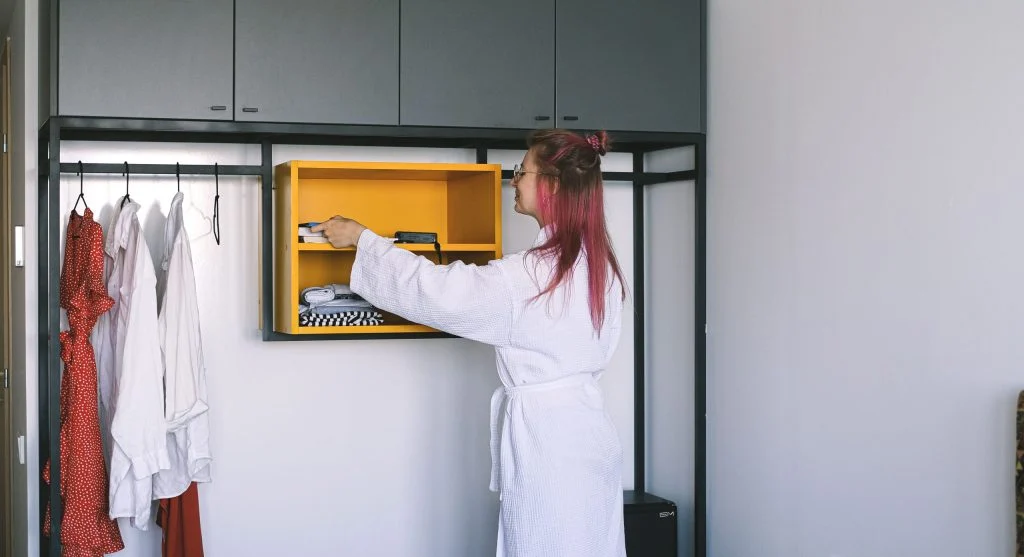
An outfit pairing shelf is a small active storage area where a few clothing pieces that regularly support one another are grouped together on purpose. This may include a folded trouser, two or three repeat-use tops, one dependable layer, and perhaps one accessory or bag that frequently completes the same outfit direction. The point is not building full outfits in advance every day. The point is making the strongest clothing pairings easier to see in one glance.
This matters because daily dressing often depends less on having many choices and more on being able to recognize the best useful combinations quickly. A pairing shelf helps the closet show those combinations more clearly.
Why wardrobes often feel harder to use than they should
Closets are usually organized by category first. Shirts go in one place, trousers in another, layers in another, and accessories somewhere else. That system makes sense for storage, but it does not always help with real dressing. Readers usually do not wear clothing by category. They wear clothing by relationship. They need to know which top helps which bottom, which layer improves which base outfit, and which finishing piece makes everything feel complete.
Wardrobe planners often explain that closets become easier when storage starts reflecting use. A pairing shelf does exactly that. It brings together the pieces that keep solving the same outfit problems instead of separating them only because they belong to different categories.
How a pairing shelf reduces daily hesitation
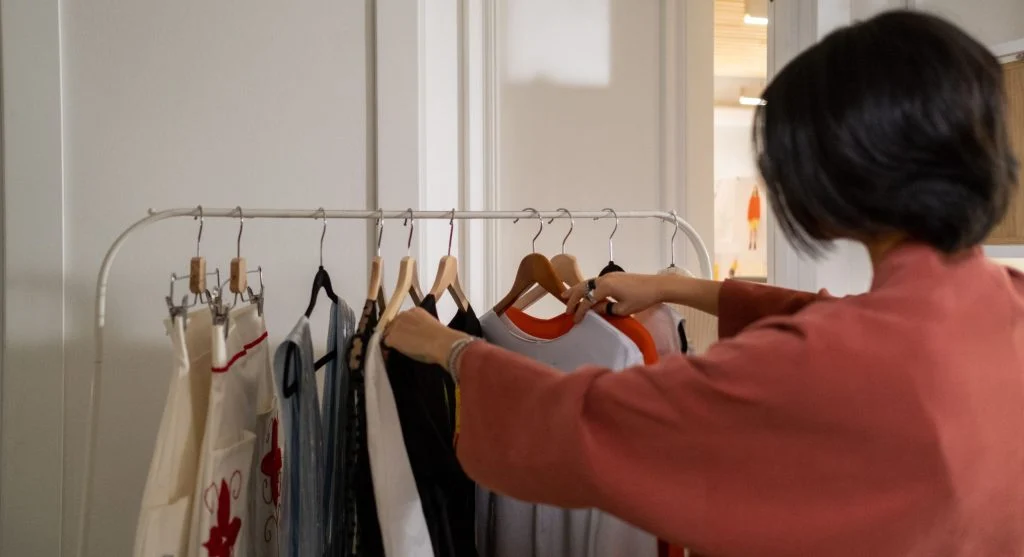
Morning hesitation often begins when the reader has one good piece in mind but cannot immediately see what should go with it. A pairing shelf reduces that pause because the most likely partners are already nearby. The wardrobe begins suggesting answers more clearly. Instead of holding one top and mentally searching through the rest of the closet, the reader can start building from a group that already has a strong record of working together.
This usually makes dressing feel faster, but it also makes it feel calmer. The closet stops behaving like a puzzle and starts behaving more like a practical tool.
Why this works especially well for repeated outfit formulas
Most readers rely on a few successful outfit formulas whether they realize it or not. One trouser shape may work with several tops. One dress may depend on the same two layers. One shoe line may complete a whole group of weekday outfits. A pairing shelf works well because it supports those repeated formulas instead of forcing the reader to rebuild them from memory each day.
This is one reason the shelf often feels so useful so quickly. It reflects how the wardrobe is already being used in real life rather than how it looks in theory.
What kinds of pieces belong there
The best pairing-shelf pieces are the ones that keep solving real daily outfit needs. These are usually not the most dramatic clothes in the wardrobe. They are the ones readers actually trust on ordinary days. A dependable trouser, one reliable shirt, one knit or blouse, one layer, and perhaps one bag or belt that repeats often may all belong there if they naturally support one another.
This is what keeps the shelf practical. It should reflect the strongest repeated relationships in the closet, not just the prettiest pieces placed together for appearance alone.
Why a small shelf usually works better than a larger one
Readers sometimes assume that a larger active shelf will offer more help because it includes more possibilities. In practice, a smaller shelf often works better because it preserves clarity. Too many pieces on the same shelf can recreate the same indecision the system was supposed to reduce. A focused group of five to eight truly useful items usually does more practical work than a larger shelf full of mixed options.
That smaller scale is also what makes the habit easier to maintain. Readers can refresh it more quickly when the season changes or when another group of clothes starts doing more of the daily work.

How this can reveal what the wardrobe really depends on
Once a pairing shelf is built, readers often notice which pieces are doing the most work much more clearly. If one layer keeps appearing on the shelf, that usually means it is a strong bridge piece. If one bottom keeps returning, it may be the true anchor of the wardrobe. This kind of visibility often helps readers understand their closet better because the shelf shows which relationships are real, not just which items are individually attractive.
That understanding can improve more than daily dressing. It can also shape smarter shopping, better closet placement, and more honest decisions about what belongs in active use.
Why this helps busy mornings especially well
Busy mornings rarely reward unlimited choice. They reward visibility and trust. A pairing shelf helps because it keeps a small set of proven clothing relationships ready before the day becomes crowded. The reader does not have to search the whole wardrobe for outfit logic. The strongest logic is already sitting in one accessible place.
This can reduce more stress than readers expect. One shelf may seem small, but when it removes repeated outfit guesswork, it can change the whole emotional tone of getting dressed.
How often the shelf should change
The pairing shelf does not need to change constantly. It only needs to reflect what is actually working now. Some readers may refresh it weekly based on recent outfits. Others may shift it more slowly with the weather or with schedule changes. The important thing is that it stays connected to real current use instead of becoming a static display that no longer helps daily life.
This is what keeps the shelf from turning into decoration. It remains a working part of the wardrobe as long as it keeps answering the actual dressing needs of the moment.
Why this can make the closet feel calmer overall
Closets often feel overwhelming when every piece seems equally available but not equally helpful. A pairing shelf reduces that pressure by giving the wardrobe one active zone built around useful relationships. The rest of the closet still exists, but it no longer has to carry all the responsibility at once. The strongest daily options become easier to trust because they are presented more clearly.
For many readers, this is what makes the shelf so effective. It does not shrink the wardrobe. It simply gives its best daily logic a more visible place to live.
Frequently Asked Questions
Q: What is an outfit pairing shelf?
A: An outfit pairing shelf is a small closet area where a few clothing pieces that regularly work well together are grouped to make daily dressing faster and easier.
Q: Why does a pairing shelf help so much?
A: It helps because it makes strong clothing relationships visible, reduces outfit hesitation, and lets the wardrobe suggest useful combinations more quickly.
Q: What should go on the pairing shelf?
A: The best pieces are the tops, bottoms, layers, and sometimes accessories that repeatedly support each other in real everyday outfits.
Q: How do I keep the shelf from becoming cluttered?
A: Keep it small, use only repeat-use pieces, and refresh it when your current most-worn combinations change so the shelf stays practical and clear.
Key Takeaway
One small outfit pairing shelf can make everyday dressing feel faster and less frustrating because it gives the wardrobe’s strongest clothing relationships one visible, easy-to-use home. This reduces hesitation, supports repeat outfit success, and helps the closet behave more like a practical dressing tool. For many readers, the easiest way to improve wardrobe flow is not adding more options, but making the best pairings easier to see.

Related Posts

Why One Small Second-Choice Outfit Set Can Make Busy Mornings Feel Less Risky and More Manageable

Why One Small Always-Works Outfit Slot Can Make Daily Dressing Feel Faster and More Reliable