Why One Small Next-Outfit Hook Can Make Everyday Dressing Feel More Predictable and Less Stressful
What a next-outfit hook actually is
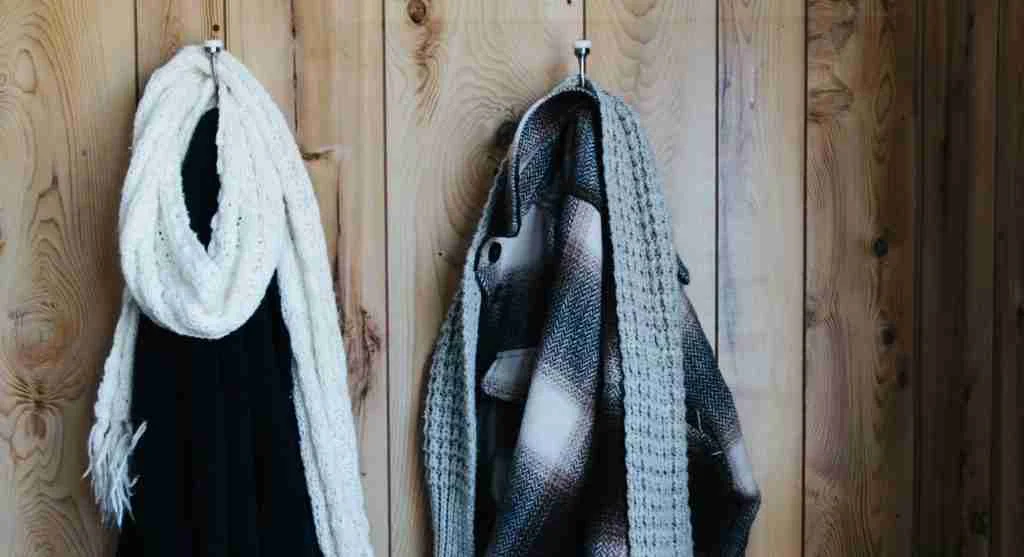
A next-outfit hook is a small dedicated spot used to hold the clothing most likely to be worn next. This may be one hook on a wall, one open hanger space, the end of a clothing rail, or one visible dressing spot near the closet. It usually holds one top, one light layer, or another piece that helps the next outfit begin with less searching and less hesitation.
This matters because many outfit decisions become easier once the first step is visible. The reader does not have to fully commit to every detail in advance. The hook only needs to hold the strongest starting pieces so the next morning begins with support instead of uncertainty.
Why mornings often repeat the same outfit thinking
Readers frequently make similar outfit decisions again and again without realizing it. The same top may keep working with the same bottom shape. The same overshirt may keep helping when the weather feels uncertain. The same bag or shoe mood may return during busy weekdays. Yet because those relationships stay inside the wider closet, the thinking still has to be repeated every morning.
Wardrobe planners often explain that closets become easier when repeated success becomes more visible. A next-outfit hook helps by turning likely outfit logic into something the reader can see before the rush of the day begins.
How one visible hook reduces decision fatigue
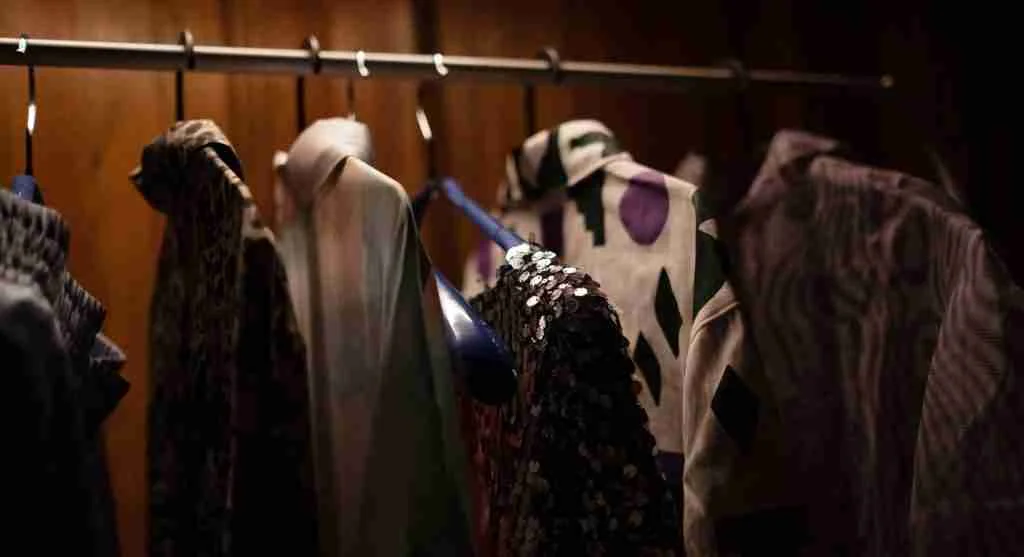
Decision fatigue often begins before readers leave the bedroom. Even when the wardrobe is good, the act of choosing from everything at once can feel heavier than it should. A next-outfit hook reduces that pressure because it narrows the first decision. Instead of asking the whole closet what to wear, the reader begins with one smaller answer that already has a strong chance of working.
This is often enough to change the mood of the whole process. The outfit no longer feels like a fresh problem every morning. It starts feeling like something the wardrobe is already helping solve.
Why this works well without becoming rigid
Some readers avoid any kind of planning because they think it will make dressing feel too fixed. A next-outfit hook usually avoids that problem because it is flexible. The reader can still change direction in the morning if the weather shifts, the mood changes, or another piece feels better. The hook is not a rule. It is simply a better starting point.
This is one reason the system feels realistic. It supports real daily life without demanding perfect certainty the night before. It gives the outfit momentum, not pressure.
What usually belongs on the hook
The strongest items for a next-outfit hook are usually the ones that help the next look begin. This may be one shirt, blouse, or knit that already works with likely bottoms. It may also include one cardigan, overshirt, or soft blazer if the day may need a layer. In some wardrobes, the hook may also support a bag or scarf if that item regularly helps complete the same type of outfit.
This keeps the system useful because it focuses on the clothing most likely to save time. The hook does not need to hold a whole fashion idea. It only needs to hold enough of the next outfit to reduce unnecessary morning searching.
Why one hook often works better than a bigger planning zone
A larger planning area can be helpful in some homes, but it can also become another place where too many choices gather. One small hook often works better because it keeps the goal simple. The reader is not planning a wardrobe strategy. The reader is helping tomorrow morning start with one clearer answer.
This smaller scale is usually what makes the habit repeatable. It fits real life. It asks for only a minute or two of thought, yet it can still remove a surprising amount of stress from the next day.
How this helps reveal the wardrobe’s real workers
Once readers begin using a next-outfit hook regularly, the strongest repeat pieces often become much more obvious. The same top may keep earning a place there. The same layer may keep appearing when the week gets busy. This visibility helps because it shows which clothes are really supporting daily life rather than only looking appealing in theory.
That kind of pattern often improves the whole closet over time. Readers begin organizing, shopping, and dressing around the pieces that actually help instead of around assumptions about what should help.
Why this is especially useful in changing weather
Weather changes create some of the biggest morning delays because the base outfit may feel mostly right, but one extra piece still needs deciding. A next-outfit hook helps because it can hold that likely layer in advance. The reader no longer has to reopen the whole closet to solve the same “just in case” question every day.
This can make the wardrobe feel much more practical. The next outfit is not only visually prepared. It is also slightly more ready for real conditions outside the house.
How to know the system is working
A strong sign is that the first part of getting dressed feels quicker and calmer. Another is that the same reliable pieces begin appearing on the hook because they repeatedly make mornings easier. Readers may also notice fewer full-closet searches and less frustration about where to begin. These are usually signs that the hook is doing exactly what it should.
The best version of the system often feels small but powerful. It does not transform the whole wardrobe at once. It simply improves the moment when the day begins and the closet is asked to help quickly.
Why this can make the whole wardrobe feel more supportive
Closets often feel stressful when every item seems equally possible but not equally helpful. A next-outfit hook changes that by giving the most likely helpful pieces a visible advantage. The reader can still use the rest of the wardrobe, but the first step no longer comes from total uncertainty. That usually makes the whole closet feel less random and more supportive.
For many readers, this is the real value of the habit. The wardrobe begins acting less like storage and more like a practical partner in everyday life.
Frequently Asked Questions
Q: What is a next-outfit hook?
A: A next-outfit hook is a small visible spot used to hold the clothing most likely to be worn next so getting dressed begins more easily.
Q: Why does one hook help so much with daily dressing?
A: It helps because it reduces searching and decision fatigue by giving the next outfit a clearer starting point before the morning rush begins.
Q: What should go on the hook?
A: The best items are usually one likely top and sometimes one light layer or accessory that repeatedly helps the next outfit come together faster.
Q: Does using a next-outfit hook make dressing too rigid?
A: No. It only creates a starting point. Readers can still change the outfit in the morning, but they no longer have to begin from total uncertainty.
Key Takeaway
One small next-outfit hook can make everyday dressing feel more predictable and less stressful because it gives the next look a visible starting point before the day begins. This reduces closet friction, supports quicker outfit building, and helps the most dependable pieces do their work more clearly. For many readers, easier style begins when tomorrow’s outfit stops living only in the mind and starts waiting in one simple visible spot.

Related Posts

Why One Small Second-Choice Outfit Set Can Make Busy Mornings Feel Less Risky and More Manageable
Why One Small Always-Works Outfit Slot Can Make Daily Dressing Feel Faster and More Reliable