

Why One Small Layer-Ready Section Can Make Everyday Outfits Easier to Finish in Changing Weather
What a layer-ready section actually is
A layer-ready section is a small active closet zone where the most useful light-to-medium layers are kept together for quick access. This may include a cardigan, overshirt, soft blazer, light jacket, or another piece that regularly helps everyday outfits handle changing temperatures. The goal is not full outerwear storage. The goal is making the most practical finishing layers easier to see and use.
This matters because changing-weather dressing often depends on speed and clarity. Readers usually do not need dozens of options. They need the few options that repeatedly work with their daily clothes and feel right in ordinary life.
Why changing weather creates so much outfit hesitation
Unstable temperatures create uncertainty. A reader may know what base outfit feels right, yet still hesitate because the day seems likely to change. That hesitation grows when the useful layers are mixed with heavier outerwear, occasional jackets, or low-use pieces that do not really support the rest of the wardrobe. The right answer may be somewhere in the closet, but it is not visible enough to help quickly.
Wardrobe planners often explain that outfit stress usually rises when the closet hides the most useful answer among too many less relevant ones. A layer-ready section fixes that by moving the best answers closer to the surface.
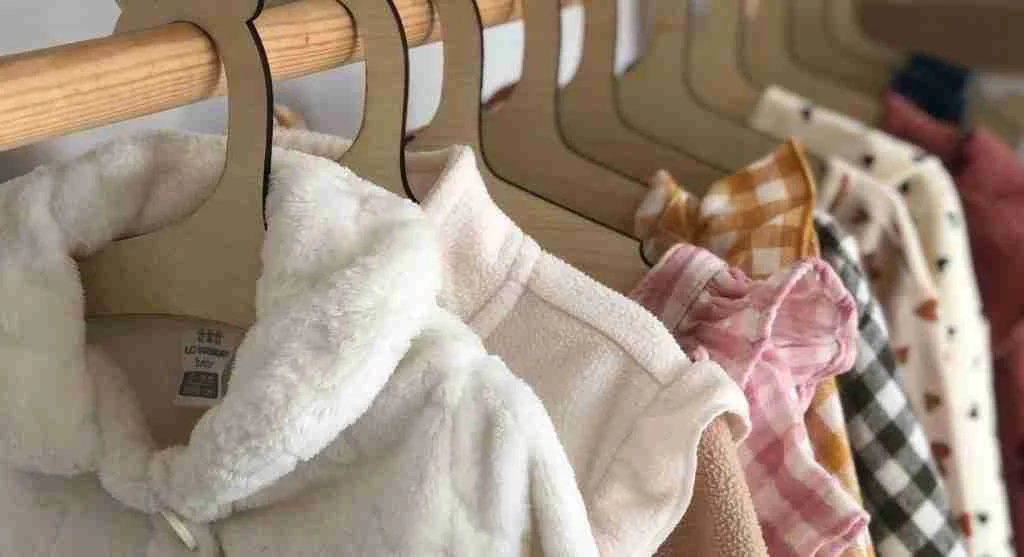
How this section makes outfit finishing faster
Many outfits are mostly complete before the last layer question appears. The top, lower half, and shoes may already make sense, but the reader still needs one piece that can handle changing conditions. A layer-ready section speeds up that step because the most likely solutions are already grouped together. Instead of reopening the whole closet mentally, the reader can finish from a smaller and more dependable set of choices.
This often reduces more frustration than expected. The wardrobe begins feeling more cooperative because it no longer asks the reader to search the entire closet for a problem it solves regularly.
Why the most useful layers are usually not the heaviest ones
In changing weather, the hardest-working layers are often not full coats or dramatic jackets. They are the in-between pieces that can go over a simple outfit without making it feel too warm, too formal, or too bulky. A soft blazer, fine cardigan, overshirt, or light structured layer often does more real work than heavier pieces because it can move through different parts of the day more easily.
This is one reason a small active section works so well. It highlights the pieces that solve the most common temperature problem instead of treating every kind of outerwear as equally relevant every morning.
What belongs in the section
The best pieces for a layer-ready section are the ones that already prove useful across several outfits. These often include layers that work with more than one trouser shape, more than one top category, and more than one shoe mood. The exact pieces depend on the reader’s wardrobe, but they should all share one quality: they repeatedly help base outfits become more wearable when the weather changes a little.
This is what keeps the system practical. Once the section fills with difficult layers, trend-only pieces, or clothing that rarely helps in real life, it loses the clarity that made it useful in the first place.
Why a smaller section works better than a large one
A smaller layer-ready area usually works better because it reduces noise. If too many layers are treated as active solutions, the reader may face the same indecision all over again. A focused section of proven pieces is usually enough to cover the most common changing-weather situations without creating too many new choices.
This smaller size also makes the section easier to update. Readers can refresh it as seasons shift or daily needs change without turning the whole closet into a project.
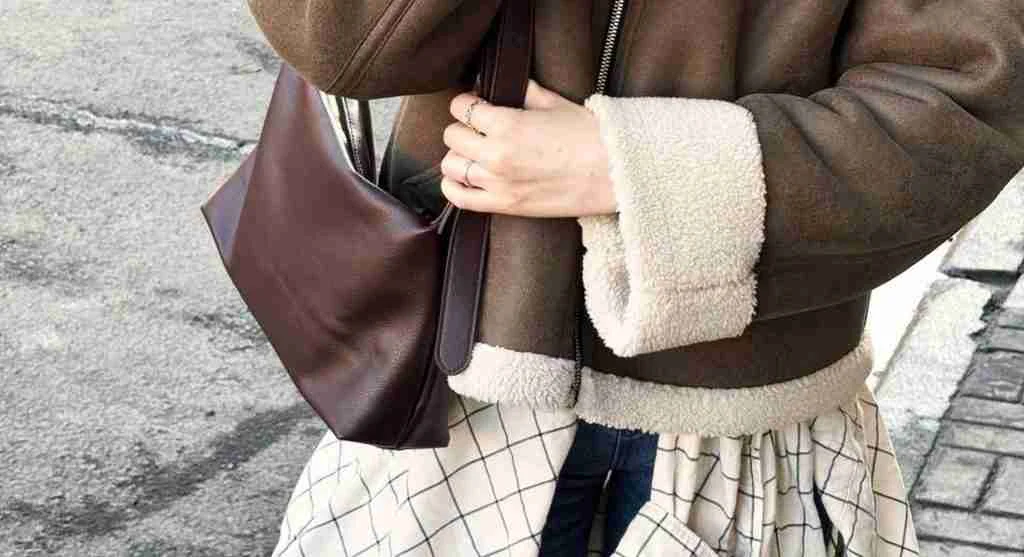
How this helps the wardrobe feel more flexible
One of the best effects of a layer-ready section is that it helps the wardrobe feel less fragile. A basic outfit no longer depends on the weather staying exactly as expected. The reader knows there is a small group of layers ready to help if conditions shift. That usually makes the closet feel more flexible and more useful across the week.
This matters because one of the biggest goals in daily style is not creating perfect outfits for ideal conditions. It is creating outfits that can survive real life without becoming stressful halfway through the day.
Why this also improves shopping decisions
Once readers gather their best everyday layers into one place, they often start seeing their real needs more clearly. They may realize they already have enough similar cardigans but need one better overshirt. They may notice one blazer shape keeps doing more work than expected, or that a certain jacket never belongs in the active section at all. This kind of clarity often leads to smarter shopping because the wardrobe is finally showing what actually helps.
That makes the section useful beyond getting dressed. It also teaches the reader which layering pieces truly support everyday life and which ones only look promising in theory.
How to know the section is working well
A strong sign is that the reader reaches for one of the pieces quickly and with less second-guessing when the weather feels uncertain. Another sign is that the same few layers keep proving useful across several outfit types without creating new styling problems. The section is working when it feels like a reliable helper, not a display of possibilities.
That kind of trust often changes the whole tone of getting dressed. The closet begins feeling less like a place of constant adjustment and more like a system already prepared for the day to shift a little.
Frequently Asked Questions
Q: What is a layer-ready section in a closet?
A: A layer-ready section is a small closet area that holds the most useful light and medium layers for quick access when everyday outfits need help in changing weather.
Q: Why does it help so much with changing-weather dressing?
A: It helps because it keeps the most practical solutions visible and easy to reach, which reduces hesitation when the day’s temperature feels uncertain.
Q: What kinds of layers should go there?
A: The best pieces are the cardigans, overshirts, blazers, or light jackets that repeatedly work with several base outfits and feel useful across normal daily routines.
Q: How do I stop the section from becoming cluttered?
A: Keep it small, use only proven current-use layers, and refresh it as weather needs change so it stays practical instead of turning into general outerwear storage.
Key Takeaway
One small layer-ready section can make everyday outfits easier to finish in changing weather because it keeps the most useful temperature-adjusting pieces visible and ready when the day feels uncertain. This reduces outfit hesitation, speeds up dressing, and makes the closet feel more flexible in real life. For many readers, easier daily style begins when the best layers stop hiding among everything else and start living where they can actually help.

Related Posts

Why One Small Second-Choice Outfit Set Can Make Busy Mornings Feel Less Risky and More Manageable

Why One Small Always-Works Outfit Slot Can Make Daily Dressing Feel Faster and More Reliable