Why One Clear Visual Weight Pattern Can Make Everyday Outfits Feel More Balanced and Easier to Trust
Visual weight is the sense of heaviness or lightness different parts of an outfit create. It can come from fabric, color depth, structure, shoe shape, texture, or silhouette. When that weight is distributed in a clearer way, everyday outfits often feel more balanced and much easier to trust. Readers do not have to understand the term to feel the result. They simply notice that the outfit seems calmer and more complete.
What a visual weight pattern actually means
A visual weight pattern is the way heaviness and lightness are arranged through an outfit. Some looks place more weight in the lower half. Others carry it through the upper half. Some distribute it evenly from top to bottom. The important thing is not that every outfit must be perfectly symmetrical. The important thing is that the weight should feel intentional instead of accidental.
This matters because the eye is always judging balance. Even when readers are not consciously thinking about it, they still respond to whether the outfit feels grounded, top-heavy, bottom-heavy, or scattered. A clearer pattern helps the outfit read as one idea instead of several unrelated pieces.
Why simple outfits reveal weight problems faster
Basic daily outfits usually rely on proportion more than on obvious statement details. That means weight imbalances become easier to feel. A very heavy shoe under a very light upper half, or a very strong jacket above a quiet lower half, can make the whole outfit seem less steady. Nothing may be technically wrong, but the look can still feel slightly off.
Stylists often explain that simple outfits work best when the supporting details are doing their job well. Weight distribution is one of those details. When it is handled clearly, ordinary clothes often look much stronger than expected.
How shoes often control the weight more than expected
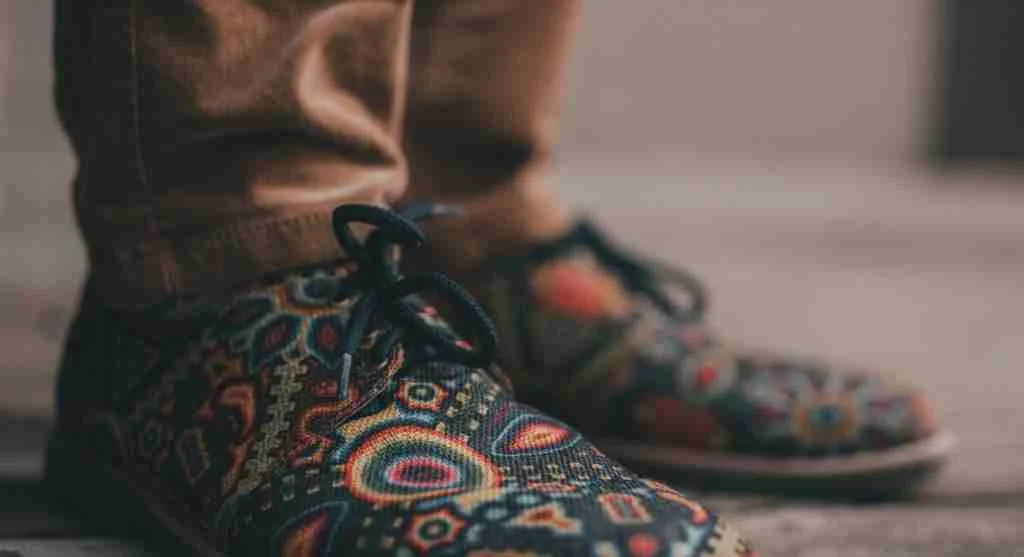
Shoes are one of the strongest sources of visual weight in an outfit. A chunky sole, darker finish, heavier shape, or more structured design can pull attention strongly downward. That is not always a problem, but it usually needs support from the rest of the outfit. If the clothing above the shoe stays too soft or visually light, the outfit may begin feeling bottom-heavy.
This is one reason dependable shoe shapes matter so much. The right shoe does not only match the outfit. It also helps the full look land with the right amount of visual weight at the bottom.
Why upper-body weight matters too
The same imbalance can happen at the top. A very strong collar, stiff blazer, dark heavy knit, or large textured layer can make the upper half carry too much of the outfit’s visual force. If the rest of the look stays too quiet, the clothing may feel top-loaded rather than balanced. Readers often experience this as tension around the shoulders and chest area, even if they do not describe it that way.
A better visual weight pattern usually means the upper half leads clearly without overpowering everything below it. The strongest looks often create support through more than one part of the outfit rather than letting one area dominate completely.
How fabric and texture influence weight
Visual weight does not come only from shape. Fabric and texture influence it strongly too. A dense matte knit feels heavier than a light woven shirt. A textured overshirt carries more presence than a smooth simple tee. A polished leather bag can add more weight than a softer fabric one. These differences matter because they quietly affect how grounded or unbalanced the outfit seems.
This is why some outfits improve without any major shape change. The pieces may already be fine, but the textures need to support one clearer weight pattern instead of sending mixed signals.
Why color depth changes the balance as well
Darker colors often carry more visual weight than lighter ones. A dark trouser and black shoe can create a strong lower half very quickly. A deep outer layer can anchor the upper body in the same way. This does not mean readers should avoid darker tones. It simply means those tones should be distributed thoughtfully so the outfit feels stable rather than lopsided.
That is why color placement often matters more than color alone. The same pieces can feel more balanced or less balanced depending on where the depth is sitting inside the silhouette.
How a clear pattern makes outfits easier to repeat
Readers usually trust outfits more when they understand why those outfits work. A clear weight pattern helps because it creates logic the wardrobe can repeat. One dependable shoe shape may anchor several looks. One soft structured layer may bring enough presence to balance lighter basics. One calmer lower half may support more active upper pieces. Once the pattern becomes visible, the wardrobe starts feeling less random.
This often improves repeat wear. The outfit no longer depends on luck. It depends on a balance readers can recognize and rebuild with other pieces later.
Why this matters more than adding more detail
When outfits feel weak, readers often try to fix them with more accessories, more styling, or one more statement piece. Sometimes the real issue is simpler. The existing clothes may just need a better distribution of weight. Adding another noticeable piece can actually make the problem worse if the original pattern was already unbalanced.
This is one reason polished outfits often look quieter than expected. They are not always more interesting because they contain more. They often feel stronger because the parts already there are carrying their weight more evenly.
How to tell when the pattern is not working
One sign is that the eye keeps landing too hard in one place, such as the shoes, neckline, or outer layer. Another is that one part of the outfit seems much stronger than the rest, making the other pieces feel underbuilt. Readers may also notice that the outfit improves quickly after one change in shoe, fabric, or color depth. These are often clues that the weight pattern needed better balance.
In those moments, the answer may not be a new outfit. It may simply be a better arrangement of heaviness and lightness through the one already being worn.
Why balanced visual weight often looks more expensive
Outfits with a clearer weight pattern usually seem more polished because they look more resolved. The eye can travel through them naturally. Nothing feels too heavy for its surroundings, and nothing feels too weak to support the rest. This often creates a more refined impression even when the clothing itself is simple and practical.
For many readers, this is one of the most useful style basics to understand. Stronger everyday outfits often come not from louder pieces, but from a better pattern of visual balance running through the whole look.
Frequently Asked Questions
Q: What is a visual weight pattern in an outfit?
A: It is the way heaviness and lightness are arranged through the clothing, such as through shoes, fabric, structure, color depth, and texture.
Q: Why does visual weight matter in everyday outfits?
A: It matters because the eye responds to balance quickly, and outfits usually look stronger when their heavier and lighter parts feel intentional rather than uneven.
Q: What usually creates too much visual weight?
A: Chunky shoes, dark heavy colors, dense fabrics, strong outer layers, and bold texture are common sources of visual weight when they are not balanced by the rest of the look.
Q: How can I fix an outfit with uneven visual weight?
A: Try adjusting the dominant area through a softer shoe, lighter layer, calmer texture, or better distribution of darker tones so the outfit feels more even overall.
Key Takeaway
One clear visual weight pattern can make everyday outfits feel more balanced and easier to trust because it helps the heavier and lighter parts of the outfit support one another instead of competing. When shoes, fabrics, colors, and structure work together more clearly, simple looks often feel calmer and more complete. For many readers, better daily style begins when the outfit stops leaning too hard in one direction and starts carrying itself more evenly.

Related Posts
Why One Clear Mid-Outfit Shape Can Make Everyday Looks Feel More Controlled Without Feeling Too Styled
Why One Clear Start-and-Finish Shape Can Make Everyday Outfits Feel More Complete Without Extra Styling