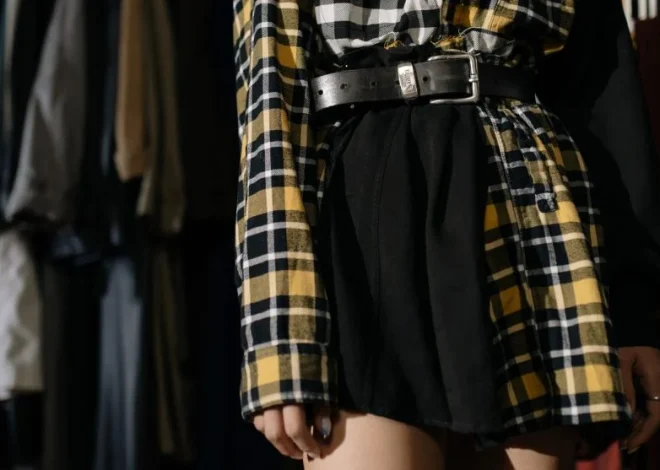
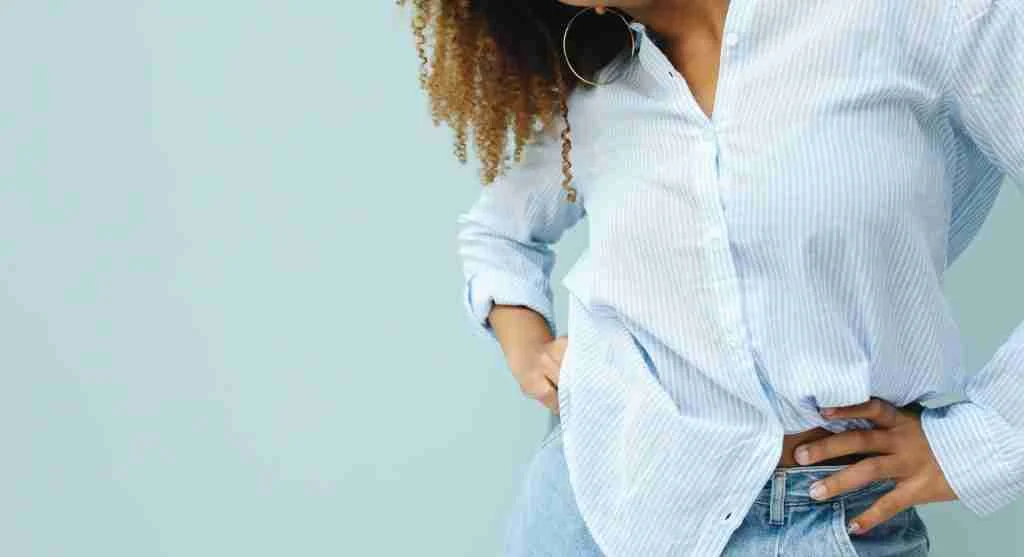
Why One Clear Start-and-Finish Shape Can Make Everyday Outfits Feel More Complete Without Extra Styling
What a start-and-finish shape actually means
A start-and-finish shape is the relationship between how an outfit begins visually at the upper body and how it ends at the lower body and footwear. The shoulders, neckline, sleeve line, waist area, lower-half shape, hem, and shoes all contribute to this effect. The outfit feels stronger when those parts behave as one connected silhouette instead of acting like unrelated sections placed together.
This matters because the eye reads clothing as a full shape before it notices many smaller details. If the top of the outfit promises one direction but the bottom finishes in a very different way, the whole look can seem less settled than it should.
Why some outfits feel unfinished even when the pieces are good
Readers often assume an unfinished outfit needs another accessory or stronger trend detail, but the real problem is often structural. A clean upper half may sit above a lower half that changes the mood too sharply. A soft top may end in a shoe that feels too abrupt. A useful layer may create a good beginning for the look without giving the outfit enough support through the ending.
Stylists often explain that a polished outfit usually has internal agreement. This does not mean every piece must match exactly. It means the beginning and ending of the outfit should feel as though they belong to the same overall idea.

How the upper body sets the opening shape
The upper half usually introduces the outfit first. Shoulder line, neckline, sleeve shape, and upper-body structure all help define how the look begins. A softer start often suggests an easier overall silhouette, while a cleaner or more structured upper half suggests a more controlled finish. Neither is automatically better. The important thing is that the lower half should support whatever direction the top of the outfit is creating.
This is why upper-body details matter more than many readers expect. They do not only affect the first impression. They also set the visual promise the rest of the outfit needs to keep.
Why the middle of the outfit keeps the promise moving
The center of the outfit often decides whether the beginning and ending can connect smoothly. If the middle is too blurred, too heavy, or too visually uncertain, the upper half may never reach the lower half in a satisfying way. A clearer waist area, a better top length, or a calmer layer opening often helps because it gives the silhouette a more readable route downward.
This does not mean every outfit needs strong waist emphasis. It means the center should help the look continue rather than interrupting the shape that has already started.
How the lower half completes the direction
Trousers, skirts, and dresses carry the outfit toward its final form. If they support the upper-body mood well, the full look usually feels more complete. A calm straight trouser can finish a clean top naturally. A softer lower half can support a similarly easy upper shape. But if the lower section changes the outfit too suddenly, the silhouette may start feeling divided.
This is one reason dependable bottoms matter so much in daily wardrobes. They do not only fit well. They help complete the visual idea the upper half has already started.
Why shoes decide whether the outfit lands well
Shoes are the final word in the outfit’s shape. They can support the ending quietly, or they can change the whole tone at the last second. A supportive shoe usually helps the look land in a way that feels related to everything above it. A disconnected shoe may make the outfit seem as though it has stopped in the wrong place.
This is why footwear matters so much in simple dressing. The shoe does not only complete the outfit practically. It also decides whether the silhouette ends in a way that feels intentional.

Why this matters especially in simple wardrobes
Basic wardrobes often depend on proportion, shape, and balance more than on obvious statement pieces. That means the start and finish of the outfit become easier to notice. When the silhouette opens and closes in a connected way, even plain clothes often seem much more polished. When the relationship is weaker, the outfit may feel “almost right” without ever fully settling.
This is one reason simple outfits can look so strong when handled well. Their success often comes from better structure rather than from more decoration.
How texture and fabric can support the full shape
Fabric and texture help connect the beginning and ending of the silhouette too. A soft upper half often feels more complete with fabrics below that support the same ease. A cleaner, firmer top may work better with a lower half and shoe that carry enough structure to continue that mood. This does not mean every surface must match. It means they should support the same shape story from first glance to final line.
This is why some outfits improve after a texture change rather than a full outfit change. The silhouette may already be good, but the materials need to help carry the same message from top to bottom.
How to tell when the outfit is starting and ending differently
One sign is that the upper half feels stronger than the rest, or the shoes feel like they belong to another version of the look. Another is that the outfit seems fine piece by piece, but the whole result never fully settles as one visual idea. Readers may also notice that changing only the shoe or only the top suddenly improves everything. These are often clues that the beginning and ending of the outfit were not working together closely enough.
In those moments, the answer is often not more clothing. It is a better relationship between the shape that begins the look and the shape that finishes it.
Why a clearer start-and-finish shape often looks more expensive
Outfits with a more connected beginning and ending often appear more polished because they feel more resolved. The eye understands the silhouette quickly, which makes the clothing seem deliberate rather than accidental. This is true even when the outfit is simple and practical. A stronger full-shape relationship can often look more refined than many added details.
For many readers, this is one of the most useful style basics to notice. Better daily dressing often begins when the outfit stops feeling like separate parts and starts behaving like one complete shape.
Frequently Asked Questions
Q: What is a start-and-finish shape in an outfit?
A: It is the relationship between how the outfit begins visually at the upper body and how it ends through the lower half and shoes.
Q: Why does a clear start-and-finish shape make outfits feel more complete?
A: It makes outfits feel more complete because the beginning and ending of the silhouette support one another, helping the whole look read as one connected idea.
Q: Which parts of the outfit affect this most?
A: The shoulder line, neckline, waist area, lower-half shape, hem, and shoes all strongly affect whether the outfit starts and finishes in a connected way.
Q: How can I improve this shape quickly?
A: Choose a lower half and shoes that support the mood and structure of the top, and make sure the middle of the outfit helps the eye move smoothly between them.
Key Takeaway
One clear start-and-finish shape can make everyday outfits feel more complete without extra styling because it helps the upper half, middle, lower half, and shoes work as one connected silhouette. When the outfit begins and ends in a related way, simple clothing often looks calmer, more polished, and much easier to trust. For many readers, stronger daily style begins when the outfit stops feeling separate and starts feeling whole.

Related Posts
Why One Clear Mid-Outfit Shape Can Make Everyday Looks Feel More Controlled Without Feeling Too Styled

Why One Clear Visual Weight Pattern Can Make Everyday Outfits Feel More Balanced and Easier to Trust