
Why One Cleaner Break Between Top and Bottom Can Make Everyday Outfits Look More Intentional
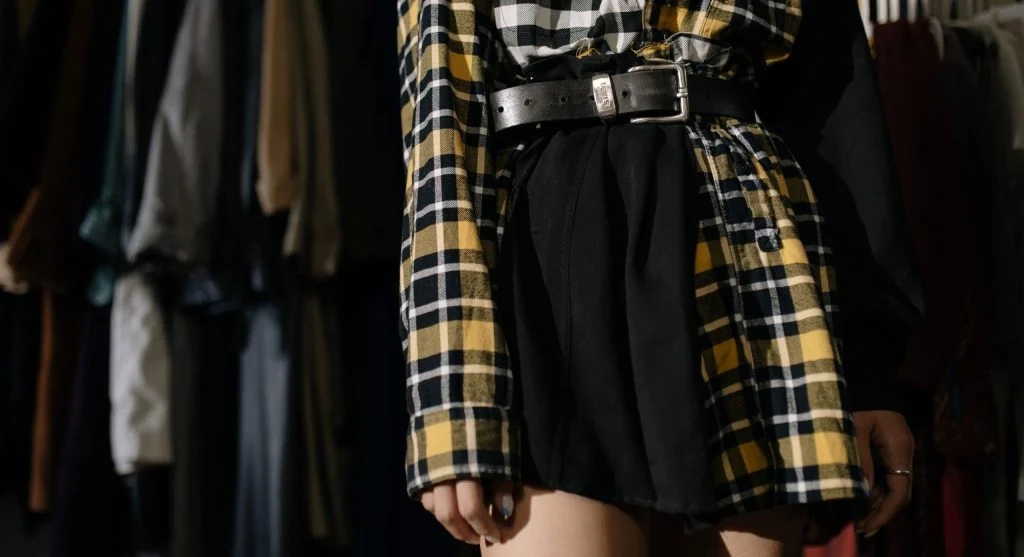
That transition between the upper and lower half of an outfit has a bigger impact than many people realize. When it feels clean and intentional, the entire look immediately appears more put together. The silhouette becomes easier to follow, the proportions feel more balanced, and the outfit reads as one cohesive look instead of two separate garments worn together. It is often this subtle detail that makes simple outfits appear effortlessly polished.
What the Break Between Top and Bottom Actually Means
The break between the top and bottom is the visual point where the upper garment ends and the lower garment begins. Depending on the outfit, this transition may sit at the waist, slightly above or below it, or be softened through overlapping layers. Because the eye naturally notices this area, it plays a key role in defining the body’s overall shape. When that transition feels unclear, the outfit itself can also seem less defined.
This becomes especially noticeable in everyday dressing, where outfits usually rely on basic pieces instead of bold prints or dramatic details. A well-defined transition helps simple clothing feel complete, while an unclear one can leave even attractive pieces looking disconnected.
Why This Detail Matters So Much in Simple Outfits
Everyday outfits depend heavily on proportion and shape. Without statement prints, embellishments, or eye-catching details to draw attention elsewhere, the structure of the outfit becomes much more noticeable. As a result, one weak transition point can influence the entire look far more than expected.
Stylists often explain that polished style comes from getting a handful of subtle structural details right. The break between the top and bottom is one of those details. It frequently determines whether an outfit feels thoughtfully styled or simply thrown together.
How Unclear Breaks Make Outfits Feel Weaker
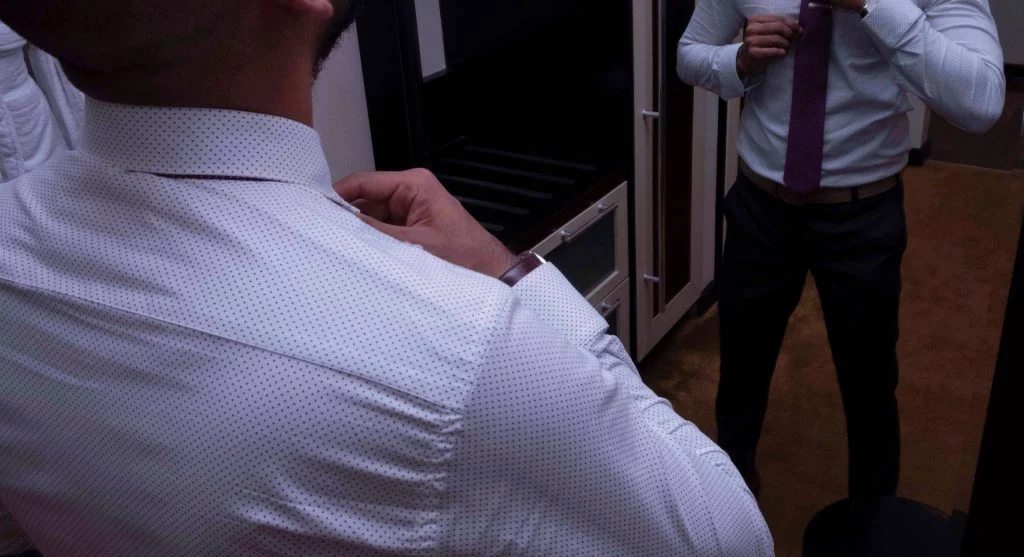
When a top ends at an awkward point, the outfit often loses its sense of balance. A shirt may hang too heavily over the waistband. A chunky knit may blur the center of the silhouette. An outer layer may hide the natural waist without creating another strong visual line. Even when each individual piece looks good, these issues can make the finished outfit feel flatter or less intentional.
Many people respond by changing their shoes or adding accessories, believing something else is missing. In reality, the issue often sits right in the middle of the outfit. Once that transition becomes clearer, the entire look usually feels more refined with very little additional effort.
Why a Clearer Break Improves Proportions Instantly
The middle of an outfit often determines how the entire silhouette is perceived. A more defined transition can make the legs appear longer, help the top connect more naturally with the bottom, and create a stronger sense of balance throughout the look. It gives the eye a clear place to understand where one garment ends and the next begins, making the outfit feel more intentional.
This does not mean every outfit requires a sharply defined waist or a perfectly tucked shirt. It simply means the transition should feel visually logical. Even relaxed outfits tend to look more polished when the middle has purpose instead of appearing blurred.
How Tucked and Semi-Tucked Styling Affect the Break
The way a top is tucked can dramatically influence this transition. A full tuck creates a crisp, defined break, while a partial tuck often provides just enough structure to improve the silhouette without looking overly formal. Both approaches help prevent the top from hanging without direction over the lower half, allowing the center of the outfit to feel more intentional.
This is why such a small adjustment around the waist can completely transform an outfit. The clothing itself remains the same, but the relationship between the upper and lower halves becomes much easier for the eye to understand.
Why Top Length Matters as Much as Styling
Some tops naturally create a cleaner transition because their length complements the rise and shape of the trousers or skirt. Others stop at a less flattering point, making the center of the outfit feel uncertain or disconnected. This explains why certain shirts, sweaters, or blouses pair effortlessly with particular bottoms while others never seem quite right.
Wardrobe planners often point out that successful outfit combinations are not determined only by color or current trends. They also depend on where garments meet. When the length of the top works with the lower piece, the transition feels much more natural.
How Skirts and Dresses Handle This Idea Differently
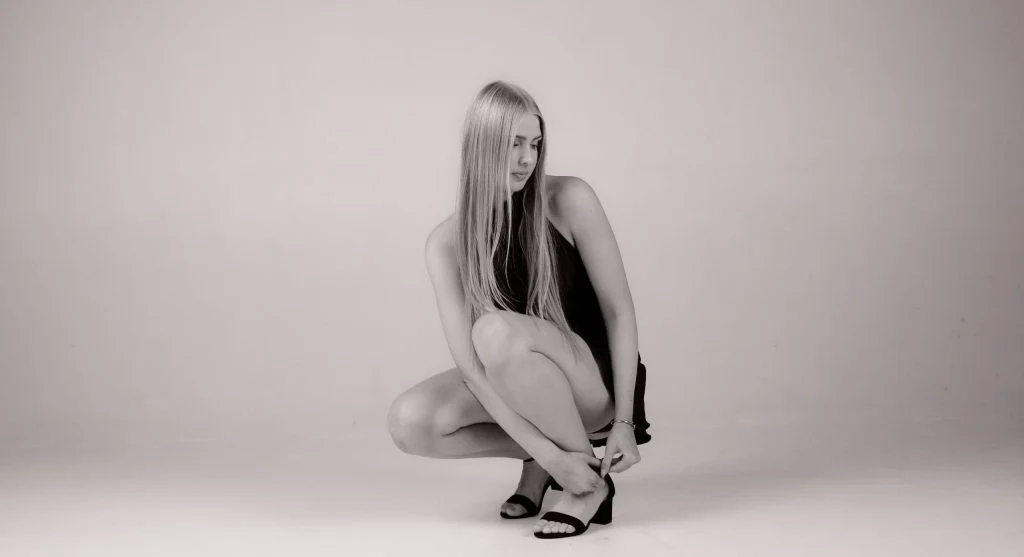
The same principle applies to skirts and dresses, although it appears in different forms. A skirt outfit still relies on a clear connection between the top and the lower half. Dresses often create this transition through a waist seam, wrap detail, belt, tie, or gentle shaping around the waist. When that point feels undefined, the dress can lose some of its visual strength. When it is more clearly established, the entire outfit tends to feel balanced and complete.
This is why a simple belt, waist seam, or small adjustment can suddenly make a dress feel much more flattering. The outfit becomes easier for the eye to follow from top to bottom.
Why Layers Can Either Help or Hide the Transition
Cardigans, blazers, overshirts, and jackets influence the break between the top and bottom more than many people expect. A well-chosen layer can frame the waist and strengthen the silhouette. On the other hand, a layer can also weaken the outfit if it covers the natural transition without creating enough structure of its own. The difference depends on whether the layer supports the outfit’s proportions or interrupts them.
That is one reason some layered outfits feel more polished than others. The strongest combinations still allow the eye to recognize where the outfit shifts from the upper half to the lower half, even if that transition is softened.
How to Tell When the Break Is Not Working
One common sign is that the outfit feels slightly shapeless through the middle. The top may seem too long, too bulky, or disconnected from the bottom. Another clue is when making a small adjustment around the waist instantly improves the entire outfit. In situations like these, the issue usually is not the clothing itself. It is the transition point that needs greater definition.
Moments like these often remind people that proportion matters more than adding extra styling elements. The outfit may already contain everything it needs—it simply requires a stronger connection between its major pieces.
Why Cleaner Transitions Often Look More Expensive
Outfits with a clearly defined break between the top and bottom often appear more refined because they look deliberate and controlled. The eye understands the silhouette quickly, creating an impression of balance and confidence. This effect has little to do with price. Even simple, practical clothing can look elevated when the proportions are well managed.
For many wardrobes, this is one of the easiest ways to improve everyday style. It does not require buying new clothes or following changing trends. It simply means giving more attention to the point where the upper and lower halves of an outfit come together.
Frequently Asked Questions
Q: What is the break between top and bottom in an outfit?
A: It is the visual transition where the upper garment ends and the lower garment begins, usually around the waist or middle of the silhouette.
Q: Why does a cleaner break make an outfit look more intentional?
A: It makes the outfit look more intentional because it improves proportion, helps the eye read the silhouette more clearly, and connects the top and bottom into one stronger look.
Q: Does this mean every outfit needs a full tuck?
A: No. A full tuck can help, but a partial tuck, better top length, or clearer waist transition can also create the same effect in a more relaxed way.
Q: How can I tell if my outfit needs a cleaner break?
A: If the middle of the outfit feels shapeless, awkward, or too visually heavy, and one small waist-area adjustment improves the whole look, the break likely needed more clarity.
Key Takeaway
A cleaner break between the top and bottom can make everyday outfits feel more intentional because it strengthens the point where the entire silhouette comes together. When that transition is clear, the outfit typically looks more balanced, polished, and cohesive. For many people, improving everyday style is less about adding more clothing and more about creating a stronger connection through the middle of the outfit.

Related Posts
Why One Clear Mid-Outfit Shape Can Make Everyday Looks Feel More Controlled Without Feeling Too Styled

Why One Clear Start-and-Finish Shape Can Make Everyday Outfits Feel More Complete Without Extra Styling