
Why One Tiny Morning Recovery Spot Can Help the Home Feel Less Scattered All Day
That is why a tiny morning recovery spot can make such a difference. It gives the home one dependable place where the most common morning leftovers can pause before they spread throughout the house. The space does not need to be large or elaborate. It simply needs to provide one small point of control. In many homes, that alone is enough to prevent a busy morning from turning into an entire day of visual clutter.
What Is a Morning Recovery Spot?
A morning recovery spot is a small area where loose items from the start of the day can be gathered and reset instead of remaining scattered across different rooms. It might be a tray, a basket, one corner of a countertop, a shelf, or part of a side table. The goal is not to store everything permanently. Instead, it provides a temporary place where active everyday items can be collected before they create a larger mess.
This makes the system practical for everyday life. Rather than trying to organize the entire house at once, you simply give the busiest small items one reliable place to land until they can be put away properly.
Why Morning Clutter Builds So Quickly
Morning routines often involve several activities happening at once. People are getting dressed, preparing breakfast, checking messages, packing bags, charging devices, and moving quickly from room to room. During all of that movement, items naturally get set down wherever it is most convenient.
Home organization experts often point out that clutter spreads fastest when there is no natural place for these temporary items to collect. A recovery spot helps interrupt that pattern by giving them a designated stopping point before they spread across multiple surfaces.

How One Small Spot Can Change the Feel of a Room
A room often feels untidy because the eye notices several unrelated objects scattered throughout the space. Once those same items are gathered into one small, organized location, the room immediately appears calmer.
The home still feels lived in, but it no longer looks like every task has been left unfinished. That visual change can make the entire space feel more manageable without requiring a full cleanup.
This is why small organizing systems are often so effective. They solve recurring problems without demanding a major effort every day.
What Belongs in a Recovery Spot?
The most useful items for a recovery spot are those that frequently appear during the morning but are rarely returned to their proper place right away. These may include:
Keys
Coffee mugs
Sunglasses
Chargers
Loose papers
Notebooks
Small items from a handbag or backpack
The exact contents will vary from one household to another, but the common principle remains the same: only include items connected to everyday routines rather than general household storage. That focus is what keeps the recovery spot useful. It serves as a temporary reset area, not another place where clutter accumulates.
Why Small Zones Often Work Better Than Big Cleanup Plans
Many people delay organizing because they believe they need enough time to clean an entire room before it feels worthwhile. A recovery spot takes a different approach by reducing the task to something that can be done in seconds.
Instead of asking yourself when you will organize the whole room, you simply ask whether the loose items can be placed in the recovery spot.
That smaller task is much easier to repeat consistently, which often makes it far more effective than ambitious cleanup plans that rarely happen.
It Helps the Rest of the Day Run More Smoothly
A room that recovers quickly from the morning rush becomes easier to use for everything that follows.
A clear kitchen counter makes lunch preparation simpler. A tidier entryway makes leaving the house later less stressful. An uncluttered living area creates a more comfortable space for work or relaxation.
The recovery spot supports these routines by preventing early-day clutter from becoming obstacles throughout the rest of the day.

Keep the Area Calm and Simple
A recovery spot works best when it remains visually quiet. If it becomes too large or starts collecting unrelated items, it can quickly become another source of clutter instead of a solution.
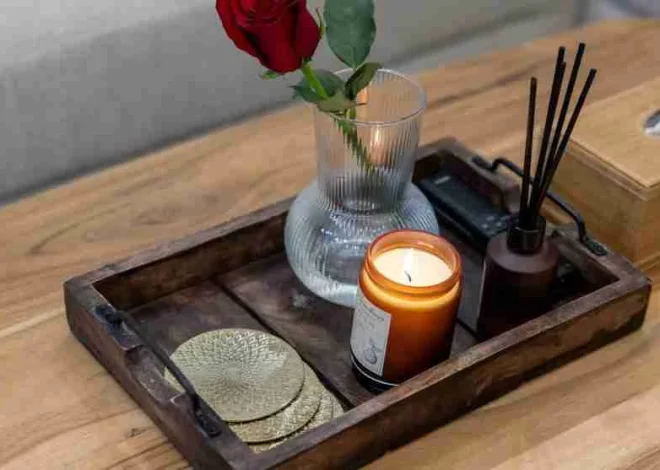
A small tray, compact basket, or a single shelf is usually enough. The area should be easy to understand at a glance so it immediately communicates its purpose.
Its job is to reduce visual stress, not simply move it somewhere else.
Prevent It From Becoming a Dumping Ground
The easiest way to keep the system effective is to review it regularly. The recovery spot should only contain active everyday items waiting to be put away—not forgotten belongings with no clear destination.
A quick reset during the evening or even later in the day is often enough to keep the area functioning properly.
If unrelated items begin piling up, it is a sign that the space needs a brief refresh so it can return to its original purpose.
It Can Make the Home Feel Calmer
One of the biggest benefits of a recovery spot is emotional rather than physical.
Homes often feel more peaceful when they are not carrying the visible leftovers of the busiest part of the morning. Even if people do not consciously notice every object left on a surface, the accumulated visual clutter can create a subtle sense of stress.
By giving those loose items one organized place to pause, the home feels more settled and better prepared for the rest of the day.
For many households, that quiet sense of order is the greatest reward. The recovery spot may be small, but it helps the home recover from the morning in a practical, repeatable, and reassuring way.
Frequently Asked Questions
Q: What is a morning recovery spot?
A: A morning recovery spot is a small home area where loose items from the early part of the day can be gathered and reset instead of being left scattered across several surfaces.
Q: Why does this make the home feel less scattered?
A: It makes the home feel less scattered because it gives common loose items one controlled place to land, which reduces visual spread and helps rooms recover faster from morning activity.
Q: What kinds of items should go there?
A: Small active items such as keys, mugs, notebooks, chargers, sunglasses, and loose papers often work well as long as they are tied to real morning routines.
Q: How do I keep the spot from turning into clutter?
A: Keep it physically small, give it one clear purpose, and reset it regularly so it stays a short-term recovery zone rather than becoming permanent storage.
Key Takeaway
One tiny morning recovery spot can help your home feel less scattered throughout the day by giving loose morning items a single place to gather before they spread across multiple rooms. This simple habit reduces visual clutter, makes later routines easier, and helps the home feel calmer with very little daily effort. For many households, creating one small recovery area is one of the easiest ways to prevent the morning rush from leaving the entire day feeling disorganized.