Why One Reliable Outfit Depth Pattern Can Make Simple Daily Dressing Feel More Polished
What an outfit depth pattern actually means
An outfit depth pattern is the way a look creates visual layers without becoming bulky or confusing. This may come from a base piece that sits quietly underneath, a top or light layer that adds some structure, a lower half that grounds the outfit, and shoes that finish the line without flattening everything into one level. The effect is often subtle, but the eye still responds to it quickly.
This matters because flat outfits often feel unfinished even when nothing is technically wrong. A small amount of visible depth helps the clothing feel more realistic, more organized, and easier to read as one complete look.
Why simple outfits often feel flat without it
Basic daily outfits usually rely on proportion and visual interest created through shape, fabric, and layering rather than through loud detail. If all the pieces seem to sit on the same visual level, the outfit may look useful but not especially settled. A plain top, plain lower half, and plain shoe can work, but without some sense of forward-and-back relationship, the look may feel too even in the wrong way.
Stylists often explain that good daily outfits need enough structure to give the eye something to follow. Depth helps do that. It adds quiet movement without forcing the outfit into something much more dressed than the day requires.
How light layering creates useful depth
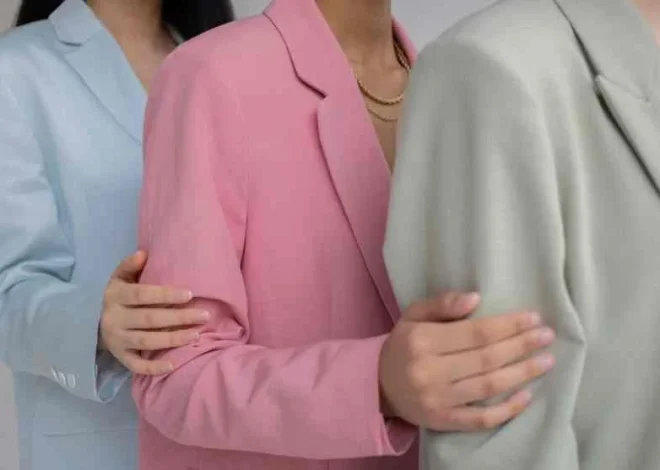
One of the easiest ways to create a dependable depth pattern is through light layering. A cardigan, overshirt, soft blazer, or open shirt can add just enough separation between the base of the outfit and the outer visible line. This does not need to feel heavy. In fact, the most useful depth often comes from layers that stay easy and wearable rather than from big dramatic outerwear.
This is one reason certain light layers become wardrobe favorites. They improve the depth of the outfit quickly without making the clothing feel harder to wear or more formal than needed.
Why fabric texture helps create depth too
Depth does not only come from literal layering. It can also come from fabric texture. A matte knit over a smoother lower half, a washed shirt over cleaner trousers, or a soft woven layer beside a slightly firmer bag can all create enough surface variation to give the outfit more dimension. The eye reads this as depth even when the outfit remains very simple.
This matters because some readers do not want to add more garments. Fabric contrast can offer a quieter way to create the same kind of visual interest while keeping the outfit comfortable and manageable.
How the middle of the outfit controls the depth pattern
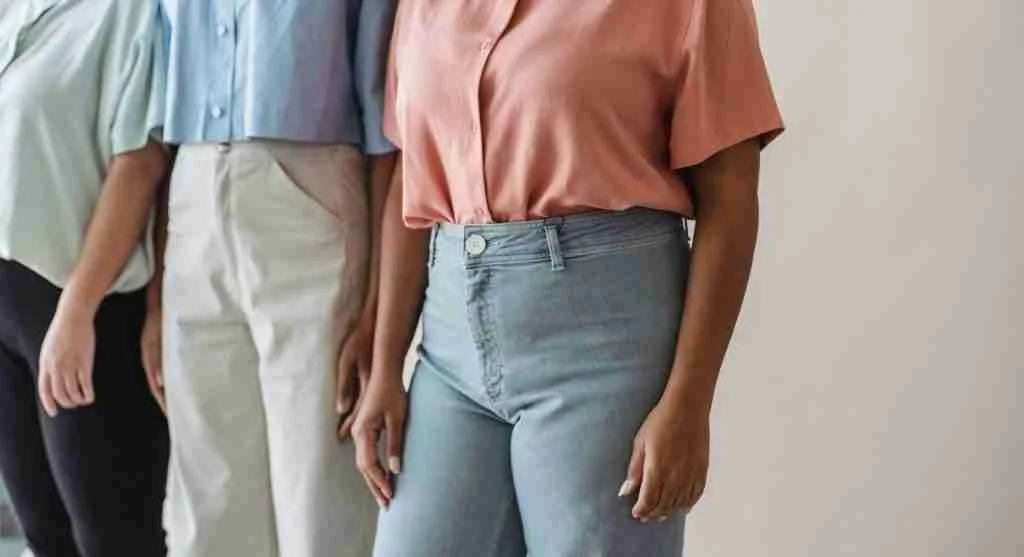
The center of the outfit often decides whether depth feels natural or messy. If the middle is too blurred, the look may seem flat. If the middle becomes too busy, the depth can turn into clutter. A strong depth pattern usually keeps the center readable through a clean transition between upper and lower halves, sometimes helped by a useful tuck, a calm layer opening, or a better top length.
This is why the waist and center area matter so much. They help the outfit show where one visual level ends and another begins. Without that clarity, even good layers can feel less effective.
Why shoes need to finish the depth without collapsing it
Shoes play an important role in outfit depth because they finish the final layer of the silhouette. If the shoe is too abrupt or too visually dominant, it can flatten the carefully built structure above it by pulling all attention downward at once. But when the shoe supports the rest of the look, the outfit keeps its depth all the way to the bottom.
This is one reason dependable shoe shapes often matter more than readers expect. They do not only complete the outfit practically. They help preserve the visual layering the rest of the clothing has already created.
How this makes wardrobes easier to repeat
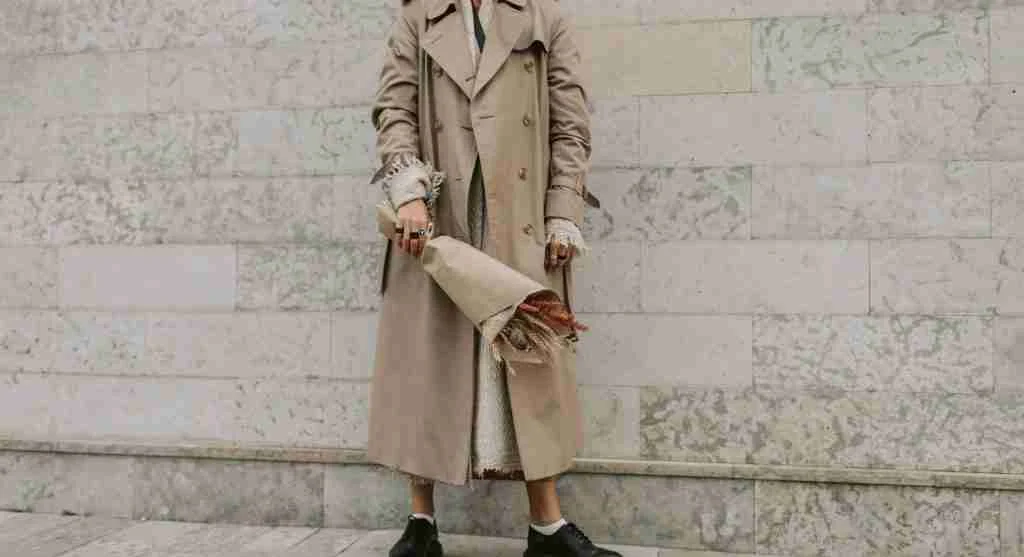
Readers usually trust outfits more when they know why those outfits work. A reliable depth pattern gives the wardrobe a repeatable structure. One light layer may keep adding enough dimension. One trouser shape may keep grounding softer tops. One texture combination may repeatedly make basic outfits feel stronger. Once this pattern becomes visible, getting dressed often becomes much easier.
That kind of clarity matters because the wardrobe no longer depends on lucky combinations. It begins relying on a structure that can be repeated across different days with different pieces.
Why this often matters more than stronger statement pieces
When an outfit feels weak, readers often assume it needs a more dramatic accessory, a louder trend piece, or a stronger focal item. Sometimes what it really needs is more depth. A statement piece can add attention, but it does not always add dimension. A good depth pattern often makes even basic clothes seem more polished than a louder piece would if the rest of the outfit still feels flat.
This is one reason refined daily style often looks quieter than expected. The clothing may not be trying very hard to stand out. It is simply arranged in a way that gives the eye something more satisfying to follow.
How to tell when an outfit needs more depth
One sign is that the outfit feels fine but slightly plain in a way that styling details do not seem to fix. Another is that the look improves immediately when one layer, texture shift, or cleaner shoe choice is added. Readers may also notice that the outfit feels too “same-level” from top to bottom, with no real visual movement through the silhouette.
In those moments, the answer is often not adding more chaos. It is building one calmer sense of depth that helps the outfit feel more finished without making it more complicated.
Why good depth often looks more expensive
Outfits with a clearer depth pattern often seem more polished because they feel more resolved. The eye experiences a stronger sense of layering, spacing, and structure, even when the pieces are ordinary. This can make a simple wardrobe appear much more refined than one with louder items but less dimension.
For many readers, this is one of the most useful everyday style lessons. Better outfits often begin not with more decoration, but with more believable depth between the pieces already being worn.
Frequently Asked Questions
Q: What is an outfit depth pattern?
A: It is the visual sense of layering and dimension in an outfit, created through light layering, texture, structure, and the way pieces relate from front to back and top to bottom.
Q: Why does depth make simple outfits feel more polished?
A: It helps because depth gives the eye more structure to follow, which makes the outfit feel more complete and less flat without needing stronger statement pieces.
Q: Do I need many layers to create outfit depth?
A: No. One light layer, a texture difference, or a better relationship between upper and lower halves can often create enough depth for a stronger everyday look.
Q: How can I add depth to a simple daily outfit quickly?
A: Try using an open light layer, mixing calm but different textures, or choosing shoes that support the rest of the silhouette instead of flattening it visually.
Key Takeaway
One reliable outfit depth pattern can make simple daily dressing feel more polished because it adds just enough dimension for the eye to read the clothing as one complete look. Through light layers, texture shifts, and supportive finishing pieces, basic outfits often become calmer and more intentional without becoming complicated. For many readers, stronger everyday style begins when the wardrobe stops looking flat and starts building gentle visual depth instead.

Related Posts
Why One Steady Base Layer Shape Can Make Everyday Outfits Feel Easier to Build and More Polished
Why One Calm Outfit Anchor Can Make Everyday Looks Feel More Steady From First Piece to Last