
7 Beauty and Grooming Myths That Can Make Daily Routines Harder
Beauty and grooming routines often become harder when they are shaped by myths instead of everyday reality. Many readers are not struggling because they lack products or effort. They are struggling because they have picked up ideas that make daily self-care feel more complicated than it needs to be.
Skincare educators, grooming specialists, and habit experts often explain that the strongest routines are usually simple, clear, and consistent. When beauty and grooming myths take over, routines can become too long, too expensive, or too difficult to maintain through normal life.
Why Beauty and Grooming Myths Spread So Easily
Beauty and grooming myths often spread because they sound convincing in short advice formats. A dramatic claim is easier to remember than a balanced one. Readers may hear that one product changes everything, that more steps always mean better care, or that a routine must look advanced to be useful.
Personal care professionals often note that daily self-care works differently from trend-based advice. A routine needs to fit mornings, evenings, workdays, travel, and low-energy days. That is why myths can create more stress than value when they are treated like rules.
1. Myth: A Longer Routine Is Always a Better Routine
One of the most common beauty and grooming myths is the idea that more steps automatically lead to better results. In reality, a longer routine often becomes harder to follow consistently. If the routine feels too demanding, people may skip it completely on busy days.
Grooming specialists often explain that a shorter routine followed regularly usually supports stronger daily habits than a longer routine used only once in a while. Consistency often matters more than the total number of steps.
Credit: Artem Podrez / Pexels
2. Myth: Expensive Products Always Create a Better Routine
Price can reflect branding, packaging, or product positioning, but it does not automatically mean a routine will work better in real life. One of the more misleading beauty and grooming myths is that effective self-care must be expensive to count.
Consumer behavior specialists often note that routines usually work best when the products are practical enough to use consistently. A routine that fits the reader’s habits and budget often lasts longer and feels more realistic over time.
3. Myth: Daily Self-Care Should Look the Same Every Day
Some readers believe a routine must be followed in the exact same full form every day to be useful. That belief can make self-care feel too rigid. In reality, many routines work better when they include a shorter version for rushed mornings or tired evenings and a fuller version for calmer moments.
Time-management experts often point out that flexible systems are easier to maintain than strict ones. A routine that can adjust slightly still supports grooming habits without becoming fragile.
4. Myth: Changing Products Often Helps Find the Best Routine Faster
Many people switch products too quickly because they assume more change will lead to better results. This is one of the beauty and grooming myths that often creates confusion. Frequent changes make it harder to understand what is actually useful and what is only adding extra effort.
Personal care educators often explain that stable routines are easier to evaluate because the habits around them stay clear. Simpler systems often show their value over time, not through constant replacement.
5. Myth: Tools Matter Less Than Products
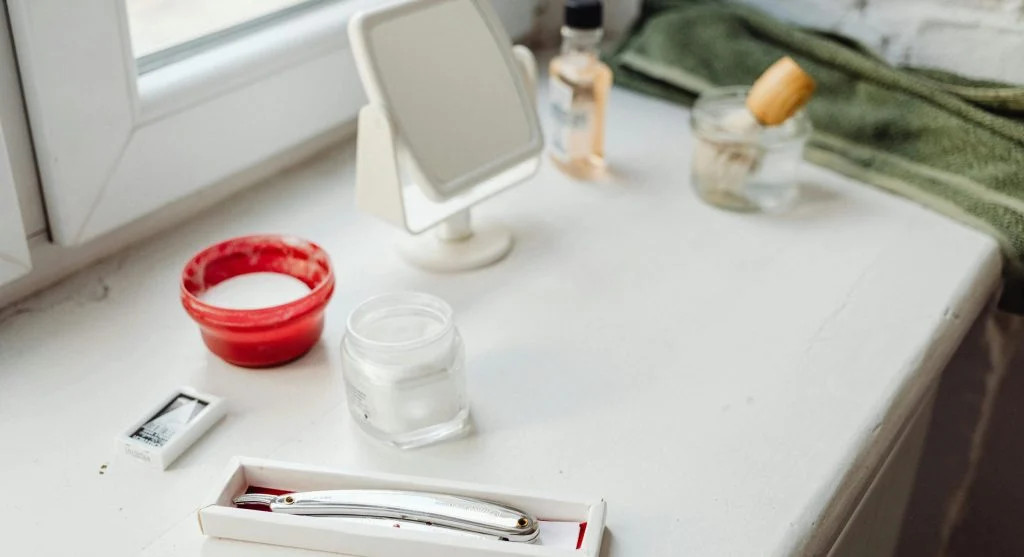
Another common misunderstanding is that products matter, but the condition of tools does not. Yet daily self-care often depends heavily on brushes, combs, towels, razors, and other basic items. When these are neglected, the routine can feel less effective and less organized.
Grooming professionals frequently point out that clean, ready-to-use tools support better habits. In many cases, a better setup improves the routine more than adding another product to an already crowded shelf.
Credit: www.kaboompics.com / Pexels
6. Myth: A Useful Routine Should Feel Dramatic
Many routines are judged by how noticeable they feel instead of how useful they are. This creates the myth that beauty and grooming should always feel transformative or highly visible. In reality, many strong routines feel quiet. They work because they support hygiene, neatness, and repeatable daily care without demanding too much attention.
Habit experts often explain that useful routines become easier when they stop feeling like a special event. A routine that blends naturally into everyday life is often the one that lasts the longest.
7. Myth: Seasonal Change Means a Full Routine Reset
Weather changes can affect comfort and routine needs, but they do not always require a complete overhaul. One of the most common beauty and grooming myths is that every new season calls for a completely different system. Often, a few small adjustments are enough.
Beauty and grooming professionals often recommend changing slowly and only where needed. A lighter or heavier supporting step, a slight timing shift, or a more practical setup can often do enough without creating extra confusion.
How Beauty and Grooming Myths Make Routines Harder to Maintain
Myths create pressure by making simple routines seem inadequate. They can lead readers to believe that self-care only works when it is expensive, long, dramatic, or constantly changing. This can make normal grooming habits feel less valuable than they really are.
In reality, the routines that last are usually the ones that feel practical enough to survive real schedules. Beauty and grooming becomes easier when readers stop chasing impossible standards and start building habits that actually fit daily life.
What Usually Works Better Than Beauty and Grooming Myths
A calmer routine often works better than a crowded one. Clean tools, a small number of useful products, a steady order, and enough flexibility for busy days usually create stronger daily self-care habits than routines shaped by dramatic claims.
For many readers, the most useful change is not adding more. It is removing the pressure created by beauty and grooming myths and returning to habits that are easier to repeat every day.
Frequently Asked Questions
Q: What are the most common beauty and grooming myths?
A: Common beauty and grooming myths include the idea that longer routines are always better, expensive products always work best, and seasonal changes require full routine resets. These ideas often make daily self-care harder than it needs to be.
Q: Why do simple routines often work better?
A: Simple routines often work better because they are easier to repeat consistently. A routine that fits daily life usually has more lasting value than one that feels too long or too demanding.
Q: Do grooming habits need to change often?
A: Not usually. Small updates may help when weather or daily needs shift, but frequent major changes can make routines harder to understand and harder to keep steady.
Q: What makes daily self-care easier to maintain?
A: Daily self-care usually becomes easier to maintain when it uses a small number of useful steps, clean tools, and a routine that works on both busy and calmer days.
Key Takeaway
Beauty and grooming myths often make routines feel more complicated by adding pressure, unnecessary steps, and unrealistic expectations. In many cases, a simpler beauty and grooming routine built around consistent habits, clean tools, and realistic daily self-care works better over time. For many readers, the most effective routine is the one that stays practical and easy enough to maintain through everyday life.

Related Posts

Why One Small End-of-Routine Reset Zone Can Make Daily Grooming Feel Cleaner and Easier the Next Morning

Why One Steady Hand-Level Routine Can Make Daily Grooming Feel More Controlled and Less Distracting