Why One Soft Top-to-Bottom Visual Thread Can Make Everyday Outfits Feel More Pulled Together
What a visual thread actually means in an outfit
A visual thread is the subtle connection that runs through more than one part of the look and gives the outfit a sense of continuity. It does not have to be loud or exact. In everyday clothing, it often works best when it feels soft and natural. The thread may come from a repeated tone, a similar line quality, a shared shape rhythm, or another small detail that helps the pieces feel related.
This matters because the eye usually prefers movement with some logic behind it. When one part of an outfit quietly leads toward the next, the whole look tends to feel calmer and easier to trust.
Why many daily outfits feel disconnected even when the pieces are fine
Readers often judge clothing item by item. A top looks good. The trousers are useful. The shoes work for the day. Yet outfits are not experienced as isolated garments. They are experienced as one full visual path. When that path has no thread running through it, the clothing can seem more separate than it really is. The result is often an outfit that looks acceptable but not especially settled.
Stylists often explain that polished dressing depends on relationships more than on individual pieces. A visual thread strengthens those relationships without making the outfit seem overplanned.
How color often creates the easiest thread
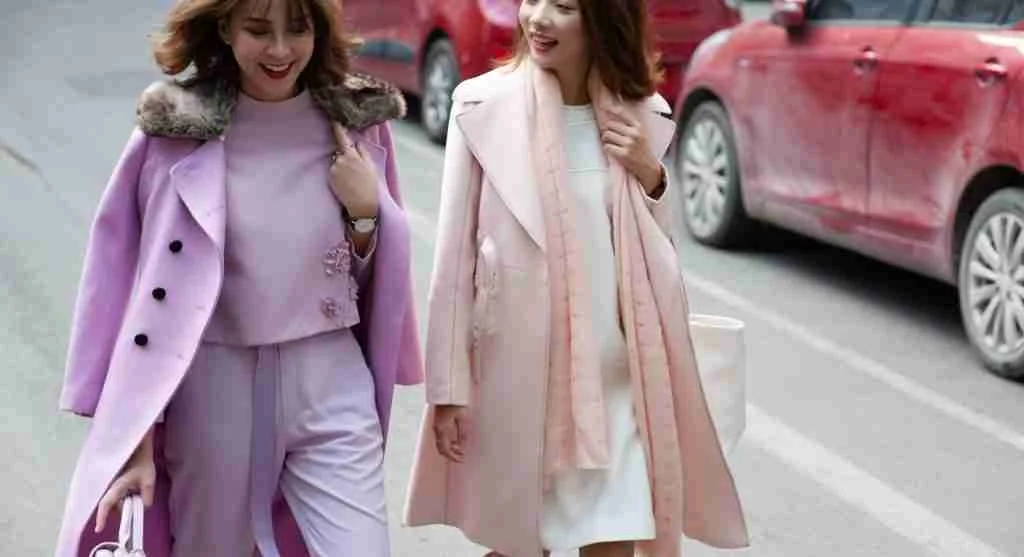
One of the most practical ways to create a visual thread is through color. A shade that appears softly near the face and then reappears somewhere lower in the outfit can help the whole look feel more connected. This does not require exact matching. In fact, everyday outfits usually look more natural when the color relationship is gentle rather than strict.
A repeated neutral, a shared undertone, or a bag or shoe that quietly echoes part of the upper half can all build enough connection to change how the whole outfit reads.
Why line quality can do the same work
Sometimes the thread is not color at all. It is line. A softer neckline echoed by a gentler shoe shape, a straighter upper line continued through the trouser leg, or a cleaner vertical opening in a layer that supports the rest of the silhouette can all create continuity. The eye notices that the pieces belong to the same visual language, even if the reader does not consciously describe it that way.
This is one reason some outfits feel refined even without obvious styling tricks. The lines are helping one another from top to bottom instead of each part introducing a completely different visual idea.
How the middle of the outfit keeps the thread alive
The center of the outfit often decides whether a visual thread survives. If the middle becomes too heavy, too vague, or too abrupt, the connection between the top and bottom can weaken quickly. A cleaner top length, a calmer layer opening, or a clearer waist area often helps because it allows the eye to move through the outfit without interruption.
This does not mean every outfit needs a sharp waist or a dramatic styling move. It simply means the center should not break the quiet relationship the rest of the outfit is trying to build.
Why textures can create a softer thread than color sometimes
Texture often builds a very wearable kind of connection because it feels subtle. A matte shirt with a similarly calm shoe finish, a washed woven layer paired with a lower half that shares the same surface mood, or a soft knit that connects naturally with the rest of the outfit can all help the look feel more unified. The thread comes from material feeling rather than from visible sameness.
This is especially useful for readers who prefer quiet wardrobes. Texture can do the linking work without asking the outfit to carry more obvious color or detail.
How shoes either finish the thread or break it
Shoes are often where the outfit either lands well or loses its connection. A shoe that supports the thread already created above can make the look feel much more complete. A shoe that introduces a very different mood, weight, or line can weaken the relationship between the upper and lower halves. This is why some outfits improve immediately after a shoe change even when everything else stays the same.
The shoe does not need to disappear. It simply needs to respect the path the rest of the outfit has already created.
Why this works especially well in basic wardrobes
Basic wardrobes usually rely on subtle structure rather than obvious statement pieces, so visual threads become more valuable. When the clothing is simple, one quiet connection can do a surprising amount of work. It can make a plain shirt, dependable lower half, and practical shoe feel much more intentional without requiring anything dramatic.
This is one reason simple outfits can look stronger than louder ones. They often contain better visual logic even though they appear more effortless on the surface.
How to tell when an outfit needs a thread
One sign is that the clothing seems fine separately but disconnected together. Another is that the shoes, layer, or lower half feel slightly unrelated to the upper part even though none of them is truly wrong. Readers may also notice that a small color repeat, shoe swap, or texture change suddenly makes the whole outfit easier to trust. These are often clues that the outfit needed more connection, not more complexity.
In those moments, the answer is often simpler than expected. One quiet thread can do more than another accessory or stronger focal point.
Why this often looks more polished than exact coordination
Outfits with a soft visual thread often look more polished than fully matched outfits because they feel thoughtful without feeling rigid. The eye senses that the clothing belongs together, but the look still feels easy and modern. That usually creates a more natural refinement than strict coordination in every part of the outfit.
For many readers, this is one of the most useful everyday style lessons. Better outfit connection often comes from a softer repeating idea, not from harder matching rules.
Frequently Asked Questions
Q: What is a soft top-to-bottom visual thread?
A: It is a subtle connection that helps the eye move smoothly from the upper part of an outfit down through the middle and lower half without losing a sense of continuity.
Q: Why does a visual thread make outfits feel more pulled together?
A: It helps because it creates a gentle relationship between the pieces, which makes the outfit feel more organized and easier to read as one full look.
Q: Does the thread have to come from color?
A: No. It can come from color, shape, texture, line quality, or another repeated detail that helps the pieces feel related.
Q: How can I add a visual thread quickly?
A: Try repeating one tone softly, choosing shoes that support the upper half better, or using a layer or texture that connects the different parts of the outfit more naturally.
Key Takeaway
One soft top-to-bottom visual thread can make everyday outfits feel more pulled together because it gives the eye a smoother path through the clothing. Whether that thread comes from color, line, texture, or another subtle repeated detail, it helps simple outfits feel calmer and more complete without extra effort. For many readers, stronger daily style begins when the outfit starts carrying one quiet idea all the way through.

Related Posts

Why One Quiet Outfit Pause Point Can Make Simple Daily Dressing Feel More Balanced and Less Rushed
Why One Gentle Outfit Echo Can Make Simple Daily Looks Feel More Connected Without Extra Effort