Why a Personal Style Uniform Can Make Busy Mornings Easier Without Feeling Repetitive
Many people think a style uniform sounds limiting, but in real life it often solves one of the biggest daily problems: deciding what to wear when there is not enough time to think. A personal style uniform does not mean wearing the exact same outfit every day. It means knowing which shapes, layers, and shoes already make life easier, then building around them on purpose.
Stylists and wardrobe planners often describe style uniforms as one of the most practical ways to reduce clothing stress. They work especially well for readers who want to look put together on normal weekdays without turning every morning into a full styling session. Instead of creating a new fashion idea every day, the reader relies on a pattern that already supports real life.
What a personal style uniform really means
A style uniform is not a strict costume. It is more like a dependable visual formula. One reader may always feel best in straight trousers, a fitted knit, and loafers. Someone else may rely on dark denim, a crisp shirt, and one light jacket. Another person may rotate midi dresses with flats and one dependable outer layer. The uniform is simply the shape that keeps proving it works.
This matters because many wardrobes already contain a hidden uniform. Readers often reach for the same silhouette again and again without naming it. Once that pattern becomes clear, getting dressed usually becomes faster and more intentional.
Why style uniforms help on rushed mornings
Busy mornings often punish indecision. The more options readers try to compare, the more likely the wardrobe starts to feel difficult. A personal uniform reduces that pressure because several decisions have already been made in advance. The reader already knows the trouser shape, shoe type, or layer that usually works. That means less staring at hangers and fewer last-minute outfit changes.
Time-management experts often note that decision fatigue builds early in the day. Clothing choices are only one part of that, but they can still drain energy before the day has properly begun. A style uniform helps protect that energy by making the first outfit decision easier.
Why a style uniform does not have to feel boring
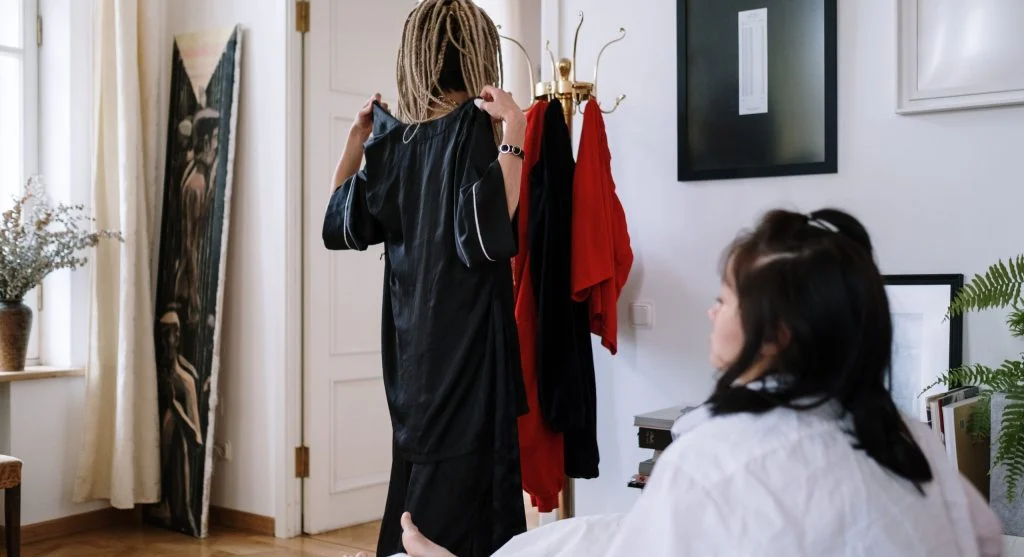
One of the biggest fears around repeat dressing is boredom. But a uniform usually feels boring only when it is too narrow or built from pieces the reader does not actually enjoy. A strong uniform leaves room for subtle changes. The outline may stay similar while the knit changes texture, the shirt changes color, or the bag shifts the mood. The repetition stays helpful, while the variations keep the look alive.
Fashion editors often point out that many stylish people dress this way already. Their outfits look consistent, not because they lack imagination, but because they know what flatters them and what fits their real schedule.
How to spot your natural uniform
Most readers can identify a natural style uniform by looking at what gets worn most often. Which bottoms return from the laundry fastest? Which shoes always rescue the outfit? Which layer seems to work with everything? These clues often show the real center of personal style more clearly than shopping wish lists do.
Closet planners often suggest paying attention to comfort as well as appearance. A useful uniform usually looks good, but it also survives walking, sitting, weather changes, and full workdays. That practical side is often what makes the formula worth repeating.
Three common examples of a personal style uniform
One common version is the polished basic uniform: straight trousers, knitwear, loafers, and one structured jacket. This works well for readers who want clean lines and easy weekday dressing.
Another version is the soft casual uniform: relaxed denim, a tucked shirt or tee, low-profile sneakers, and one light layer. This often suits readers who want comfort first without giving up structure completely.
A third version is the dress-based uniform: one easy dress shape, flats or low boots, and a dependable outer layer. This can work especially well for readers who do not enjoy coordinating separates every morning.
These examples are different, but they share the same logic. Each one removes guesswork by repeating a shape that already feels natural.
How to build one without buying a whole new wardrobe
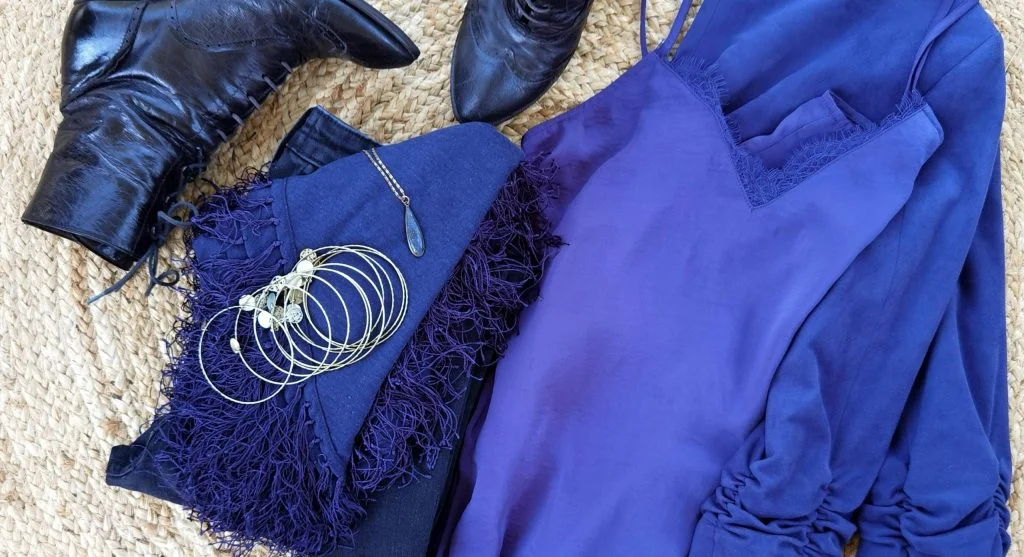
Readers often assume they need a total wardrobe reset to create a uniform, but that is usually not true. The easiest approach is to build from clothing already trusted. Start with one bottom shape, one top category, one dependable shoe, and one useful layer. Then check whether these pieces already create three or four reliable combinations.
If the answer is yes, the uniform may already exist. The next step is simply making it easier to use. That might mean moving those pieces to the front of the closet, replacing one weak item, or repeating the same formula more intentionally during the week.
Why shoes often define the uniform more than tops do
Many people think the top half of the outfit defines their style, but shoes often decide how the uniform actually feels. The same trousers and knit can lean polished with loafers, relaxed with sneakers, or softer with flats. This is why dependable footwear matters so much in a style uniform. It sets the tone quickly and helps the rest of the outfit feel finished.
Footwear specialists often explain that practical shoes repeat most because they support both appearance and routine. Once the reader finds the right everyday shoe category, the uniform usually becomes much easier to repeat with confidence.
How small changes keep the uniform interesting
The easiest way to keep a style uniform fresh is to change supporting details, not the whole structure. Swap a navy knit for a soft brown one. Switch from a blazer to a cardigan. Use a different bag shape. Add a scarf or subtle jewelry. These adjustments keep the outfit visually alive while protecting the calm structure that makes the uniform useful in the first place.
This is often why uniforms work better over time. They create a stable base that still allows enough movement to keep personal style visible.
Why style uniforms often improve shopping decisions
Once a reader knows their style uniform, shopping usually becomes clearer. Instead of buying random pieces that look exciting alone, they can ask a better question: does this support my existing formula? That simple shift often leads to better purchases, fewer mistakes, and a closet that feels more connected.
Retail behavior specialists often note that wardrobes become more useful when purchases support what already works. A style uniform gives the reader that filter.
Frequently Asked Questions
Q: What is a personal style uniform?
A: A personal style uniform is a repeatable outfit pattern built from shapes, shoes, and layers that already work well in daily life. It is not the exact same outfit every day, but a dependable visual formula.
Q: Will a style uniform make my outfits look repetitive?
A: Not necessarily. A style uniform usually stays interesting when the main structure repeats but smaller details like color, texture, shoes, or accessories change slightly.
Q: How do I know if I already have a style uniform?
A: You probably already have one if you notice yourself repeating the same outfit shape, bottom type, shoe category, or layer again and again because it feels reliable and comfortable.
Q: Can a style uniform really make mornings easier?
A: Yes. A style uniform reduces decision fatigue by giving you a trusted starting point, which often makes busy mornings faster and much less stressful.
Key Takeaway
A personal style uniform can make busy mornings easier because it turns daily dressing into a trusted pattern instead of a new challenge every day. When the core silhouette, shoes, and layers already work, small changes are enough to keep the look fresh. For many readers, the smartest style solution is not more options, but one reliable formula that keeps proving itself useful.

Related Posts
Why One Steady Base Layer Shape Can Make Everyday Outfits Feel Easier to Build and More Polished
Why One Calm Outfit Anchor Can Make Everyday Looks Feel More Steady From First Piece to Last