
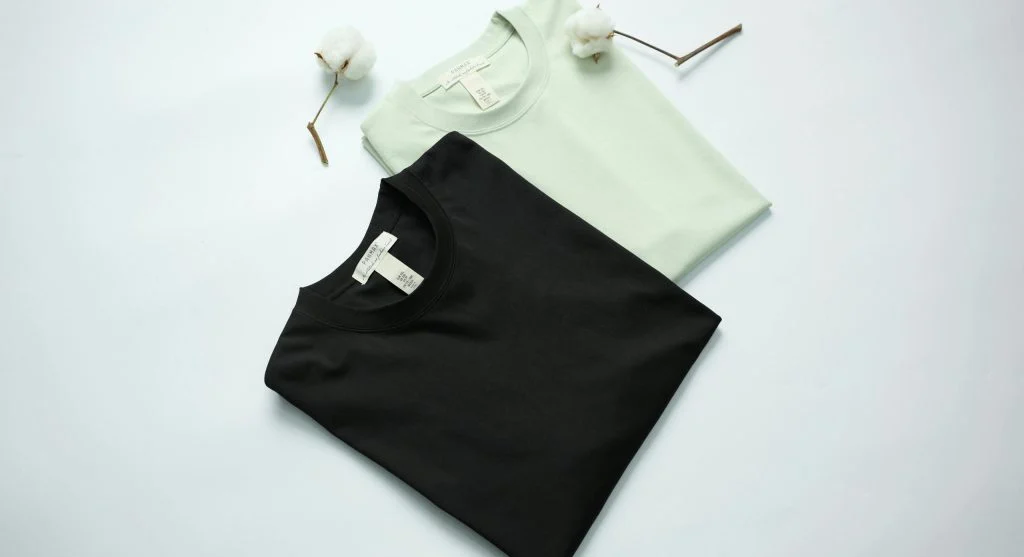
How to Build a Go-To Everyday Outfit Formula That Still Feels Fresh During the Week
Many readers want everyday style to feel easier without looking repetitive. The good news is that daily dressing often becomes stronger when it relies on one dependable outfit formula. A formula does not mean wearing the exact same look every day. It means building around a structure that already works, then making small changes that keep the outfit useful and fresh through the week.
Stylists, wardrobe planners, and fashion editors often explain that everyday dressing feels calmer when the reader has one or two reliable formulas ready to use. These outfit patterns reduce decision fatigue, make strong pieces easier to repeat, and help the wardrobe feel more consistent from Monday to the weekend. That is why building a go-to everyday outfit formula often helps style feel more polished with less stress.
Why an everyday outfit formula usually makes daily dressing easier
Most difficult mornings do not leave much time for full outfit experimentation. Readers often need clothes that already make sense together. An everyday outfit formula solves this by giving the day a trusted starting point. Instead of building every look from the beginning, the reader works from a shape that already feels balanced.
Wardrobe experts often note that a good formula supports routine, weather changes, and comfort without asking for constant creativity. This is why repeatable outfit structures often do more for daily style than extra clothing does.
Step 1: Start with a base combination that already works in real life
The first step is choosing a base outfit pattern that already feels dependable. For many readers, this may be a knit top with straight trousers, a shirt with denim, or a simple dress with flats. The key is choosing a combination that fits normal movement, daily plans, and the pace of ordinary life.
Closet planners often recommend starting with outfits already worn successfully more than once. This makes the formula more realistic from the beginning and prevents the reader from building around ideas that only look good in theory.
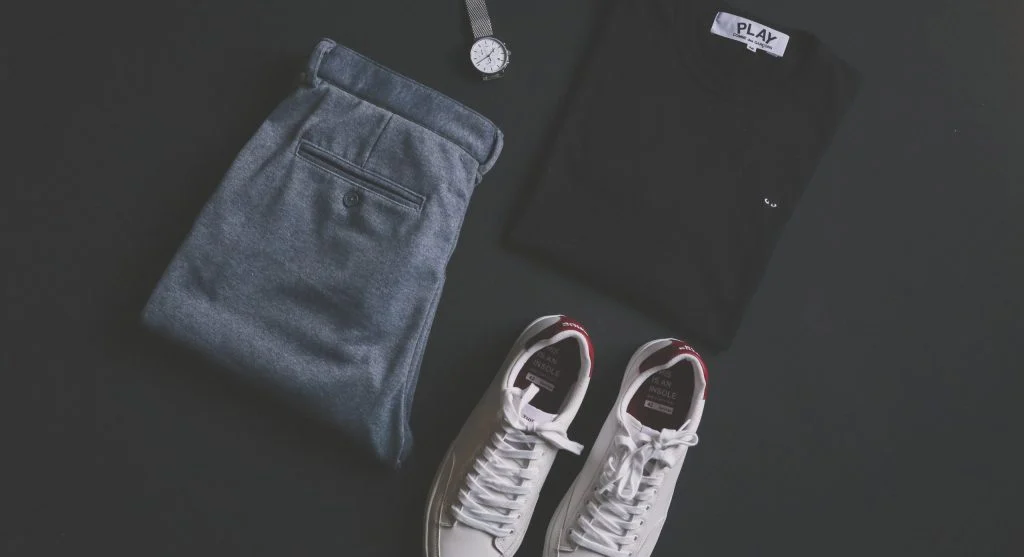
Step 2: Choose pieces that can repeat without feeling difficult
A good outfit formula depends on repeatable pieces. These are clothes that fit clearly, work with more than one combination, and feel easy to wear on both rushed and calmer days. A useful trouser, dependable knit, comfortable shoe, or light outer layer often becomes more important here than something highly specific.
Stylists often explain that the strongest everyday outfits are usually built from pieces readers trust. Clothing that already feels easy to reach for often creates the best formula base.
Step 3: Make sure the shoes support several versions of the look
Shoes often decide whether an outfit formula truly works. If the footwear only fits one narrow version of the outfit, the structure may feel less practical over time. A loafer, clean sneaker, flat, or low boot that works across different tops and layers often gives the formula much more flexibility.
Footwear specialists often note that dependable daily shoes help a formula stay fresh because they allow small outfit changes without forcing a full restart each morning.
Step 4: Keep the color base connected
A connected color palette makes any everyday outfit formula easier to repeat. Shades such as navy, black, gray, white, beige, olive, soft brown, and denim blue usually help because more combinations become possible without visual tension. The formula does not need to stay colorless, but it should stay easy to mix.
Wardrobe consultants often explain that connected colors reduce outfit stress because the reader does not need to solve color balance from zero each time. This often makes repeat wear look more intentional.
Step 5: Add one change point that keeps the formula fresh
An outfit formula becomes easier to live with when one part can change without breaking the structure. This could mean switching the top, changing the outer layer, or rotating between two dependable shoes. These small updates help the outfit feel different enough while keeping the main balance intact.
Fashion editors often note that the best formulas feel steady but not rigid. One change point usually provides enough freshness without losing the calm quality that makes the look repeatable.
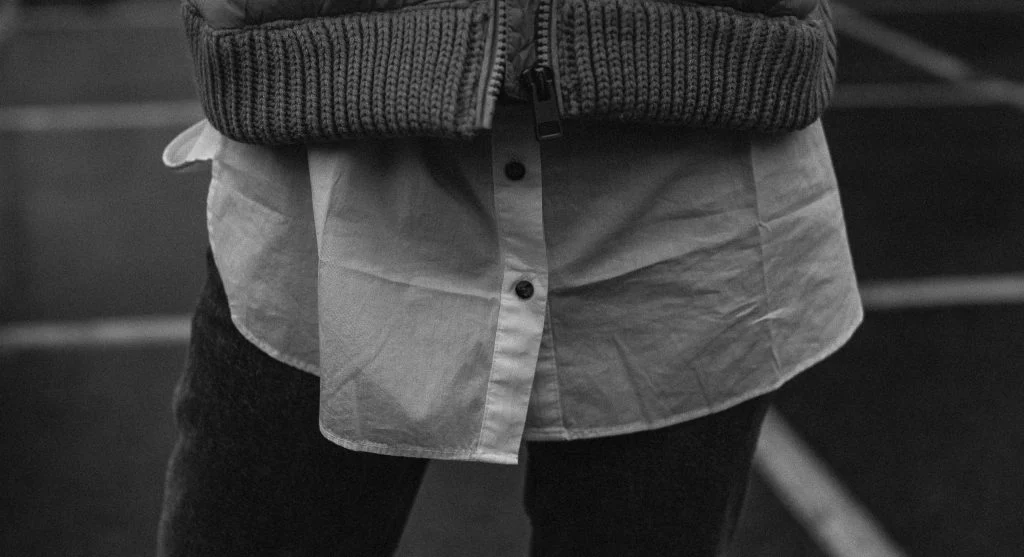
Step 6: Let one structured piece sharpen the formula
Many everyday outfits feel more polished when one structured piece supports the rest of the look. A blazer, trench, crisp shirt, or clean trouser can give the outfit more direction without making it too formal. This helps the formula stay useful for workdays, errands, or casual plans where the reader wants balance without too much effort.
Style professionals often explain that one structured item often does more than several decorative details. It helps the formula feel clearer and more dependable.
Step 7: Test the formula on different kinds of days
A true go-to outfit formula should survive more than one type of day. It should work when the weather shifts a little, when time is short, and when the reader needs to move comfortably for several hours. Testing the formula across different conditions often reveals whether it is genuinely practical or only appealing in one narrow setting.
Wardrobe experts often suggest watching what happens after the outfit leaves the mirror. A strong formula usually keeps working well once the day actually begins.
Step 8: Refine it based on what keeps working
The best outfit formulas usually improve through repetition. Over time, readers may notice that one top works better than another, one shoe gives more flexibility, or one layer sharpens the whole look. These small observations help the formula become even stronger. The goal is not making it perfect at once. It is making it more useful each time it returns.
Closet planners often explain that daily style becomes calmer when formulas are shaped by real use. What keeps working usually deserves to stay at the center of the wardrobe.
How an everyday outfit formula can still feel fresh
A formula stays fresh when the structure remains steady but one or two details shift. A different knit, softer color, alternate shoe, or lighter outer layer can all create enough change without removing the outfit’s reliability. This often helps readers enjoy repetition instead of feeling trapped by it.
For many readers, this is where daily dressing finally starts to feel easier. The wardrobe no longer depends on constant new ideas. It depends on one strong shape that keeps working again and again.
Frequently Asked Questions
Q: What is an everyday outfit formula?
A: An everyday outfit formula is a repeatable outfit structure built from clothing pieces that already work well together, such as a knit with trousers and loafers or a shirt with denim and a jacket.
Q: Will using an outfit formula make my style look repetitive?
A: Not necessarily. A formula often feels fresh when small details like tops, layers, shoes, or color accents change while the overall structure stays the same.
Q: What makes a daily outfit formula practical?
A: A practical formula usually includes comfortable pieces, dependable shoes, connected colors, and clothing that fits several kinds of ordinary days without much extra effort.
Q: How do I know if my outfit formula is working?
A: A good formula usually feels easy to repeat, works under time pressure, stays comfortable through the day, and still looks balanced when one small detail changes.
Key Takeaway
A go-to everyday outfit formula can make daily dressing feel easier because it gives the wardrobe a trusted structure that still leaves room for small changes. When the base pieces are practical, repeatable, and easy to mix, the look can stay fresh throughout the week without creating extra stress. For many readers, better everyday style starts with one formula that keeps proving it works

Related Posts

Why One Steady Base Layer Shape Can Make Everyday Outfits Feel Easier to Build and More Polished

Why One Calm Outfit Anchor Can Make Everyday Looks Feel More Steady From First Piece to Last