7 Small Styling Moves That Can Make Everyday Outfits Look More Thoughtful Without Extra Effort
Some outfits naturally look more polished than others, even when they are built from almost the same clothing. The difference is not always better-quality garments or a larger budget. More often, it comes down to a handful of subtle styling decisions that make the entire outfit feel complete. These finishing touches usually take very little time, but they can completely change how a look comes together.
That is why small styling adjustments matter so much in everyday dressing. You do not always need new clothes, extra accessories, or the latest trends to improve your style. Often, one or two thoughtful finishing touches are enough to make familiar pieces feel more connected. When these details are handled well, even the simplest outfits can appear more refined without looking overstyled.
Why Small Details Often Make the Biggest Difference
Most everyday wardrobes rely on simple, versatile basics. Because these pieces are understated, small styling details become much more noticeable. A cleaner tuck, neater sleeves, better shoe choice, or a more defined waistline can transform an outfit more effectively than buying an entirely new statement piece.
Fashion experts often point out that great everyday style is built through thoughtful control rather than adding more elements. Small adjustments create that sense of balance, helping outfits look intentional without appearing overly planned.
1. Refine the Sleeve Line
Sleeves influence the appearance of the upper half of an outfit more than many people realize. Sleeves that bunch awkwardly, extend too far past the wrist, or look untidy can make an otherwise polished outfit seem unfinished.
A simple adjustment—whether smoothing the sleeves, choosing a better sleeve length, or rolling them neatly—can instantly create a cleaner silhouette.
This works especially well with shirts, knitwear, and lightweight jackets, giving the entire outfit a more considered appearance without adding extra accessories.
2. Let the Shoes Continue the Outfit’s Mood
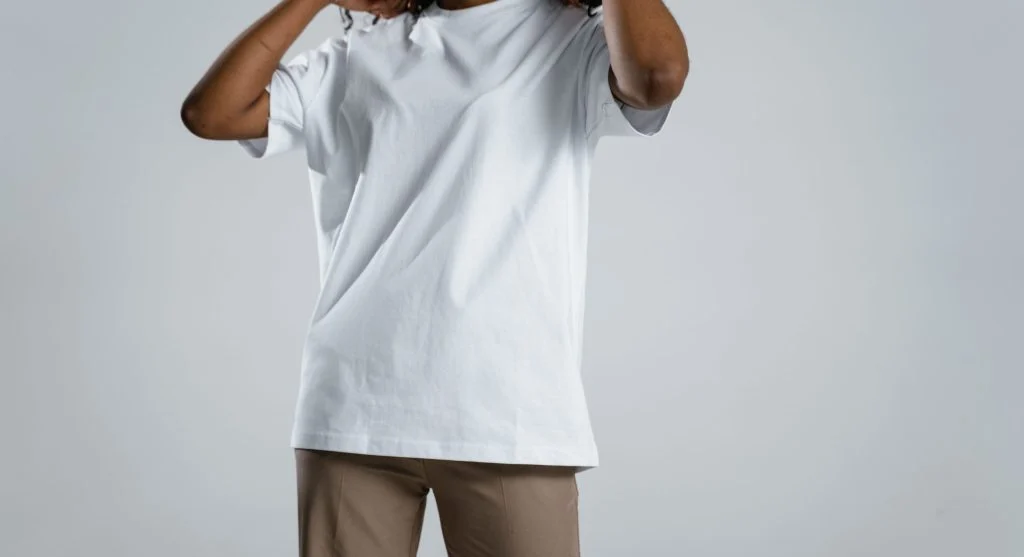
Shoes often determine whether an outfit feels complete or disconnected. Sometimes the clothing creates one impression while the shoes suggest something entirely different. A polished outfit may suddenly feel too casual, while a relaxed outfit can become unnecessarily heavy.
Rather than focusing only on matching colors, think about whether the shoes support the overall mood of the outfit.
They do not need to be identical to the rest of the look. They simply need to feel as though they naturally belong with everything else you are wearing.
3. Give the Waistline Some Definition
A clearly defined waist often makes everyday outfits appear much more intentional. This does not require fitted clothing or dramatic shaping.
Simple adjustments can make a noticeable difference, including:
- A neat front tuck
- A subtle belt
- Choosing a top with a more balanced length
- Creating a clearer break through the middle of the outfit
These small changes often improve proportion immediately, especially with shirts, trousers, skirts, and casual dresses.
4. Repeat One Visual Element
Many well-balanced outfits quietly repeat one styling idea throughout the look.
This might be:
- A similar color family
- A consistent texture
- Repeated clean lines
- A shared level of formality
Repeating a single visual theme helps guide the eye naturally through the outfit. For example, a soft slouchy bag may pair well with relaxed shoes, while structured trousers often look stronger with a tailored outer layer.
These subtle repetitions make simple clothing appear more thoughtfully styled without creating unnecessary complexity.
5. Keep One Part of the Outfit Quiet
When trying to improve an outfit, it is tempting to add more details everywhere.
In reality, restraint often creates a stronger result.
If your shoes and bag already stand out, the clothing above them can remain simple. Likewise, if the silhouette is already making a statement, understated accessories often create better balance.
Allowing one area of the outfit to stay visually calm gives the eye somewhere to rest, making the entire look feel more composed.
6. Add One Strong Finishing Piece
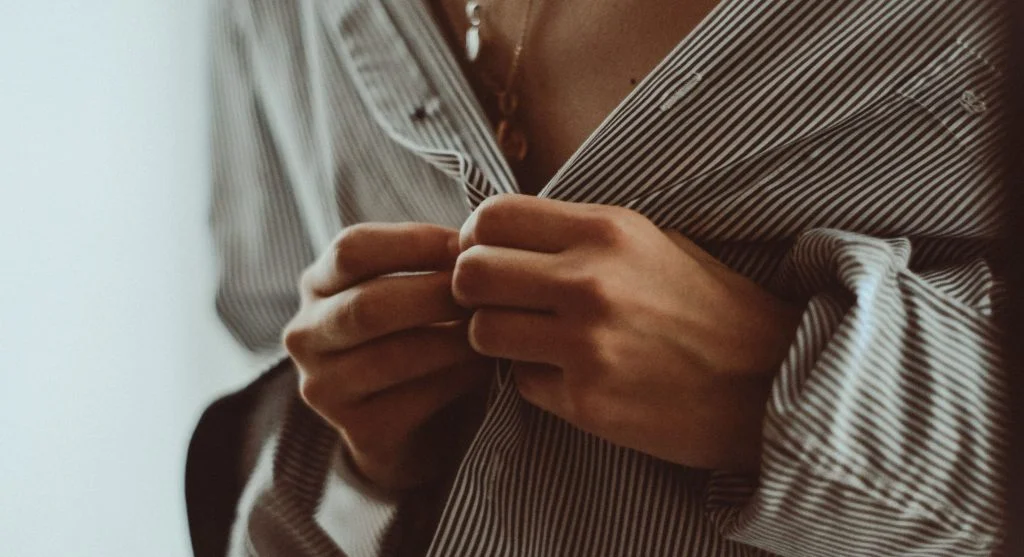
A standout bag, refined pair of shoes, or structured jacket can elevate an outfit, but it works best when the clothing underneath already feels balanced.
One effective styling habit is making sure the foundation of the outfit looks complete before introducing a stronger finishing piece.
When the basics already work together, one carefully chosen item enhances the overall look instead of competing for attention.
7. Step Back Before You Leave
One of the simplest styling habits is also one of the most overlooked.
Before heading out, take a few steps back and look at the entire outfit from a distance.
Viewing the outfit as a whole often reveals details that are easy to miss up close, such as:
- Shoes that feel too heavy
- Sleeves that need adjusting
- A bag that looks too formal
- One piece that interrupts the overall balance
Many outfits are only one small adjustment away from feeling complete. A quick final check often prevents unnecessary styling mistakes.
Why These Styling Habits Work So Well
The best part about these adjustments is that they fit naturally into everyday life.
They do not require buying a new wardrobe, following every fashion trend, or spending extra time getting dressed. Instead, they improve the clothes you already own by making small, thoughtful refinements.
For many people, stronger personal style comes from paying closer attention to these finishing details rather than constantly adding more pieces.
Frequently Asked Questions
Q: What are small styling moves?
A: Small styling moves are minor outfit adjustments, such as refining sleeves, choosing better shoes, or defining the waistline, that help simple clothes look more intentional.
Q: Why do small changes affect outfits so much?
A: They affect outfits strongly because everyday looks are often built from basics, so proportion, finishing, and balance become more visible than in louder or more complex looks.
Q: Do thoughtful outfits always need more accessories?
A: No. In many cases, a more thoughtful outfit comes from better control of the clothing already there rather than adding more visible extras.
Q: What is the easiest small styling move to try first?
A: One of the easiest is checking whether the shoes support the mood of the outfit and whether the waistline or sleeve line needs a small adjustment for better balance.
Key Takeaway
Small styling adjustments can make everyday outfits look far more thoughtful without requiring extra effort or new clothing. Refining sleeve lines, choosing shoes that support the outfit’s mood, defining the waist, repeating subtle design elements, and making one final visual check often have a greater impact than adding more accessories. For many people, the secret to better everyday style is not owning more it is making smarter finishing decisions with the pieces already in the wardrobe.

Related Posts
Why One Steady Base Layer Shape Can Make Everyday Outfits Feel Easier to Build and More Polished
Why One Calm Outfit Anchor Can Make Everyday Looks Feel More Steady From First Piece to Last