

Why Matching the Outfit Mood Matters More Than Matching Every Item Exactly
Many people try to build outfits by matching every visible detail as closely as possible. They look for shoes that perfectly match the bag, colors that align exactly, or pieces that only seem connected when the similarities are obvious. While that approach can work, it often creates more effort than necessary in everyday dressing. An outfit can still feel slightly off even when several elements match perfectly on paper.
The reason is that strong outfits rely on more than exact coordination. They rely on mood. When clothing, shoes, and accessories feel like they belong to the same visual world, the outfit usually appears more natural, cohesive, and complete even when the pieces are not identical in color, texture, or shape.
What Outfit Mood Really Means
Outfit mood is the overall feeling a look creates.
An outfit might feel polished, relaxed, structured, soft, minimal, effortless, or sharp. This impression comes from the combination of multiple elements, including fabrics, silhouettes, footwear, accessories, and color choices.
Most people do not consciously think about mood while getting dressed, but they often recognize immediately when an outfit feels harmonious or when something feels out of place.
This is why mood can create a stronger sense of unity than exact matching. A bag does not need to perfectly match a pair of shoes if both contribute to the same overall tone of the outfit.
Why Perfect Matching Can Still Feel Wrong
Many outfits contain pieces that technically coordinate but still do not feel right.
A structured formal handbag may match the color of the shoes exactly, yet feel overly polished when paired with relaxed clothing. Likewise, a sporty sneaker might coordinate with a top but clash with the more refined mood created by the rest of the outfit.
In situations like these, matching colors or details does not solve the underlying issue.
Stylists often describe successful outfits as having a shared energy. The pieces do not need to be identical, but they should feel as though they were chosen with the same intention in mind.

How Shoes Often Set the Mood First
Footwear is one of the strongest mood indicators in an outfit.
A clean loafer can instantly make simple clothing feel more polished. Minimal flats often create a calm and refined appearance. Relaxed sneakers introduce ease, while chunkier footwear can add structure and visual weight.
Because shoes influence the tone of an outfit so quickly, it is often more important that they support the mood than that they match another item exactly.
This is why changing only the shoes can completely transform a look. In many cases, the problem was never color coordination—it was mood alignment.
Why Bags Need to Support the Same Feeling
Bags communicate mood just as strongly as shoes.
A soft, slouchy bag creates a very different impression than a sharply structured handbag, even if both are the same color. Similarly, woven textures and lightweight materials often feel more casual and seasonal than polished leather with rigid construction.
When a bag shares the same emotional tone as the clothing and footwear, the entire outfit tends to feel more believable and cohesive.
This becomes especially noticeable in simple outfits, where a bag that feels too formal or too casual can quietly disrupt the overall balance.
How Fabric Influences Outfit Mood
Fabric has a significant impact on how an outfit feels.
Crisp cotton, soft knitwear, airy linen, structured tailoring, and washed textures all communicate different types of visual energy.
When fabrics work together, they reinforce a clear mood. When they compete with one another without intention, the outfit can begin to feel disconnected.
This is one reason some outfits look naturally harmonious despite having a simple color palette. The fabrics are supporting the same overall story, creating consistency through texture and feel rather than obvious matching.
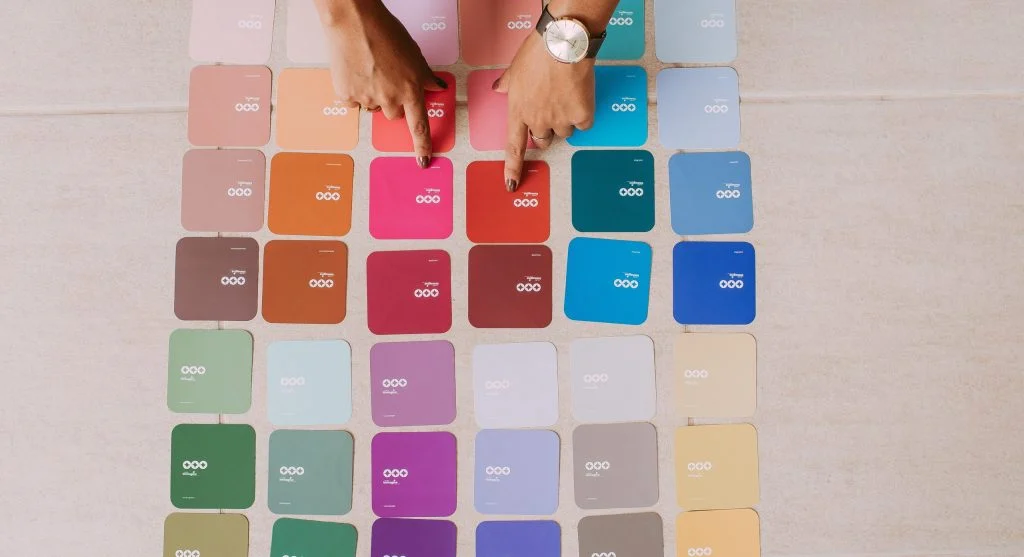
Why Color Still Matters Just Differently
Color remains an important part of outfit harmony, but it does not need to be approached in the strictest way.
Soft, low-contrast shades often create a gentler and more relaxed mood. Richer, darker colors can feel more structured, formal, or dramatic. Earth tones often feel grounded and approachable, while washed or faded shades tend to create a more casual impression.
Instead of asking whether colors match perfectly, it can be more useful to consider whether they support the same feeling.
Thinking in terms of relaxed, polished, warm, cool, soft, or refined often leads to better outfit decisions than focusing solely on exact coordination.
How This Approach Makes Getting Dressed Easier
Focusing on mood rather than perfect matching can simplify daily dressing considerably.
Instead of trying to coordinate every detail, you can ask a more practical question:
Do these pieces feel like they belong together?
That question naturally takes proportion, texture, silhouette, and color into account without requiring strict rules.
For many people, this approach reduces decision fatigue and makes outfit building feel more intuitive. The wardrobe becomes less about following exact formulas and more about creating visual harmony.
Why Mood-Based Dressing Works Especially Well With Simple Wardrobes
Minimal wardrobes often benefit the most from this approach.
Because basic wardrobes rely on fewer statement pieces, subtle details become more important. A simple outfit can feel polished, relaxed, structured, or sophisticated depending on how its components work together emotionally.
You do not need dramatic clothing to create strong personal style. Often, the key is ensuring that the pieces agree on the kind of outfit they are trying to create.
This is why some of the most refined wardrobes appear effortless. The harmony is subtle, but it is consistent.
How to Recognize When the Mood Is Not Working
One common sign is that the outfit feels inconsistent despite technically coordinating.
You might notice that:
- One piece feels as though it belongs to a different occasion
- The outfit looks good item by item but not as a complete look
- Something feels awkward even though the colors work together
- One accessory seems disconnected from the rest of the outfit
These are often indicators that the issue is mood rather than matching.
In many cases, replacing a single item—such as the shoes, bag, or outer layer—is enough to restore balance.
Why Mood-Based Styling Often Feels More Modern
Modern everyday style tends to favor outfits that feel natural rather than overly coordinated.
Mood-based dressing supports this by creating looks that appear thoughtful without seeming overly planned. The outfit feels intentional, but not forced.
For many people, this makes style more approachable and wearable. The focus shifts away from perfect synchronization and toward creating outfits that feel authentic and cohesive.
Frequently Asked Questions
Q: What is outfit mood?
A: Outfit mood is the overall feeling of a look, such as polished, relaxed, structured, soft, or minimal, created by the clothing, shoes, colors, textures, and accessories together.
Q: Why is outfit mood more important than exact matching?
A: It is often more important because an outfit feels stronger when all the pieces support the same visual tone, even if they do not match perfectly in color or detail.
Q: Can shoes and bags affect outfit mood a lot?
A: Yes. Shoes and bags often shift the mood of an outfit very quickly, which is why they need to support the same general tone as the rest of the look.
Q: How can I tell if my outfit mood is off?
A: If the outfit feels inconsistent, slightly awkward, or as if one piece belongs to a different kind of look, the mood may not be aligned even if some details technically match.
Key Takeaway
Matching outfit mood is often more important than matching individual items exactly. The strongest everyday outfits usually succeed because their shoes, bags, fabrics, colors, and silhouettes all support the same overall feeling. When every piece contributes to a shared mood, the outfit feels more natural, polished, and complete. For many people, dressing becomes much easier once they stop chasing perfect matching and start focusing on creating visual harmony instead.

Related Posts

Why One Clear Mid-Outfit Shape Can Make Everyday Looks Feel More Controlled Without Feeling Too Styled

Why One Clear Start-and-Finish Shape Can Make Everyday Outfits Feel More Complete Without Extra Styling