Why Ignoring Outfit Weight Can Make Simple Looks Feel Slightly Off in Everyday Dressing
Some outfits can feel slightly off even when none of the individual pieces seem wrong. The shirt works, the trousers fit reasonably well, and the shoes look perfectly acceptable on their own. Yet when everything comes together, the outfit still feels unsettled. Often, the reason has less to do with the items themselves and more to do with how their visual weight is balanced. One part of the look may feel too heavy, another too light, creating an overall impression that something is not quite working—even if it is difficult to identify exactly what.
Outfit weight is one of the less obvious elements of personal style, but it has a significant impact on how polished and intentional an outfit appears. It is influenced by factors such as shape, fabric, shoe bulk, bag size, color intensity, and overall visual density. When these elements are out of balance, even the simplest outfit can lose the calm, put-together quality that makes everyday dressing look effortless.
What Outfit Weight Really Means
Outfit weight is not just about how heavy clothing feels when worn. It is also about how heavy it appears visually.
A chunky boot generally carries more visual weight than a slim flat. A structured dark jacket often feels heavier than a lightweight overshirt. A large tote bag tends to attract more attention than a small crossbody. All of these factors influence how the eye travels through an outfit.
This matters because clothing is rarely viewed as separate pieces. People see the entire look as one visual composition. When the balance feels uneven, the outfit can appear less intentional, even if every individual item works well on its own.
Why Simple Outfits Make the Problem More Noticeable
Minimal outfits often rely heavily on proportion and balance.
When a look consists of a basic top, practical bottoms, and simple footwear, there are fewer elements competing for attention. As a result, any imbalance becomes easier to notice.
A single heavy piece can have a much greater effect in a simple outfit than it would in a more layered or detailed look.
This is one reason stylists often emphasize proportion when discussing everyday style. Simplicity tends to highlight both good and bad balance more clearly.
How Heavy Footwear Can Change an Entire Outfit
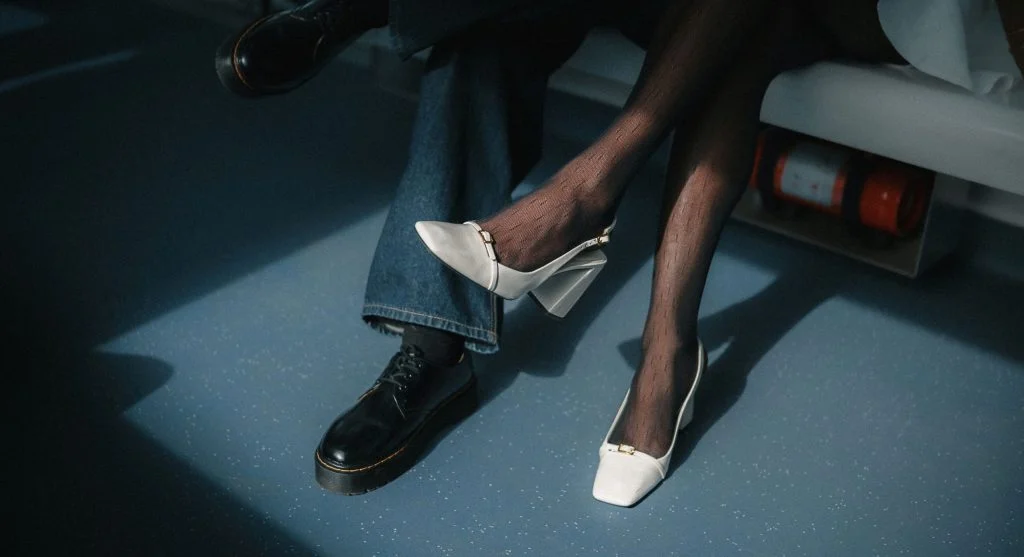
Footwear is one of the most common sources of visual imbalance.
Chunky boots, thick-soled trainers, and heavy dark shoes can add a strong sense of grounding to an outfit. In the right combination, they create stability and structure.
However, when paired with lightweight fabrics, airy silhouettes, or delicate pieces, they can make the outfit feel excessively bottom-heavy.
This does not mean heavier shoes should be avoided. It simply means the rest of the outfit often needs enough visual support to match them. Stronger layers, richer colors, or more structured garments can help create that balance.
Why Bags Matter More Than Many People Realize
Bags are often treated as finishing touches, but they contribute significantly to outfit weight.
A large tote, a structured handbag, or a dark bag with prominent hardware can introduce a surprising amount of visual density. In a soft, understated outfit, the bag may end up drawing more attention than intended.
The most balanced outfits usually feature bags that complement the clothing rather than compete with it.
The goal is not to make the bag invisible. It simply needs to work in harmony with the rest of the look.
How Dark Colors Add Visual Heaviness
Color plays a major role in visual weight.
Darker shades generally appear heavier than lighter ones, especially when combined with structured silhouettes or thicker materials.
A black blazer paired with dark shoes and a substantial bag can create a striking outfit. At the same time, it may feel overly dense if the rest of the look is soft, light, or delicate.
This does not mean dark colors should be avoided. It simply helps to recognize that darker pieces naturally carry more visual presence and often benefit from balance elsewhere in the outfit.
Sometimes adding a lighter element is enough to make the entire look feel more comfortable and cohesive.
The Influence of Fabric Thickness
Fabric weight contributes to visual weight as well.
Chunky knits, stiff denim, tailored jackets, and heavy trousers tend to create a stronger visual presence. In contrast, lightweight cottons, fluid fabrics, and softer materials generally appear lighter.
When too many substantial fabrics are combined, the outfit can begin to feel visually dense. On the other hand, when everything is extremely lightweight, the outfit may seem unfinished or lacking structure.
Many successful outfits balance heavier and lighter materials so that the overall look feels stable without appearing overloaded.
How Top-Heavy Outfits Develop
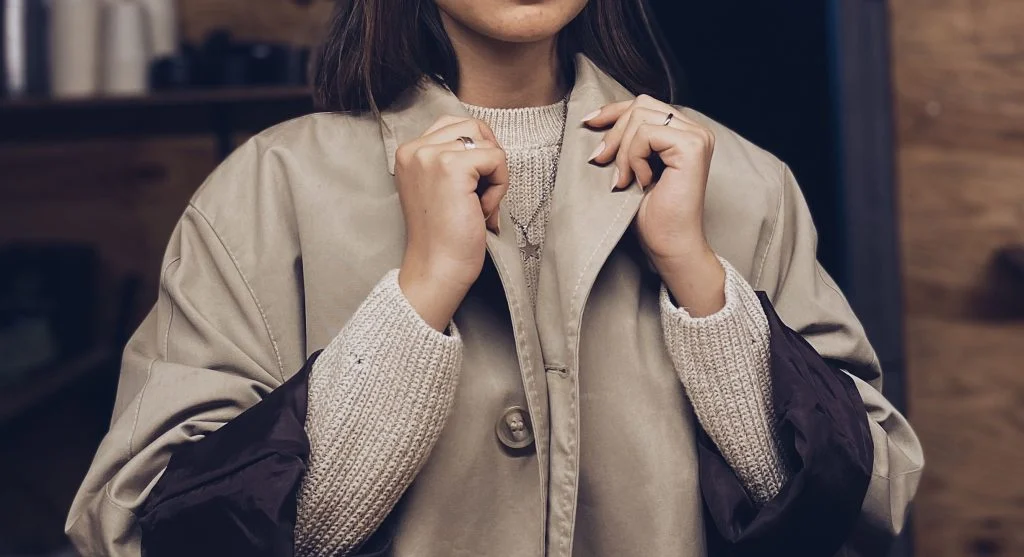
Some outfits feel unbalanced because most of the visual weight is concentrated above the waist.
A dark blazer, a large scarf, a bold neckline detail, and a prominent bag strap can all draw attention upward. When the lower half remains visually light, the outfit may feel top-heavy.
The eye naturally settles on the upper portion of the look and struggles to move comfortably through the rest of it.
In many cases, balance can be restored by introducing a stronger shoe, a more structured trouser, or by simplifying one of the heavier details near the top.
How Bottom-Heavy Outfits Happen
The opposite issue occurs when too much visual weight sits below the waist.
Chunky footwear, dark trousers, and a larger bag can pull attention downward, especially when the upper half of the outfit is minimal.
As a result, the look may seem weighed down or slightly disconnected.
Adding more structure, definition, or visual interest to the upper half often helps create a better balance. This could come from a stronger layer, a cleaner neckline, or a top with a more defined shape.
The objective is not perfect symmetry but a sense of visual support throughout the outfit.
Why Balance Often Looks More Expensive Than Complexity
Many people assume that stylish dressing requires more detail, more layers, or more statement pieces.
In reality, balance often has a greater impact than complexity.
An outfit with well-distributed visual weight tends to feel calmer, more intentional, and more polished. Even simple clothing can look refined when the proportions are working together.
This is one reason understated outfits can appear so effective. Their strength often comes from balance rather than excess.
How to Evaluate Outfit Weight Before Leaving the House
A useful habit is to step back and identify where the visual weight is concentrated.
Ask yourself:
- Is the heaviest element at the feet?
- Does the upper half dominate the outfit?
- Is the bag drawing too much attention?
- Does one area feel noticeably denser than the rest?
If one section stands out too strongly, a small adjustment may improve the overall balance.
Sometimes the solution is as simple as switching shoes, choosing a different bag, or adding a supporting piece elsewhere in the outfit.
The more you practice noticing visual weight, the easier it becomes to understand why certain outfits feel naturally balanced while others seem slightly off.
Frequently Asked Questions
Q: What is outfit weight in fashion?
A: Outfit weight is the visual heaviness or lightness created by clothing pieces through shape, color depth, shoe bulk, fabric density, and accessory presence.
Q: Why do some simple outfits feel slightly off?
A: They often feel off because the visual weight is not balanced properly, so one part of the outfit seems heavier or more dominant than the rest.
Q: Are chunky shoes always a styling problem?
A: No. Chunky shoes can work very well, but they usually need enough visual support elsewhere in the outfit so the look does not become too bottom-heavy.
Q: What is the easiest way to fix outfit weight?
A: The easiest fix is often changing one heavy element, such as the shoes or bag, or adding more support in a lighter part of the outfit so the full look feels more balanced.
Key Takeaway
Outfit weight plays a major role in how balanced and polished a look feels. Shoes, bags, dark colors, and heavier fabrics all contribute to visual heaviness, often more than people realize. When one area of an outfit carries too much weight, even well-chosen pieces can feel slightly off together. Paying attention to how visual weight is distributed across the entire look helps create outfits that feel more balanced, intentional, and effortlessly put together.