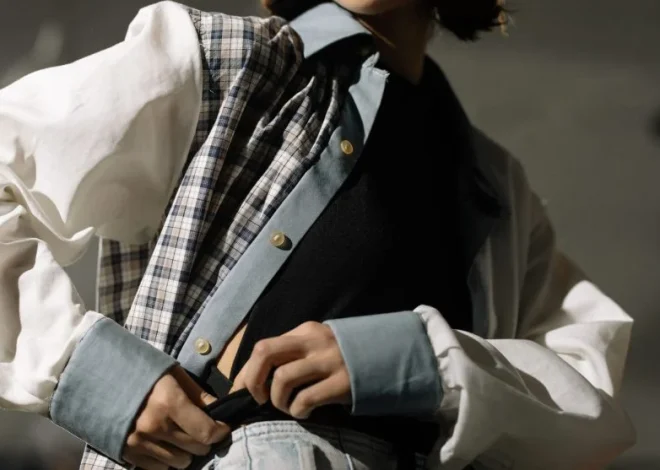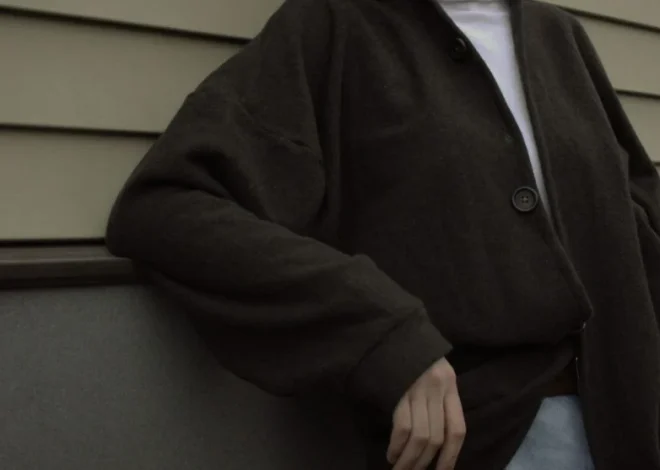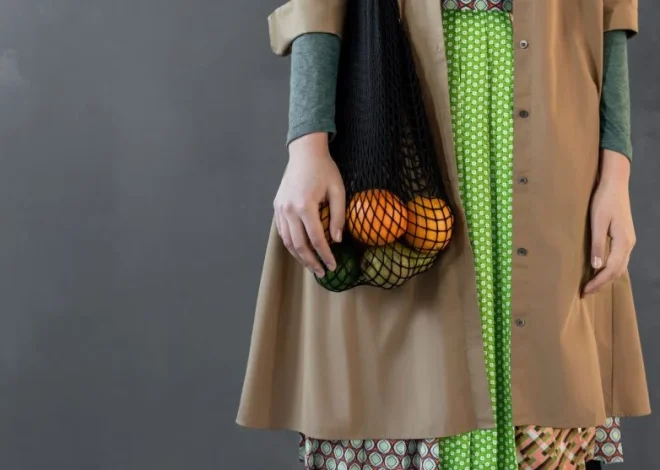

Why Relying on One Outfit Shortcut Too Often Can Make Daily Style Feel Less Thoughtful
What an outfit shortcut actually means
An outfit shortcut is a repeated styling move used to make dressing easier. This might be a favorite layer added to every outfit, a consistent shoe used as a default solution, one repeated tuck, one reliable silhouette, or one accessory that seems to rescue the look every time. Shortcuts are not automatically a problem. In fact, they often help wardrobes feel manageable. The issue begins when one shortcut appears so often that it starts weakening the rest of the outfit instead of supporting it.
This matters because good style usually depends on support between pieces, not just on habit. A shortcut works best when it helps the outfit. It becomes less useful when the outfit begins existing only to justify the shortcut.
Why readers depend on the same shortcut so easily
Daily life rewards speed. Once one styling move seems to work well, it makes sense to repeat it. A reliable formula removes uncertainty, lowers decision fatigue, and helps the morning move faster. Over time, though, the shortcut may start appearing in situations where it is no longer the strongest choice. It stops being one helpful tool and starts becoming the only tool the wardrobe knows how to use.
Stylists often explain that wardrobe ease should come from having several useful answers, not from forcing one answer onto every outfit. The strongest closets usually repeat ideas, but not in a way that makes every look feel solved by the exact same move.
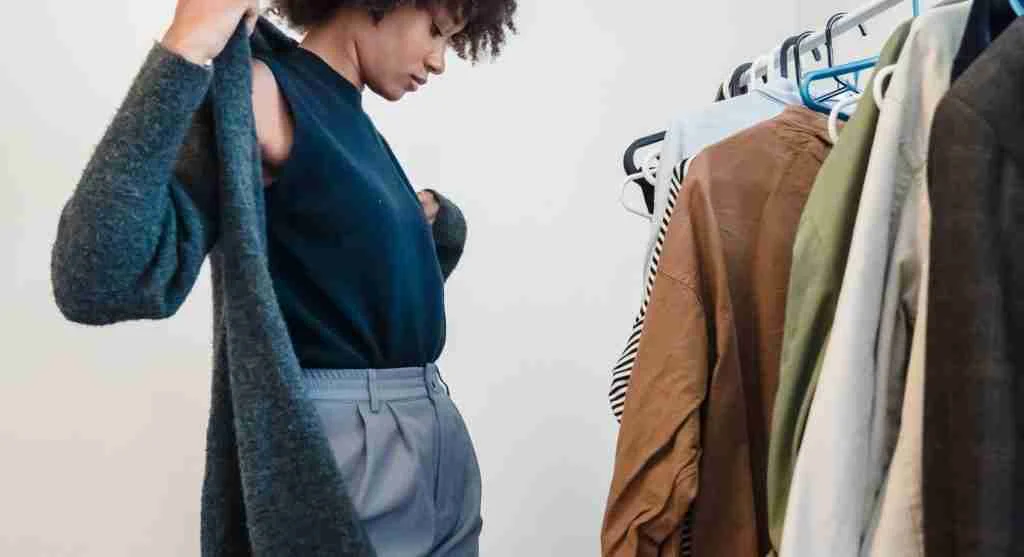
How one repeated layer can flatten the wardrobe
One of the most common shortcuts is using the same layer to finish every outfit. A cardigan, overshirt, blazer, or light jacket may be genuinely useful, but if it appears in almost every look regardless of weather, proportion, or outfit mood, it can start limiting the wardrobe instead of helping it. Readers may think the layer is creating consistency, when it may actually be covering opportunities for better balance elsewhere.
This is one reason some wardrobes feel repetitive even when they contain many good clothes. The repeated layer becomes the loudest pattern in the closet, and the rest of the pieces stop getting a chance to create different kinds of balance.
Why the same shoe shortcut can cause the same problem
Shoes often become a shortcut because they solve comfort and practicality at once. But one dependable shoe can start showing up in outfits that would be stronger with a different finish. A wardrobe may become too dependent on one sneaker, loafer, sandal, or boot simply because it feels easy. That ease can be helpful, but it can also make daily style feel more automatic if the shoe keeps overriding better silhouette choices.
Readers often notice this when outfits start feeling predictable from the bottom first. The clothes may change, but the visual ending stays the same every day, which can make the whole wardrobe seem less thoughtful than it actually is.
How styling habits can become invisible over time
One reason repeated shortcuts are hard to notice is that they stop looking like choices. They begin feeling like part of the person’s dressing identity. A partial tuck, sleeve roll, crossbody bag, or repeated trouser shape may no longer register as a styling move at all. But the eye still sees it, and repeated overuse can quietly narrow the range of the wardrobe.
This matters because readers often think they need more clothing when the real issue is that one styling habit is being asked to do too much. More variety sometimes comes not from adding new pieces, but from loosening one repeated habit enough for the existing wardrobe to breathe again.
Why the shortcut may be hiding a real wardrobe gap
Sometimes a repeated shortcut is not only habit. It is compensation. A reader may always add the same blazer because tops alone do not feel complete. They may always choose the same shoe because other shoes do not support the wardrobe well. They may always use the same bag because the rest of the accessories do not feel reliable. In these cases, the shortcut is pointing to a deeper issue.
This is why it helps to ask what the shortcut is solving. If it always rescues the same part of the outfit, the wardrobe may need more support in that area rather than even more dependence on the same repeated fix.
How to tell when a shortcut has become too dominant
One sign is that readers can predict the finishing move before the outfit is even built. Another is that many outfits begin feeling too similar despite using different clothes. The shortcut may also start appearing even when it does not really improve the silhouette or mood. These are usually signs that the move is no longer serving the outfit with enough care.
Readers may also notice that removing the shortcut makes the outfit feel weak, which often means the wardrobe has become too dependent on it. In that case, the answer is not necessarily to ban the shortcut. It is to reduce its control over the full styling process.
Why the best fix is usually variation, not total removal
Most shortcuts became habits for a reason. They often are useful. The goal is not to stop wearing a reliable blazer or favorite shoe forever. The goal is to create a second and third option that can solve similar problems. Once readers have more than one dependable route to finish an outfit, the wardrobe begins feeling more thoughtful again.
This kind of variation matters because it keeps ease in the wardrobe without letting ease turn into sameness. The reader still gets practicality, but the outfit starts having more room to respond to the actual day.
How this makes daily dressing look more polished
Outfits often seem more polished when they look chosen rather than automatic. When one shortcut stops dominating every look, the eye begins noticing better balance between the pieces. The clothing appears more responsive to proportion, mood, weather, and silhouette. That makes the wardrobe feel less mechanical and more intentional.
For many readers, this is one of the most useful style adjustments they can make. Better daily dressing does not always come from more fashion. Sometimes it comes from using one familiar trick a little less often and letting the rest of the wardrobe speak more clearly.
Frequently Asked Questions
Q: What is an outfit shortcut?
A: An outfit shortcut is a repeated styling move, such as the same layer, shoe, tuck, or accessory, used to make dressing feel easier and faster.
Q: Why can relying on one shortcut too often make style feel less thoughtful?
A: It can make style feel less thoughtful because the same move starts dominating every outfit, which reduces variety and can weaken the balance of individual looks.
Q: Does that mean outfit shortcuts are bad?
A: No. Shortcuts are often very useful. The problem begins only when one shortcut becomes the main solution for almost every outfit instead of one helpful option among several.
Q: How can I fix this without making dressing harder?
A: Keep the shortcut, but build one or two alternate solutions that can do similar work so the wardrobe stays easy without feeling repetitive.
Key Takeaway
Relying on one outfit shortcut too often can make daily style feel less thoughtful because the same finishing move starts replacing real outfit balance. When readers add a little more variation and let different pieces solve different styling problems, daily looks often seem calmer, more responsive, and more intentional. For many wardrobes, stronger style begins when one helpful trick stops carrying the entire routine by itself.