Why One Steady Outfit Rhythm Can Make Simple Daily Looks Feel More Intentional
What outfit rhythm actually means
Outfit rhythm is the sense of repeated visual movement inside a look. It may come from a similar level of structure across several pieces, from repeated clean lines, from balanced spacing between one garment and the next, or from a calm alternation between softer and firmer elements. The eye notices whether the outfit feels jumpy or smooth, even if readers do not consciously name that feeling.
This matters because style often looks polished when it feels organized. Rhythm helps create that organization. It allows the outfit to read as one connected look instead of as several separate choices placed together at the last minute.
Why simple outfits need rhythm more than dramatic ones
When outfits do not rely on bold prints, strong color blocking, or obvious statement pieces, smaller structural details become more important. The clothing has less noise to hide behind, which means the eye pays more attention to how the parts relate. If the outfit has no steady rhythm, the whole look may seem flat in one place and too abrupt in another.
Stylists often explain that strong basics need stronger internal logic. Rhythm is part of that logic. It gives simple clothing a way to feel intentional without making it look overworked.
How abrupt outfit changes weaken the look
An outfit often loses rhythm when one section behaves very differently from the rest without enough support. A very sharp layer may sit above a very soft and undefined lower half. A clean minimal top may suddenly end in a shoe that feels much heavier than everything above it. A relaxed outfit may be interrupted by one piece that introduces a much harder mood than the rest of the look is building.
These shifts are not always wrong, but they often create a stop-start effect. The eye has to work harder to understand the clothing, which is why the outfit may feel less settled than it should.
Why repeated line quality helps so much
One of the easiest ways to create rhythm is through repeated line quality. If a wardrobe leans on clean straight lines, soft structured shapes, or gentle open layers, those same kinds of lines usually help each other when repeated. This does not mean every piece must be identical. It means the lines should feel related enough that the outfit can move naturally from one part to the next.
This is one reason some wardrobes feel more coherent even with a wide range of pieces. The lines keep speaking the same language, so the outfit rarely feels as though it is changing personality halfway through.
How lengths contribute to rhythm
Length changes can either help rhythm or disturb it. A top that ends clearly, a layer that falls in a useful place, and a hem that supports the lower half all help the eye move more smoothly. But when lengths keep stopping in uncertain places, the outfit can begin feeling choppy. Readers often experience this as an outfit that seems “almost right” but never fully settles.
This is why dependable hem lengths, useful top lengths, and practical layers matter so much. They do not only fit the body. They help the outfit maintain a better pattern from start to finish.
Why shoes should continue the rhythm instead of resetting it
Shoes often decide whether the outfit ends well. A practical shoe that supports the overall line and mood helps the look keep its rhythm all the way to the bottom. A shoe that feels too sudden, too heavy, or too unrelated may reset the whole look at the last second. That can make the outfit feel less intentional even when everything above the ankle was working well.
This is one reason consistent shoe shapes often strengthen everyday style. They help preserve rhythm instead of forcing the outfit to start over visually at the bottom.
How texture can either support or interrupt rhythm
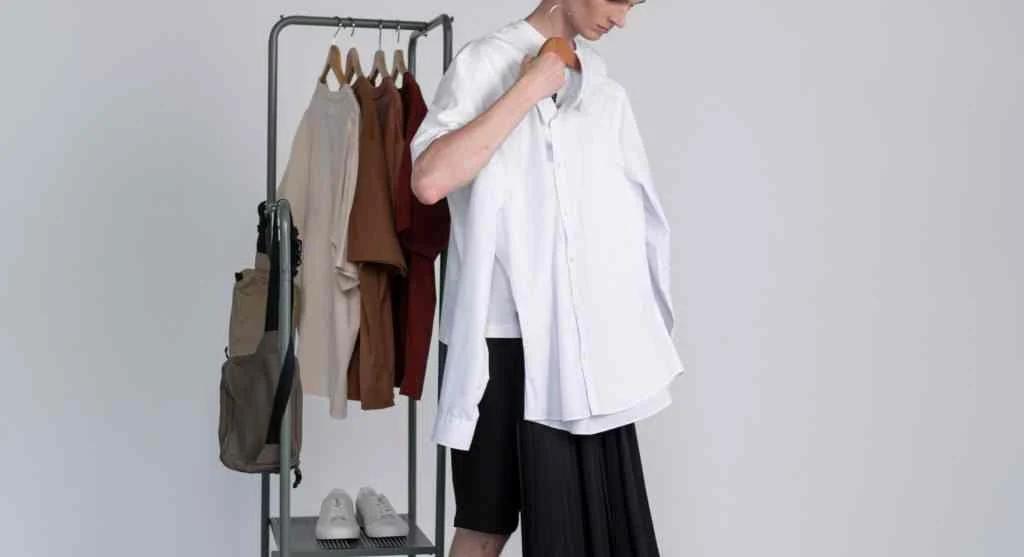
Texture influences outfit rhythm in a quieter way. If the clothing moves from one surface finish to another too abruptly, the look can begin feeling visually jumpy. But when textures support one general mood, the outfit usually feels more unified. A soft matte knit, a washed cotton shirt, and a calm woven trouser often build rhythm more easily than several unrelated surface finishes fighting for attention.
This is why outfits sometimes improve without any silhouette change. The pieces may already fit well, but their textures need to stop interrupting one another so strongly.
Why rhythm makes wardrobes easier to repeat
Readers usually trust outfits more when they can feel why those outfits work. Rhythm helps because it creates a pattern that can be repeated across different pieces. One dependable trouser shape may keep working because it supports the same kinds of tops. One useful layer may repeat because it fits the same visual pace as the rest of the wardrobe. Once this becomes visible, the closet starts feeling easier to use.
That kind of repeatability matters. It means the wardrobe is no longer relying on luck or isolated good outfits. It is relying on a rhythm readers can recognize and rebuild on other days.
How to tell when rhythm is missing
One sign is that the outfit feels fine in parts but unsettled as a whole. Another is that one item always seems to interrupt the look even though it is attractive on its own. Readers may also notice that the eye lands, stops, and restarts several times instead of moving smoothly through the outfit. These are often clues that the clothing needs a steadier pattern more than it needs more interest.
In those moments, the answer may simply be better continuity between the pieces already being worn. The outfit does not need to become louder. It needs to become smoother.
Why steady rhythm often looks more expensive
Outfits with a stronger visual rhythm often seem more polished because they look more controlled. The eye understands them more quickly, which makes the clothing feel deliberate rather than accidental. This is true even when the wardrobe is basic and practical. The impression of refinement often comes from how the pieces move together, not from how bold they are individually.
For many readers, this is one of the most useful style basics to understand. Better everyday outfits often come from calmer rhythm, not more decoration.
Frequently Asked Questions
Q: What is outfit rhythm in fashion?
A: Outfit rhythm is the repeated visual flow created by how lines, lengths, textures, and shapes move together inside one look.
Q: Why does rhythm matter in everyday outfits?
A: It matters because simple outfits often look stronger when the eye can move through them smoothly instead of stopping at abrupt or conflicting changes.
Q: What usually disrupts outfit rhythm?
A: Sudden changes in line, awkward length breaks, overly heavy shoes, unrelated textures, or one piece with a very different mood can all disrupt rhythm.
Q: How can I improve rhythm in a simple outfit?
A: Use pieces with related line quality, clearer lengths, supportive shoes, and textures that work together so the outfit feels more continuous from top to bottom.
Key Takeaway
One steady outfit rhythm can make simple daily looks feel more intentional because it helps lines, lengths, textures, and finishing pieces move together in a calmer way. When the outfit flows instead of stopping and restarting visually, everyday style often feels more balanced and much easier to trust. For many readers, stronger daily dressing begins when the clothing starts working to one pace instead of several competing ones.

Related Posts
Why One Steady Base Layer Shape Can Make Everyday Outfits Feel Easier to Build and More Polished
Why One Calm Outfit Anchor Can Make Everyday Looks Feel More Steady From First Piece to Last