Why One Calm Outfit Transition Point Can Make Daily Looks Feel More Natural and Complete
What a transition point actually means in an outfit
A transition point is the place where one part of the outfit turns into another. This may happen where the top meets the lower half, where a layer opens over a base outfit, where a hem meets the shoe, or where one texture gives way to another. The eye notices these shifts quickly because they help explain how the whole look is built.
This matters because outfits rarely fail due to one individual garment alone. They often feel weak because the spaces between garments are not working well enough. A calmer transition point helps the eye move more naturally, which often makes the look feel more settled from the start.
Why abrupt transitions can weaken simple outfits
Basic outfits rely heavily on flow. There may be no loud print or dramatic detail to distract from how the parts connect. If one garment stops too sharply, if a layer begins too suddenly, or if the shoe changes the visual story too quickly, the outfit may seem more fragmented than it should. The pieces may still be good individually, but the clothing will not read as one smooth idea.
Stylists often explain that polished dressing depends on continuity as much as it depends on proportion. A transition point is part of that continuity. When it becomes calmer, simple outfits often improve very quickly without needing new clothing.
How the middle of the outfit often becomes the most important transition
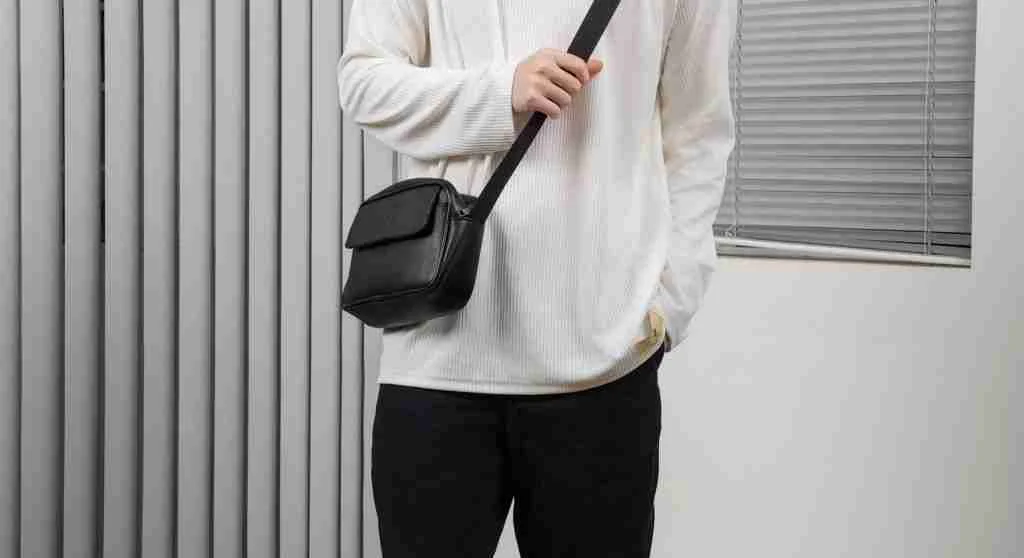
The middle of the silhouette is one of the most sensitive areas in any outfit because it connects the upper and lower halves. If the top hangs too heavily, if the waist area looks uncertain, or if a layer cuts through the body in an awkward way, the full look may lose some of its calm. But when the center of the outfit feels more readable, the eye can move from shoulders to hem much more easily.
This does not mean every outfit needs a sharp waist or a strong tuck. It simply means the shift from upper to lower body should feel natural rather than confused. Even a relaxed outfit often looks better when this central transition is handled more clearly.
Why layer openings often create or solve the problem
Open layers have a strong effect on outfit transitions because they sit right on top of the areas where visual changes are already happening. A cardigan, overshirt, blazer, or light jacket can help the look feel smoother by framing the base outfit and guiding the eye downward. But if the layer opening is too stiff, too long, or poorly matched to the clothing underneath, it can create another abrupt break instead of softening one.
This is why some layers become everyday favorites while others remain harder to wear. The best ones help transitions feel calmer. They do not demand too much attention for themselves.
How hems and shoes create another key transition point
The place where the lower half meets the shoes is another major transition point. A good hem and a supportive shoe often help the outfit land naturally. But when the hem cuts too awkwardly or the footwear changes the mood too sharply, the eye may experience a sudden stop at the bottom of the silhouette. That can make even a strong outfit feel less complete.
This is one reason dependable hems and dependable shoes matter so much in daily style. They do not only finish the outfit practically. They also control how smoothly the outfit reaches its final visual point.
Why fabric changes need softer handling too
Transitions are not only about shape and length. Fabric changes matter as well. A soft washed shirt moving into a very crisp structured bottom can work, but it usually needs enough support elsewhere that the change feels intentional instead of harsh. A calm outfit often uses fabrics that shift in a more readable way, so the eye feels guided instead of interrupted.
This is one reason outfits sometimes improve after a small material change rather than a major style change. The clothing may already be good, but the transition between one fabric mood and another may need softening.
How one calm transition can help the whole look
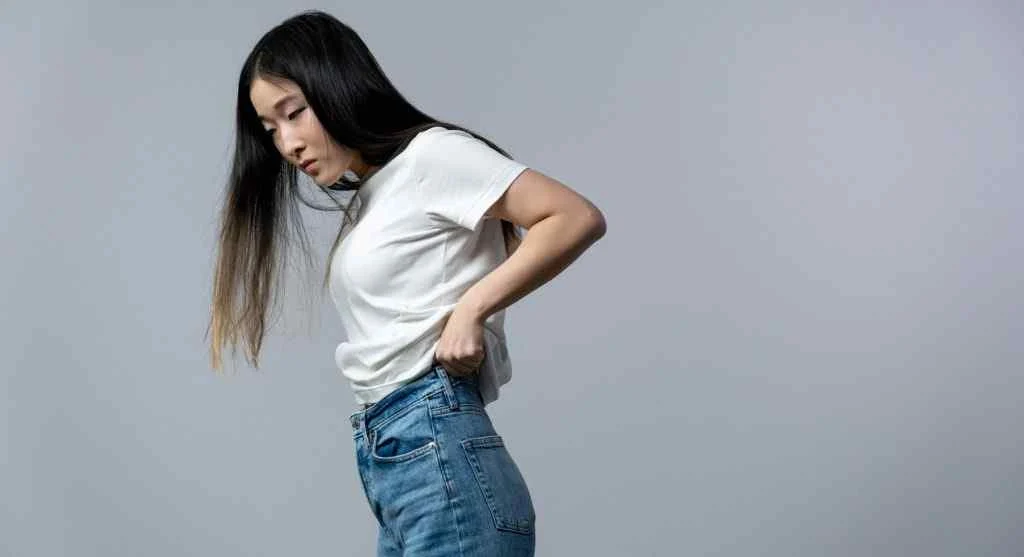
An outfit does not need every transition to be perfect in order to feel stronger. Often one key area handled well is enough to steady the whole look. A cleaner center, a better layer opening, or a smoother bottom finish can provide the visual calm the outfit was missing. Once the eye finds one important place where the pieces relate naturally, the rest of the clothing often feels more trustworthy too.
This is one reason small styling changes can seem so powerful. They may not transform every part of the outfit, but they can improve the one part that was making the whole look feel less settled.
Why this matters so much in repeat dressing
Readers usually repeat the clothes that feel easy to wear. Calm transition points contribute to that ease because they reduce friction inside the outfit itself. The clothing no longer feels like several pieces negotiating with each other. It feels like one idea that can move through the day more naturally. That kind of internal ease often matters more than strong trend value in a working wardrobe.
This also makes the closet easier to understand. Readers begin noticing which combinations feel smoother and which ones keep creating visual stops. Over time, that usually leads to better repeat outfits with much less effort.
How to tell when an outfit needs a calmer transition
One sign is that the outfit feels good in pieces but not as a whole. Another is that one area keeps seeming too sudden, too sharp, or too disconnected from what sits above or below it. Readers may also notice that a small change in tuck, layer, hem, or shoe makes the whole outfit improve immediately. These are often clues that the real issue was not the clothing itself, but the transition between parts.
In those moments, the answer is usually not adding more detail. It is allowing the look to move more smoothly from one section to the next.
Why smoother outfits often look more expensive
Outfits with calmer transition points often seem more polished because they feel more resolved. The eye does not have to keep restarting at each new garment. The clothing appears to belong together in a more natural way. This usually creates a more refined impression even when the pieces are practical and simple.
For many readers, this is one of the most useful everyday style lessons. Stronger outfits often come not from louder pieces, but from quieter movement between the pieces already there.
Frequently Asked Questions
Q: What is a transition point in an outfit?
A: It is the place where one part of the outfit shifts into another, such as where the top meets the lower half, where a layer opens, or where a hem meets the shoe.
Q: Why does a calm transition point make an outfit feel more complete?
A: It helps because it allows the eye to move more smoothly through the clothing, which makes the full look feel more connected and less abrupt.
Q: Which transition point matters most in daily outfits?
A: The middle of the outfit is often the most important, but layer openings and hem-to-shoe transitions also strongly affect how balanced the full look feels.
Q: How can I improve a transition point quickly?
A: Try adjusting the top length, using a softer layer opening, improving the waist area, or choosing a more supportive hem and shoe combination so the outfit flows more naturally.
Key Takeaway
One calm outfit transition point can make daily looks feel more natural and complete because it helps the eye move through the clothing without unnecessary stops or sharp disruptions. When at least one important shift in the outfit feels softer and more readable, simple clothes often start looking more polished right away. For many readers, better everyday style begins when the outfit stops jumping from piece to piece and starts flowing more smoothly as a whole.

Related Posts
Why One Steady Base Layer Shape Can Make Everyday Outfits Feel Easier to Build and More Polished
Why One Calm Outfit Anchor Can Make Everyday Looks Feel More Steady From First Piece to Last