
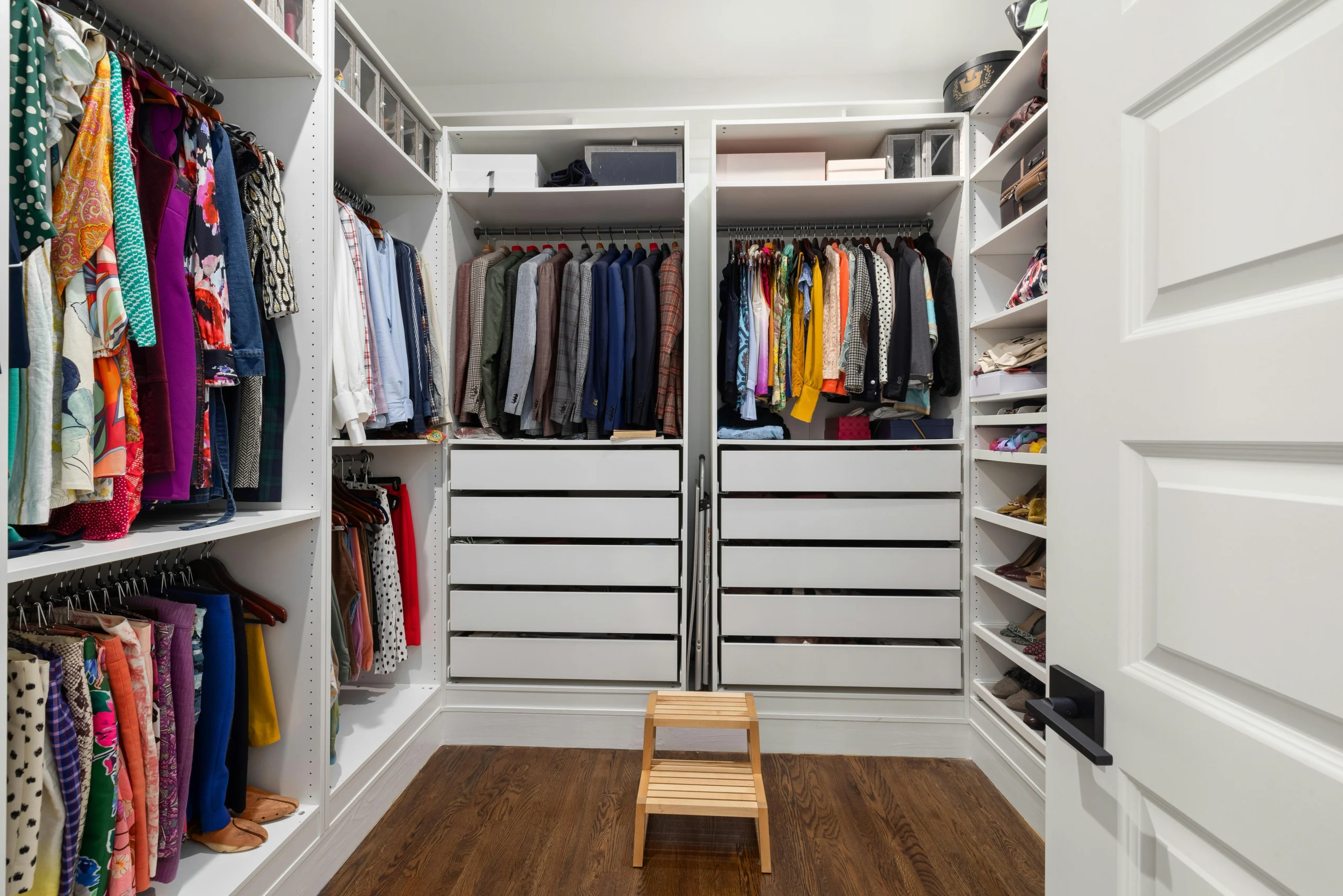
Why Good Wardrobe Tips Usually Start With Less Clothing Stress
Wardrobe tips are often most useful when they reduce clothing stress instead of adding more rules. Many people do not struggle with dressing because they lack enough clothes. They struggle because the closet feels crowded, hard to read, and difficult to use during busy mornings. When too many pieces compete for attention, simple outfit planning can feel harder than it should.Closet organizers, stylists, and wardrobe planners often explain that a better wardrobe starts with clarity. A closet that is easier to understand usually creates less stress, fewer wasted purchases, and more repeatable outfits. Good wardrobe tips are often less about adding and more about removing friction from daily dressing.
Why clothing stress happens even in a full closet
Many readers feel confused by a closet that looks full but still seems to offer nothing easy to wear. This often happens when the wardrobe holds too many isolated pieces, too many difficult colors, or too few basics that connect everything together. The problem is usually not quantity. It is structure.
Wardrobe consultants often note that clothing stress grows when readers have to make too many decisions at once. A closet with no clear system forces the mind to sort through shape, color, weather, comfort, and occasion all at the same time. That can make dressing feel tiring before the day even begins.
How wardrobe tips improve daily outfit planning
Wardrobe tips help because they reduce the number of choices that need to happen under pressure. When clothes are organized by type, color, and use, the wardrobe becomes easier to scan quickly. Outfit planning also improves when readers know which pieces mix well and which ones rarely work in real life.
Stylists often recommend thinking of the wardrobe as a working system rather than a storage space. Once the system becomes clearer, the reader can build outfits with less guesswork and more confidence.

Credit: Ron Lach / Pexels
Why simpler closet planning often works better
Closet planning becomes more effective when it focuses on real life instead of ideal life. Some wardrobes hold clothing for imagined occasions, future versions of style, or shopping moods that never became daily habits. A simpler closet usually works better because it reflects what the reader actually wears.
Professional organizers often say that useful wardrobes are built around repeated routines. Workwear, casual wear, weather layers, and dependable shoes deserve more attention than clothing that rarely leaves the hanger. Simpler planning helps the closet match real needs.
Wardrobe organization should start with visibility
One of the strongest wardrobe tips is to make the most-used clothes the easiest to see. If the best basics are hidden behind rarely worn pieces, the wardrobe may feel smaller and harder to use than it really is. Visibility often changes how often clothing gets worn.
Organizers frequently suggest grouping shirts, trousers, jackets, dresses, knitwear, and shoes in a clear way so readers can compare options quickly. Better wardrobe organization reduces visual clutter and speeds up decision-making.
Why too many “special” pieces can increase outfit stress
Special pieces can add personality to a wardrobe, but they become a problem when there are too many and too few support items around them. A bright jacket, unusual top, statement shoe, or trend-focused trouser often needs simple clothing to balance it. Without those support pieces, getting dressed becomes harder.
Fashion editors often explain that basics are not the dull part of the wardrobe. They are the part that allows stronger pieces to be worn. This is why many wardrobe tips focus on restoring balance instead of filling the closet with more standout items.
How fewer decisions can create better outfits?
Readers often assume style improves through more options, but better outfits frequently come from fewer better choices. A small number of dependable formulas can make mornings smoother. A shirt with straight trousers, knitwear with denim, or a dress with a jacket can all repeat well with small variations.
Wardrobe planners often note that formulas reduce stress because they remove the pressure to invent something entirely new every day. This allows the closet to feel more stable and easier to trust.

Credit: Hanna Pad / Pexels
Why wardrobe tips often begin with editing, not shopping
Shopping may seem like the fastest solution to wardrobe frustration, but it often makes the problem worse if the closet is already unclear. Adding new items without understanding existing gaps can lead to duplicates, mismatched colors, and more visual clutter. Editing usually reveals the real problems more clearly.
Wardrobe consultants often suggest removing pieces that do not fit the routine, do not combine easily, or no longer feel useful. This creates more space for the clothing that actually supports daily dressing. Good wardrobe tips often begin by making the closet easier to read.
How maintenance reduces stress in a working wardrobe
Clothing stress does not come only from bad organization. It can also come from poor condition. Wrinkled shirts, worn shoes, missing buttons, stretched knitwear, or unclear laundry systems can all make the wardrobe harder to trust. A well-maintained closet often feels much calmer.
Garment care specialists often note that small habits such as steaming, brushing, proper folding, and simple repairs can make everyday clothes more reliable. When the clothing is ready to wear, outfit planning becomes easier and faster.
How to keep wardrobe organization useful over time
A closet system only stays helpful if it keeps matching the reader’s life. Weather changes, work routines shift, and personal style becomes clearer over time. That is why wardrobe organization should be reviewed lightly each season rather than rebuilt from scratch. Small reviews keep the closet realistic.
Professionals often suggest asking a few simple questions during these reviews: what gets worn most, what causes the most stress, what feels hard to pair, and what no longer matches daily life. These questions often lead to better wardrobe tips than trend-based shopping lists do.
Frequently Asked Questions
Q: Why do wardrobe tips often focus on organization first?
A: Wardrobe tips often focus on organization first because a clearer closet makes outfit planning easier. When clothes are easier to see and understand, daily dressing usually feels less stressful.
Q: What causes clothing stress in a full closet?
A: Clothing stress often comes from too many isolated pieces, poor wardrobe organization, and too few basics that connect the closet. The issue is usually structure rather than lack of clothing.
Q: How can closet planning become easier?
A: Closet planning becomes easier when it reflects real routines, groups similar clothing together, and relies on repeatable outfit formulas. Simpler systems often work better than complicated ones.
Q: Do better outfits require more clothes?
A: No. Better outfits often come from clearer combinations, stronger basics, and less clutter. Many readers find that fewer better choices reduce stress and improve daily dressing.
Key Takeaway
The best wardrobe tips usually begin with reducing clothing stress, not increasing wardrobe size. Better visibility, simpler closet planning, dependable basics, and lighter maintenance habits can make daily dressing far easier. For many readers, wardrobe tips work best when they turn the closet into a clearer system rather than a more crowded space.

Related Posts

Why One Small Second-Choice Outfit Set Can Make Busy Mornings Feel Less Risky and More Manageable

Why One Small Always-Works Outfit Slot Can Make Daily Dressing Feel Faster and More Reliable