
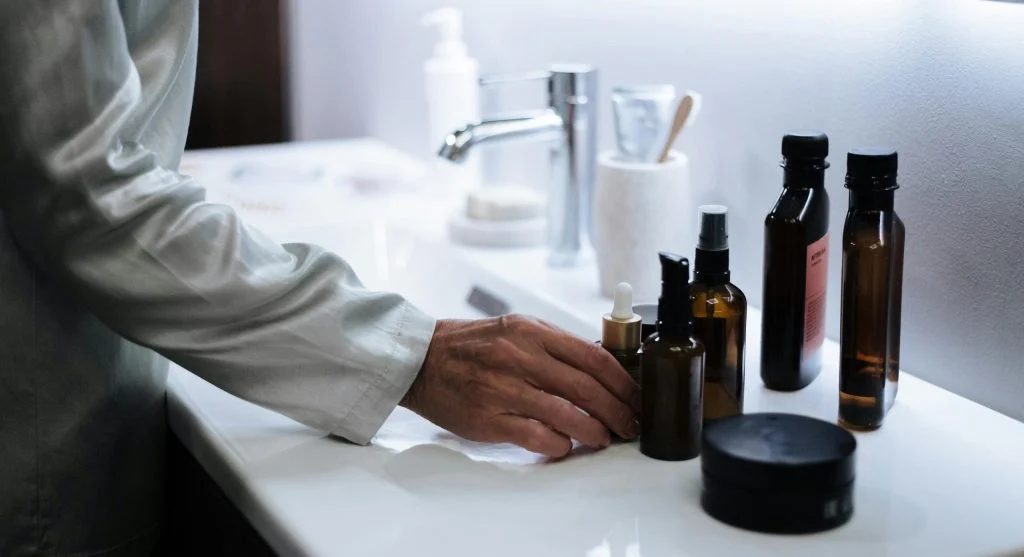
How to Build a Beauty and Grooming Routine That Feels Easy to Maintain
A beauty and grooming routine works best when it feels practical enough to repeat on normal days. Many readers do not need a long list of products or a complicated system. They need a routine that fits mornings, evenings, changing schedules, and the reality of everyday self-care.
Skincare educators, grooming specialists, and habit experts often explain that routines become stronger when they are simple, clear, and consistent. A routine that feels easy to maintain usually does more over time than one that looks impressive but quickly becomes hard to follow.
Why a Beauty and Grooming Routine Should Start With Real Life
Many routines fail because they are built around ideal days instead of normal ones. A plan that takes too long, uses too many items, or depends on perfect timing may feel fine at first, but it often becomes difficult to keep. A beauty and grooming routine should support the schedule instead of competing with it.
Daily self-care works better when it matches real energy levels and real time limits. This is one reason routine experts often suggest starting smaller. A routine that feels manageable on a busy weekday is often more useful than one designed for a quiet day at home.
Step 1: Keep the Routine Area Simple and Easy to Use
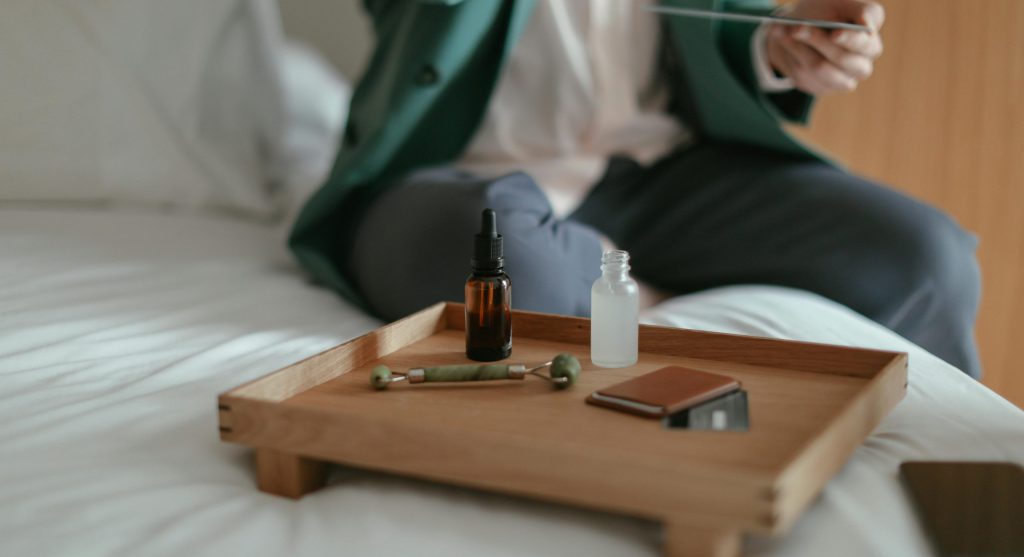
The first step is creating a setup that supports consistent use. A crowded counter can make a simple routine feel more tiring before it even begins. When only the most useful items stay visible, the routine often feels calmer and easier to follow.
Professional organizers often note that visual clutter increases hesitation. A clean mirror area, a small tray for daily products, and an easy place for towels or tools can make beauty and grooming feel more automatic. The goal is not a perfect bathroom. It is a setup that supports daily movement.
Credit: Cup of Couple / Pexels
Step 2: Build the Routine Around Grooming Basics First
Many readers make the mistake of focusing on extra steps before the basics are settled. Grooming basics often include clean skin, tidy hair, neat nails, fresh daily hygiene, and clean tools. These habits usually do most of the work in helping a routine feel polished and dependable.
Grooming professionals often explain that basics should come before additions. A strong beauty and grooming routine is usually built on a few useful habits that support comfort, cleanliness, and consistency. Extra steps can come later if they truly fit the routine.
Step 3: Use the Same Order Each Day
Routines often become easier when the steps happen in a familiar order. This reduces small daily decisions and helps the process feel more automatic. The exact order may depend on the reader’s setup, but consistency usually matters more than the specific sequence itself.
Habit researchers often note that repeated actions in the same environment are easier to maintain. When the beauty and grooming routine follows the same basic flow, it becomes less mentally demanding and easier to keep through busy weeks.
Step 4: Create a Shorter Version for Rushed Days
One of the most practical ways to support daily self-care is to build a short version of the routine. Many routines fail because they only work when there is plenty of time. A better system includes a full version for calmer days and a shorter version for mornings or evenings that feel rushed.
Time-management specialists often say that flexible routines last longer than rigid ones. A shorter beauty and grooming routine may include only the most essential steps, but it still helps protect consistency when the schedule changes.
Step 5: Keep Tools Clean and Ready to Use
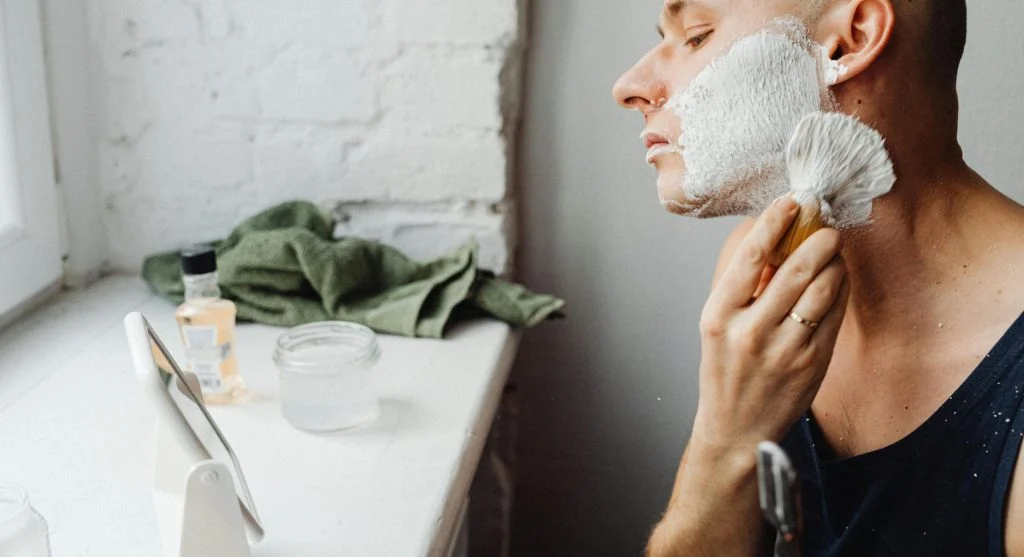
A routine is harder to maintain when the tools feel neglected. Brushes, combs, towels, razors, trimmers, and similar items should be kept clean and stored in a way that makes them easy to find. Grooming basics are not only about products. The condition of the tools also affects how the routine feels.
Personal care specialists often mention that clean tools support cleaner habits. When routine items are already ready to use, beauty and grooming feels faster and more organized. This also removes one common reason people skip part of the process.
Credit: www.kaboompics.com / Pexels
Step 6: Avoid Making Too Many Routine Changes at Once
Changing several habits or products at the same time can make a routine harder to understand. When too much changes at once, it becomes difficult to know what is actually useful and what is only adding confusion. Small adjustments are usually easier to manage.
Consumer behavior experts often observe that too many choices can weaken routine consistency. A beauty and grooming routine tends to work better when it stays stable long enough to feel familiar. Small improvements are usually easier to maintain than complete resets.
Step 7: Let the Routine Shift Slightly With the Season
Weather changes can affect how a routine feels. Warm weather, cold air, indoor heating, and humidity may all influence comfort, timing, and product feel. Still, seasonal changes do not always require a completely new routine. In many cases, a few small adjustments are enough.
Beauty and grooming professionals often recommend gradual changes rather than large ones. A slightly lighter or heavier step, a different timing choice, or a small update to daily self-care can help the routine stay practical without becoming complicated.
Step 8: Focus on Consistency Instead of Perfection
One of the most useful mindset changes is treating consistency as the goal. Readers often look for a perfect routine, but a practical routine followed regularly usually provides more value. Missing a step sometimes does not ruin the system. The strength of the routine comes from returning to it again and again.
Experts in habit building often explain that progress comes from repetition more than intensity. A beauty and grooming routine becomes easier to maintain when it is seen as a regular support habit instead of a performance that must be done perfectly every day.
How Daily Self-Care Becomes Easier Over Time
Daily self-care often feels easier once the routine no longer depends only on motivation. A simple setup, a clear order, clean tools, and realistic expectations all reduce friction. Over time, the routine becomes part of the day instead of a separate challenge that needs extra energy.
For many readers, the strongest beauty and grooming routines are not the most detailed ones. They are the ones that stay useful across busy mornings, tired evenings, and ordinary weeks. A routine that fits real life is usually the one that lasts.
Frequently Asked Questions
Q: What makes a beauty and grooming routine easier to maintain?
A: A beauty and grooming routine usually becomes easier to maintain when it is simple, organized, and realistic enough for daily life. Clean tools, a steady order, and a shorter version for busy days also help.
Q: How many steps should a simple routine have?
A: There is no exact number. A simple routine should include enough steps to support daily self-care without making the process feel heavy or difficult to repeat.
Q: Why do grooming routines often fail after a short time?
A: Grooming routines often fail when they are too long, too complicated, or built around unrealistic schedules. A more practical routine is usually easier to keep over time.
Q: Should a beauty and grooming routine change often?
A: No. Small changes may help when seasons or daily needs shift, but frequent major changes can make the routine harder to follow. Stability usually supports better consistency.
Key Takeaway
A beauty and grooming routine is often easier to maintain when it focuses on simple steps, basic grooming habits, and realistic daily routines. Clean tools, a clear routine order, and a shorter version for busy days can make daily self-care feel more manageable without adding extra pressure. For many people, the best beauty and grooming routine is one that stays practical, consistent, and easy to repeat every day.

Related Posts

Why One Small End-of-Routine Reset Zone Can Make Daily Grooming Feel Cleaner and Easier the Next Morning

Why One Steady Hand-Level Routine Can Make Daily Grooming Feel More Controlled and Less Distracting