How to Build an Everyday Style Routine That Feels Easy to Repeat
An everyday style routine works best when it helps readers get dressed with less stress and more consistency. Most people do not need a dramatic personal style system. They need a repeatable way to dress that fits real mornings, changing weather, work demands, errands, and the normal pace of daily life.
Stylists, wardrobe planners, and fashion editors often explain that daily dressing becomes easier when the closet is built around useful habits instead of last-minute decisions. A strong everyday style routine usually depends on clear outfit formulas, practical clothing, and small choices that can be repeated day after day.
Why an everyday style routine matters more than occasional outfit success
One great outfit once a week may feel satisfying, but it does not solve the challenge of everyday dressing. Most readers wear regular clothes far more often than special-event outfits. That is why the real strength of a wardrobe is often seen in how well it works on normal mornings, not just rare occasions.
Wardrobe experts often note that useful clothing should support routine first. When daily dressing feels easier, the closet becomes more dependable overall. An everyday style routine helps reduce stress because it turns repeated decisions into familiar habits.
Step 1: Notice which outfits already work in real life
The easiest place to start is with the clothing combinations that already get repeated. These outfits usually show what the reader actually enjoys wearing, what feels comfortable, and what works with the real schedule. A knit top with trousers, a shirt with denim, or a dress with a jacket may already be doing more work than anything else in the wardrobe.
Closet planners often suggest paying attention to what gets worn without much hesitation. Those combinations usually point toward a stronger everyday style routine because they already fit daily life instead of only looking good in theory.

Credit: Amar Preciado / Pexels
Step 2: Build a few dependable outfit formulas
An outfit formula is a simple combination that works often enough to feel reliable. For example, one formula could be knitwear plus straight trousers plus loafers. Another could be a shirt plus denim plus flats. A third might be a dress plus a light jacket plus ankle boots. These formulas save time because they reduce the need to create a completely new look every morning.
Fashion editors often point out that many polished dressers repeat outfit formulas more than people realize. The clothing may change slightly, but the basic structure stays familiar. This is one of the main reasons practical style often looks effortless.
Step 3: Keep the color base easy to mix
Everyday dressing becomes simpler when colors connect easily across the closet. Neutral and calm shades such as black, navy, gray, white, beige, olive, and denim blue usually make outfit building faster because several pieces can work together without much thought.
This does not mean color has no place in daily dressing. Accent shades can still appear through bags, knitwear, shoes, or small accessories. The main goal is to make sure the base supports repeated use and does not create unnecessary friction in the morning.
Step 4: Use practical style instead of high-maintenance pieces
Practical style usually works better over a full day than clothing that only looks good for a short moment. Fabrics that need constant adjustment, shoes that hurt after an hour, or layers that feel too heavy when the weather changes can make daily dressing more stressful than it needs to be.
Stylists often explain that the best everyday style routine is one that can handle movement, temperature changes, commuting, and long hours. Clothing that feels easy to wear is often what makes an outfit look more confident and natural.
Step 5: Add one structured piece when the outfit needs more polish
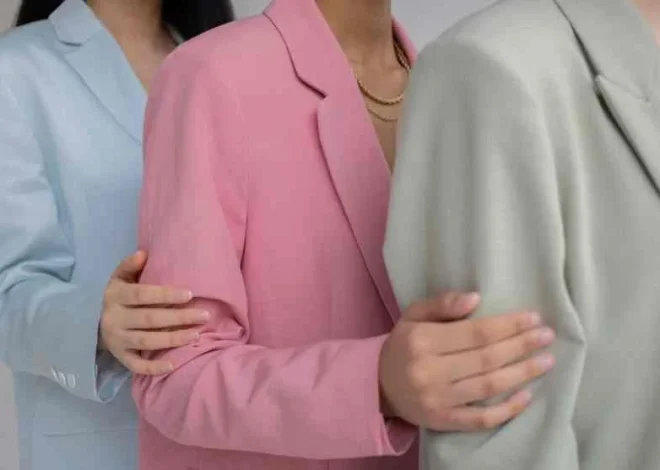
Many outfits feel more complete when one structured item is included. This could be a blazer, trench coat, crisp shirt, straight trousers, or a bag with a clear shape. A structured piece can help relaxed clothing look more intentional without making the outfit feel too formal.
Fashion stylists often describe structure as one of the easiest ways to improve daily dressing. It helps the eye understand the outfit more clearly and brings order to softer or more casual pieces.

Credit: Alimurat Üral / Pexels
Step 6: Choose shoes that can repeat across the week
Shoes can either simplify or complicate an everyday style routine. A few dependable pairs that work with several outfits usually create less stress than many options that only suit one narrow look. Clean sneakers, loafers, flats, and low boots often support daily dressing well when they match both the wardrobe and the schedule.
Footwear specialists often note that repeated shoe use can strengthen outfit planning. When readers know which shoes work with trousers, denim, skirts, and dresses, getting dressed becomes faster and more predictable.
Step 7: Make layering part of the routine, not an afterthought
Layering matters because the day rarely stays the same from beginning to end. A cardigan, light jacket, blazer, or overshirt can help an outfit adjust to changing weather or different settings. When useful layers are already part of the plan, daily dressing often feels more controlled.
Wardrobe planners often recommend keeping one or two go-to layers close at hand, especially during transitional weather. This helps the everyday style routine stay flexible without becoming complicated.
Step 8: End the routine with a quick final check
A final mirror check is one of the simplest but most useful habits in daily dressing. It can catch wrinkled fabric, awkward layering, too many accessories, or shoes that do not support the rest of the look. These details may be small, but they often affect whether the outfit feels polished or rushed.
Stylists often say that editing is part of getting dressed well. Sometimes the strongest final choice is removing one distracting element instead of adding something more.
How an everyday style routine becomes easier over time
A routine becomes easier when it no longer depends on constant creativity. Once outfit formulas, practical shoes, calm colors, and reliable layers are in place, daily dressing usually asks less of the reader. The wardrobe starts to feel like a support system instead of a daily problem to solve.
Over time, repetition also helps readers notice what truly works. This makes shopping clearer, editing easier, and outfit decisions faster. A strong everyday style routine is not about wearing the same thing all the time. It is about knowing what works well enough to repeat with confidence.
Frequently Asked Questions
Q: What is an everyday style routine?
A: An everyday style routine is a repeatable way of getting dressed that relies on useful outfit formulas, practical clothing, and habits that make daily dressing easier and more consistent.
Q: How can daily dressing become less stressful?
A: Daily dressing often becomes less stressful when readers use a few dependable outfit formulas, keep colors easy to mix, and rely on shoes and layers that work across several looks.
Q: Does an everyday style routine mean wearing the same outfits all the time?
A: No. It usually means repeating strong outfit structures with small changes in color, shoes, layers, or accessories. The routine supports variety without creating stress.
Q: Why do outfit formulas help so much?
A: Outfit formulas help because they reduce guesswork. When readers already know which combinations work well, mornings require less time and less mental effort.
Key Takeaway
An everyday style routine makes daily dressing feel easier when it is built around repeatable outfit formulas, practical clothing, reliable shoes, and simple layering habits. Most readers do not need more complexity in their wardrobe. They need a system that makes everyday style easier to repeat, easier to trust, and easier to manage through real life.

Related Posts
Why One Steady Base Layer Shape Can Make Everyday Outfits Feel Easier to Build and More Polished
Why One Calm Outfit Anchor Can Make Everyday Looks Feel More Steady From First Piece to Last