Why Seasonal Looks Feel Easier When the Outfit Can Shift Through the Day
Seasonal looks often feel most difficult when the day refuses to stay consistent. A cool morning can become warm by lunchtime, and a mild afternoon can end with wind, shade, or rain. This is why transitional dressing is rarely about choosing one perfect outfit for one exact temperature. It is more often about building clothing combinations that can adjust without falling apart.
Fashion editors, wardrobe planners, and retail stylists often explain that useful seasonal looks are the ones that stay flexible from morning to evening. Light layers, clear outfit structure, and simple color combinations usually do more than dramatic styling when the weather keeps changing.
Why seasonal looks need flexibility more than exact planning
Many readers try to dress for one weather moment, but seasonal dressing usually works better when it prepares for several. If the outfit only suits the first hour of the day, it may feel too heavy or incomplete later. This is one reason seasonal looks often feel easier when they are built around adjustment rather than prediction.
Wardrobe experts often note that changing weather style depends on flexibility first. Clothing that can be removed, added, or carried easily tends to support daily life much better than an outfit that only works in one exact condition.
How a strong base outfit makes seasonal looks easier
A useful seasonal outfit often starts with a simple base that can stand on its own if the outer layer comes off. This could be a knit top with straight trousers, a plain shirt with denim, or a dress with comfortable flats. The base should already feel complete before any extra layer is added.
Stylists often recommend this because it keeps the outfit from depending too heavily on the jacket or cardigan. If the foundation already works, the look stays polished through more than one part of the day.

Credit: Joshua Bull / Pexels
Why light layers matter more than heavy ones
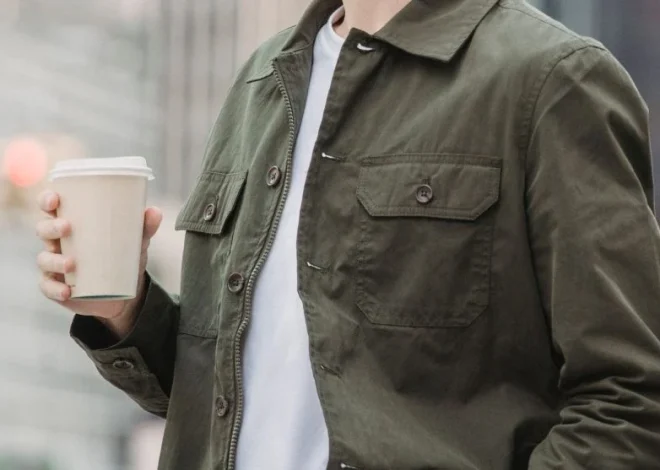
Light layers usually make seasonal looks easier because they can be added or removed without making the outfit feel like a burden. A cardigan, denim jacket, light trench, blazer, or overshirt often provides enough warmth without locking the reader into one weather choice for the whole day.
Fashion editors often point out that heavy layers can make transitional outfits harder to manage because they create bulk too quickly. Lighter pieces often offer a better balance of comfort, usefulness, and visual structure.
How color helps transitional outfits stay connected
Seasonal looks often show more visible layers than summer or deep winter outfits, which makes color connection especially important. Shades such as cream, navy, gray, olive, denim blue, soft brown, and beige usually make layered combinations easier to build. When the colors connect, the outfit still looks clear even after one layer is removed.
This does not mean accent color should disappear. It means the main parts of the outfit should already relate to one another before stronger color is added through shoes, knitwear, or a bag.
Why shoes matter in changing weather style
Shoes often decide whether seasonal looks stay useful throughout the day. A good transitional shoe should support the outfit visually while still fitting temperature shifts, walking needs, and everyday movement. Loafers, simple sneakers, flats, and low boots often work well because they can move between mild and cooler conditions with less effort.
Footwear specialists often explain that shoes in transitional outfits must do two jobs at once. They need to suit the look, but they also need to support comfort through several hours of changing conditions.
How structure keeps seasonal looks from feeling messy
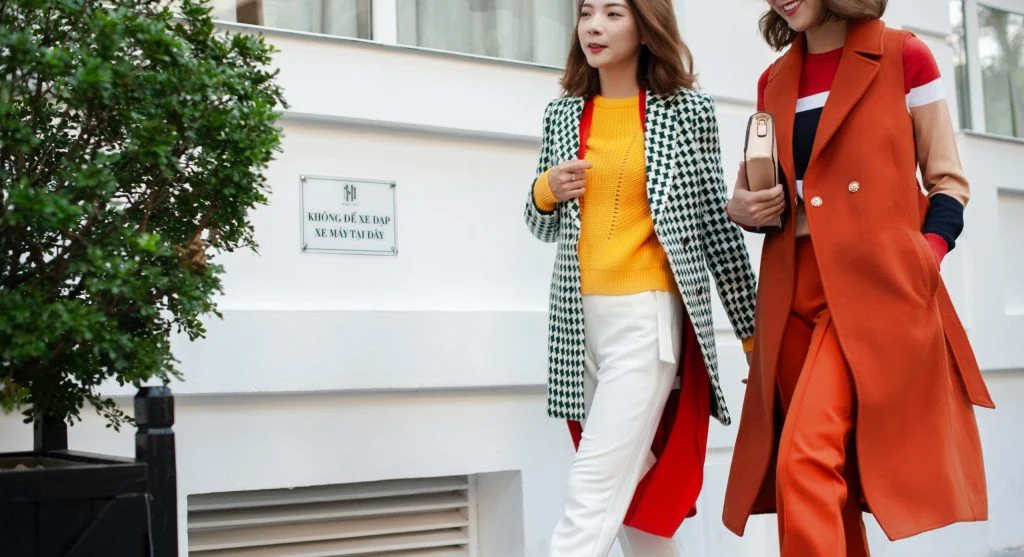
Layering can make an outfit feel practical, but it can also create visual confusion if too many bulky or unrelated pieces appear together. Seasonal looks often feel stronger when one structured item helps organize softer pieces. A blazer, trench, crisp shirt, or straight trouser can bring enough shape to keep the full look readable.
Stylists often describe structure as one of the quiet reasons transitional outfits work well. Even when fabrics and layers shift through the day, one structured element can help the look keep its direction.
Credit: Thang Nguyen / Pexels
Why repeatable outfit formulas make seasonal dressing easier
Readers often benefit from using a few outfit formulas instead of starting from scratch each morning. A shirt with a cardigan and trousers, a knit with denim and a jacket, or a dress with light outerwear and flats can all become dependable seasonal combinations. These formulas reduce stress because the reader already knows the structure works.
Wardrobe planners often note that repeatable transitional outfits usually survive busy mornings better than experimental ones. Once a few formulas prove useful, seasonal dressing tends to feel much more manageable.
How a portable layer helps when the day changes again
Sometimes the most practical part of a seasonal look is the extra layer that is not worn right away. A sweater carried in a tote, a scarf kept nearby, or a light jacket left in the car can make a real difference later. This kind of backup plan supports the outfit without making it feel too warm at the start of the day.
Style professionals often point out that seasonal dressing works better when readers prepare for change without overloading the first outfit. A portable layer keeps flexibility available without making the base look heavy or overdone.
Why seasonal looks usually fail when they try to do too much
One reason transitional outfits feel difficult is that readers sometimes try to cover every possible weather change in one look. This can create too many layers, too much bulk, or too many visual ideas at once. Seasonal looks usually become stronger when they stay simple and trust one or two adjustable parts instead of overbuilding the outfit.
Fashion editors often recommend solving the day in stages rather than all at once. A clean base, one useful outer layer, and a practical shoe often create a better result than a crowded look trying to prepare for every condition at the same time.
How seasonal dressing becomes easier over time
The more readers notice which layered combinations work best, the easier seasonal dressing becomes. Repeated success reveals which jackets, shoes, colors, and base outfits truly support the day. Over time, this creates a more dependable wardrobe without needing a full reset every season.
For many readers, the best seasonal looks are not the most dramatic ones. They are the ones that remain useful after the coat comes off, after the temperature shifts, and after the day becomes more demanding than expected.
Frequently Asked Questions
Q: Why do seasonal looks need to shift through the day?
A: Seasonal looks need to shift through the day because temperatures and weather conditions often change between morning, afternoon, and evening. Flexible outfits usually work better than rigid ones.
Q: What helps transitional outfits stay practical?
A: Transitional outfits usually stay practical when they have a complete base outfit, light removable layers, connected colors, and shoes that support both the weather and the schedule.
Q: Do seasonal looks require more clothes?
A: Not always. Seasonal looks often work well with the same basics already in the closet, as long as the layers, shoes, and outfit formulas are adjusted in practical ways.
Q: What is the easiest way to improve changing weather style?
A: One of the easiest ways to improve changing weather style is to use a simple base outfit with one useful outer layer and a backup layer that can be added later if needed.
Key Takeaway
Seasonal looks usually feel easier to wear when the outfit can adjust throughout the day without losing comfort or balance. A simple base outfit, lightweight layers, coordinated colors, and practical shoes can make dressing for changing weather much easier to manage. For many readers, the strongest seasonal looks are the ones that adapt smoothly instead of trying to handle every condition all at once.