Why One Lightweight Overshirt Can Make Warm-Weather Outfits Feel More Complete
Warm-weather outfits often seem simple on paper, but in real life they can sometimes feel like they are missing something. A basic top paired with trousers may be comfortable and appropriate for the season, yet the overall look can still appear slightly incomplete. Many people do not want to add a heavy layer when temperatures rise, but they also do not want their outfit to feel too minimal. In these situations, a lightweight overshirt can make a surprisingly big difference.
A well-chosen overshirt adds enough structure to help seasonal outfits feel more polished without the weight of a traditional jacket. It can improve balance, adapt to changing temperatures, and make even the simplest wardrobe basics look more thoughtfully put together. For many readers, it becomes one of the easiest ways to elevate warm-weather dressing while staying comfortable and practical.
What a Lightweight Overshirt Actually Does
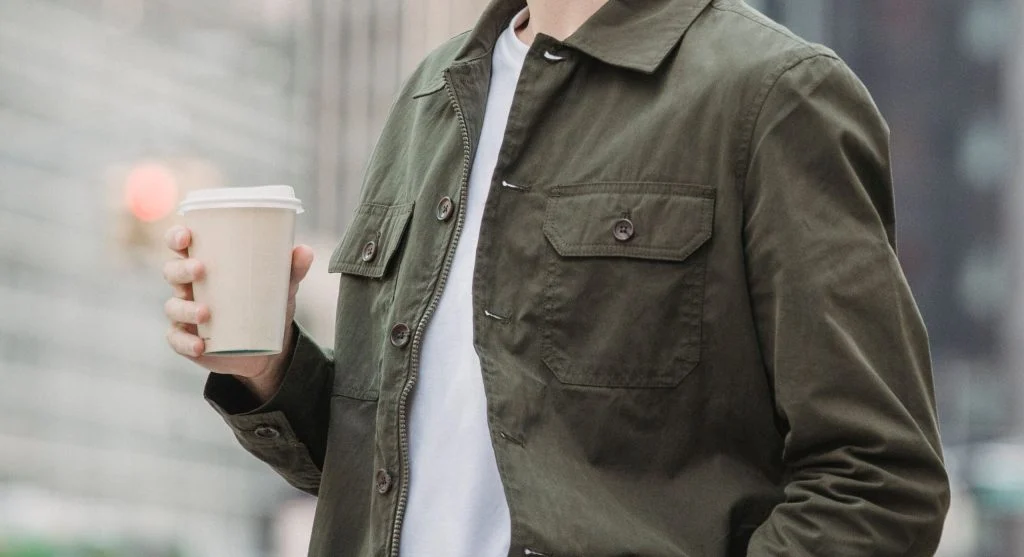
A lightweight overshirt sits somewhere between a shirt and a jacket. It is soft and breathable enough for mild or warm conditions, yet structured enough to add shape to an outfit. This sets it apart from heavier outerwear, which can feel excessive in warm weather, and from basic shirts, which may not provide enough visual support once the outfit is complete.
What makes the overshirt so useful is its ability to create a clean finishing layer without making the outfit feel formal. It can be worn open, partially layered, or simply used to frame the rest of the look. That versatility gives it lasting value in everyday wardrobes.
Why Warm-Weather Outfits Often Need One More Visual Line
During cooler months, jackets, sweaters, and coats naturally add dimension and structure to outfits. In warm weather, fewer layers are typically worn, which means the entire look depends more heavily on the base pieces. As a result, some outfits can feel a little flat, even when every item works well on its own.
A lightweight overshirt solves this by introducing another visual line across the upper body without creating bulk. Outfit balance is often influenced just as much by shape as by the clothing itself, and a simple extra layer in the right fabric can make a look feel more complete and intentional.

How Overshirts Help Simple Basics Feel More Intentional
Basics play a major role in warm-weather wardrobes because they are comfortable, practical, and easy to wear. T-shirts, tanks, lightweight shirts, and simple dresses often become everyday staples throughout the season. The challenge is that these pieces can sometimes benefit from one additional element to help the outfit feel finished.
A lightweight overshirt fills that role naturally. It introduces shape and structure without requiring a more complicated outfit. The best results often come from choosing an overshirt that is simple, versatile, and easy to coordinate with the colors already present in the wardrobe. Rather than competing with the basics underneath, it should complement them and help create a more deliberate overall appearance.
Why Fabric Matters More Than Color Here
When it comes to warm-weather dressing, fabric is often more important than color. An overshirt may look appealing visually, but if the material feels too heavy, it is unlikely to be worn regularly.
Breathable fabrics such as lightweight cotton, washed linen blends, and other soft woven materials tend to work best because they provide airflow and freedom of movement throughout the day. The most effective overshirts feel comfortable both visually and physically. They offer structure without creating the sensation of wearing an unnecessary extra layer.
How This Piece Helps With Temperature Changes
Warm-weather dressing is rarely about consistent temperatures. Mornings may start cool, afternoons may become noticeably warmer, and evenings can bring a breeze that changes how an outfit feels.
A lightweight overshirt helps bridge these shifts. Instead of choosing between no layer at all and a heavier jacket, readers have a flexible option that can adapt throughout the day. It can be worn open, removed and carried easily, or put back on as temperatures change.
This practicality is one of the reasons overshirts remain so useful. They address both comfort and styling needs at the same time.
Why Overshirts Work Well With Different Outfit Types
One of the biggest strengths of a lightweight overshirt is its versatility. It can be worn over a T-shirt and trousers one day, layered over a simple dress the next, or paired with a tank top and denim later in the week.
Because it works across so many outfit combinations, it often provides greater value than trend-driven seasonal pieces that only suit one specific look. When a garment can move easily between different styles and occasions, it becomes much easier to justify wearing repeatedly.
This adaptability is also what makes the overshirt such a useful everyday piece. It does not require a complete wardrobe change it simply enhances the clothing people already enjoy wearing.

How Shoes Affect the Overshirt’s Role in the Outfit
Footwear plays a major role in determining how an overshirt feels within an outfit. Depending on the desired look, clean flats, simple sandals, low-profile sneakers, or loafers can all work well.
The key is making sure the shoes support the overall mood established by the overshirt. If the footwear pulls the outfit too strongly in a different direction, the balance can feel off. While the overshirt may help bring the outfit together, the shoes still contribute significantly to how the final look is perceived.
Why This Piece Often Gets More Wear Than a Summer Jacket
Traditional summer jackets can sometimes feel too structured, formal, or specific for everyday use. A lightweight overshirt often sees more wear because it feels easier and more adaptable.
It can sharpen an outfit without making it look overly dressed up, and it can add structure without making the outfit feel rigid. This balance between casual and polished is what gives the overshirt such lasting appeal.
For many people, the most valuable warm-weather layer is not the one that makes the strongest statement. Instead, it is the piece that quietly improves outfit after outfit without demanding extra effort.
How to Tell If an Overshirt Is Right for Your Wardrobe
A good overshirt should work naturally with several of the tops and bottoms already worn most often. It should feel breathable enough for the season, comfortable enough for regular wear, and versatile enough to repeat frequently.
Another useful indicator is how quickly it improves simple outfits. If it helps everyday looks feel more complete without requiring major wardrobe adjustments, it is likely serving its purpose well.
When an overshirt makes daily dressing easier after only a few wears, it is often a sign that it has earned a permanent place in the wardrobe.
Frequently Asked Questions
Q: What is a lightweight overshirt?
A: A lightweight overshirt is a soft, breathable layer worn over a top to add structure and flexibility without the heaviness of a full jacket.
Q: Why does an overshirt help warm-weather outfits?
A: It helps because it adds one more visual line to the outfit, improves structure, and handles mild temperature changes without making the look too heavy.
Q: Can a lightweight overshirt still work in summer?
A: Yes. It can work very well when made from breathable fabric and used in a relaxed way over simple seasonal clothing.
Q: What pieces pair best with an overshirt?
A: Overshirts usually pair well with tees, tanks, simple dresses, airy trousers, denim, flats, loafers, and other practical warm-weather basics.
Key Takeaway
A lightweight overshirt can make warm-weather outfits feel noticeably more complete by adding structure, balance, and versatility without introducing unnecessary weight. It pairs easily with simple basics, adapts to changing temperatures, and works across a variety of outfit combinations. For many readers, it becomes one of the most practical and dependable layers in a seasonal wardrobe.