Why Fabric Weight Often Matters More Than Color in Warm-Weather Outfits
When warm weather arrives, many readers begin by thinking about color. They reach for white, beige, soft blue, and other lighter shades because those tones feel fresh and seasonal. Color can certainly shape the mood of a summer outfit, but it is not always the detail that decides whether the look actually feels comfortable. In daily life, fabric weight often matters much more.
A light-colored outfit can still feel heavy, stiff, and tiring if the material traps heat or sits too thickly on the body. On the other hand, a darker outfit made from breathable fabric may feel easier to wear through a long day. That is why warm-weather dressing often works better when readers focus first on how the fabric behaves, not only on how the color looks.
Why Warm-Weather Outfits Often Fail for Practical Reasons
Many outfits look seasonal in the mirror but stop working once the day begins. The shirt may feel sticky after a short walk, the trousers may become too stiff in the heat, or the dress may look airy but still feel heavier than expected. In these cases, the issue is usually not styling. It is material.
Stylists often explain that seasonal dressing is not only about visual cues. It is also about how clothing moves through real weather. A summer outfit should do more than look appropriate. It should help the reader stay comfortable, move easily, and feel settled for several hours.
What Fabric Weight Actually Changes
Fabric weight affects heat, airflow, movement, and how a garment sits on the body. Lighter fabrics often feel easier because they create less pressure, allow more air to pass through, and usually move more naturally with the body. Heavier fabrics can still have a place in some outfits, but in warm weather, they often become noticeable quickly.
This matters because summer discomfort usually builds gradually. Clothing that seems fine indoors may feel completely different after walking outside, sitting in sunlight, or moving through a humid afternoon. Fabric weight often decides how much of that discomfort the outfit creates or avoids.
Why Light Colors Can Be Misleading
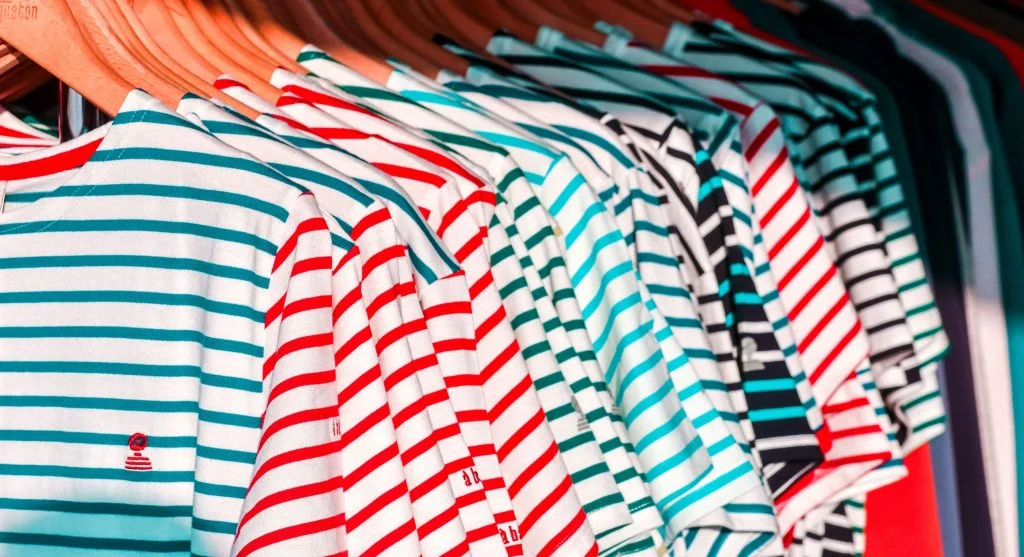
Light colors create the impression of coolness, which is one reason readers often trust them immediately in summer. But pale trousers in a dense fabric may still feel much warmer than darker trousers in a more breathable one. The same is true for dresses, shirts, and light outer layers.
Fashion editors often point out that seasonal color can guide the eye, but comfort is usually controlled by structure and fabric. A white shirt only helps so much if it still feels too thick to wear through an ordinary day outside.
How Lightweight Fabrics Improve Daily Movement
Warm-weather outfits often feel better when the fabric supports movement instead of resisting it. Lightweight cottons, softer linens, breathable blends, and airy weaves tend to help because they move more freely. This can make a big difference for readers who walk often, spend time outdoors, or want clothes that still feel manageable after several hours.
Movement matters because many summer clothes are worn in settings that are less controlled. Readers may move from indoors to outdoors, from sitting to walking, or from shade into direct sun. Clothing that moves well often feels easier to trust in those changing conditions.
Why Fabric Weight Matters in Trousers More Than Many Expect
Trousers often cause more warm-weather discomfort than tops because they cover more of the body and are harder to adjust once the day begins. A pair of trousers can look perfect in color and shape but still feel too warm if the fabric is dense. Lightweight trousers often make a summer outfit feel much more wearable, even if their color is slightly darker than what readers first imagined.
This is one reason airy straight-leg trousers, softer drawstring styles, and lighter woven pants often become such useful seasonal pieces. They support both comfort and a cleaner outfit line at the same time.
How Dresses and Skirts Benefit From Lighter Fabric Behavior
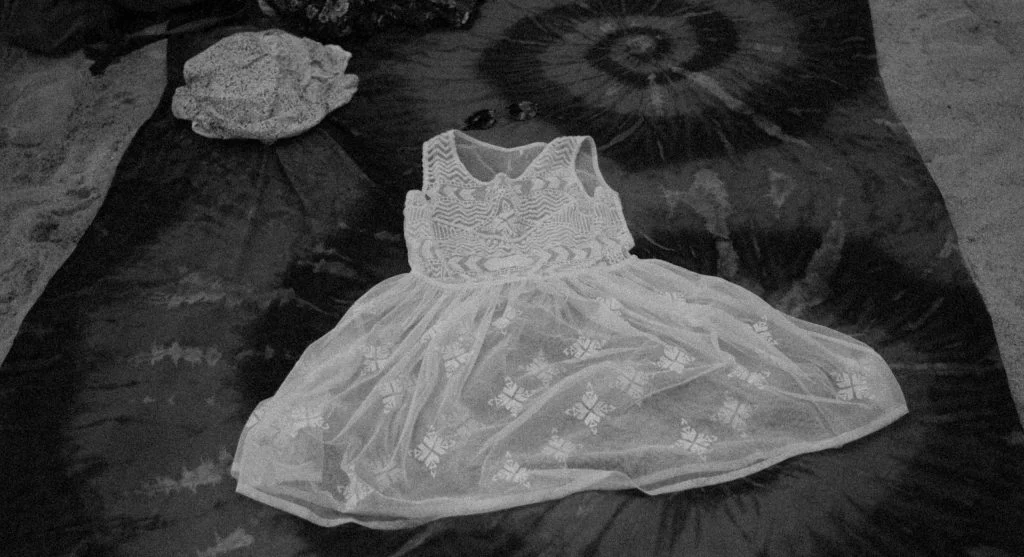
Dresses and skirts often feel easiest in warm weather when the fabric has enough movement to allow airflow without becoming too thin or clingy. A summer dress should not just look light. It should actually behave lightly. The same goes for skirts. If the material feels too dense, the whole outfit may become less enjoyable, no matter how seasonal the print or color appears.
Wardrobe planners often note that the best summer dresses are usually the ones readers do not need to keep adjusting. Lightweight fabric often plays a major role in that comfort.
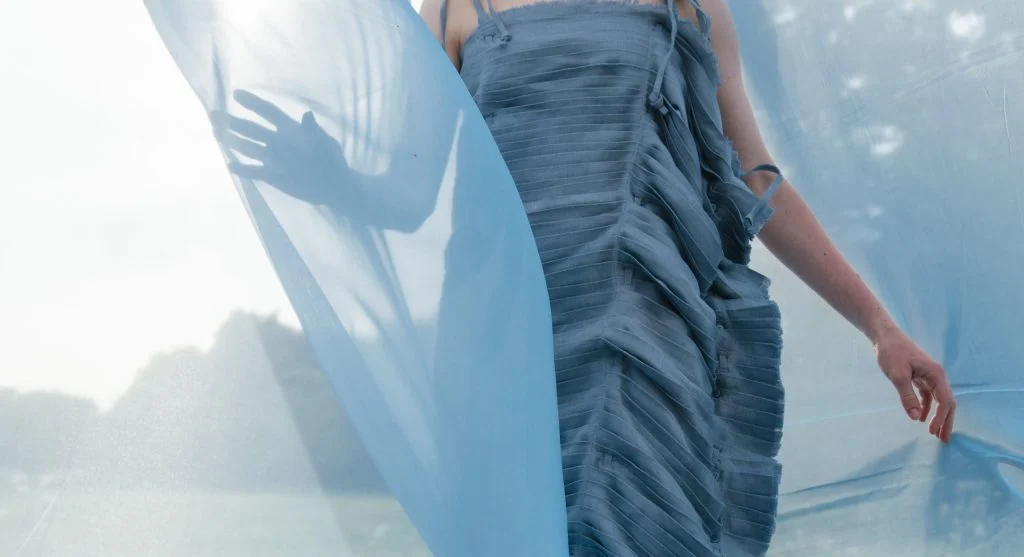
Why Texture Can Matter as Much as Color in Summer
Readers often think about summer dressing in terms of light shades, but texture can do just as much visual work. An airy weave, washed cotton finish, soft linen texture, or woven accessory can all make an outfit feel seasonal, even when the palette is not extremely pale. This helps readers build summer looks that feel fresh without depending only on white or cream.
That is useful because it gives the wardrobe more flexibility. A warm-weather outfit can still feel clearly seasonal through fabric behavior and surface texture, even when it includes olive, navy, or soft brown.
How to Judge a Fabric Before Wearing It All Day
One of the simplest ways to judge summer fabric is to notice how it feels in the hand and how it falls when lifted. Does it feel too thick for the temperature? Does it seem stiff? Does it look like it may trap heat? Another useful clue is whether the garment feels easier indoors than it is likely to feel outside. Readers often know more than they think the moment they touch the material.
Shopping and styling improve when readers stop asking only whether a piece “looks summery” and start asking whether it behaves like something made for heat.
Why Good Summer Outfits Often Start With Material, Not Color
The most successful warm-weather outfits usually begin with pieces that feel physically right for the day. Once the fabric works, color becomes much easier to handle. Readers can then choose soft neutrals, washed tones, or even slightly darker shades with more confidence because the clothing is already supporting comfort first.
This often leads to better summer dressing overall. The wardrobe becomes less dependent on surface-level signals and more focused on what truly works in daily life.
Frequently Asked Questions
Q: Why does fabric weight matter so much in warm-weather outfits?
A: Fabric weight matters because it affects airflow, comfort, movement, and how much heat the clothing holds during the day. In many cases, this has a bigger effect than color alone.
Q: Can dark colors still work in summer outfits?
A: Yes. Darker colors can still work very well in summer if the fabric is lightweight and breathable enough to feel comfortable in warm weather.
Q: What types of summer pieces benefit most from lighter fabrics?
A: Trousers, dresses, shirts, and skirts often benefit most because these pieces cover large areas and need to stay comfortable through movement and heat.
Q: What is the easiest way to make a warm-weather outfit feel more seasonal?
A: One of the easiest ways is choosing lighter, more breathable fabrics with some natural movement. Texture and fabric behavior often make an outfit feel more seasonal very quickly.
Key Takeaway