7 Trend-Wearing Myths That Can Make Everyday Fashion Feel More Confusing Than It Needs to Be
reader may notice an updated jacket shape, a current flat, or a softer new color and like the idea, yet still decide it is probably not practical for real life. In many cases, that hesitation does not come from the trend itself. It comes from the myths around how trends are supposed to be worn.
Stylists and fashion editors often point out that most wearable trends enter the wardrobe in small, realistic ways. But when common style myths get involved, readers may start to believe they need a full outfit overhaul, a larger budget, or a bolder personality than they actually have. That can turn a simple update into something far more confusing than it needs to be.
Why Trend Advice Often Feels More Dramatic Than Daily Life
Trend advice is often shown through editorial images, social clips, or highly styled shopping pages. These spaces are designed to make fashion look bold and noticeable. Real life usually works differently. Most readers need clothes that fit errands, work, weather, walking, and repeated wear. That gap between presentation and reality is where many trend-wearing myths begin.
Once readers start believing that fashion trends must always look dramatic to count, everyday dressing becomes harder. Instead of seeing trends as small updates, they begin to feel like high-pressure style tests.
1. Myth: A Trend Only Counts if the Full Outfit Looks Current
This is one of the most common myths in fashion. Readers often believe that if they wear one modern piece, the rest of the outfit must also be trend-driven or the look will not make sense. In reality, many trend pieces work best when they are placed inside a calm outfit built from familiar basics.
A current shoe, updated blazer, softer bag shape, or fresh color can often do enough on its own. In fact, the rest of the outfit usually looks better when it stays simpler. That balance helps the trend feel intentional instead of crowded.
2. Myth: Trends Are Only for People With Bold Personal Style
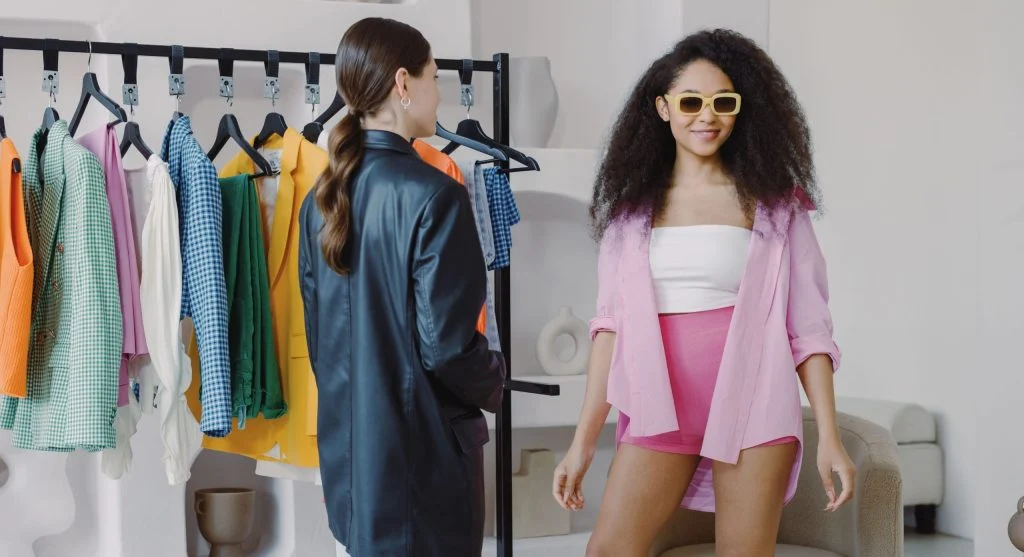
Some readers assume fashion trends belong only to people who dress in a very visible or expressive way. This belief often stops useful pieces from ever being tried. But many trends are not loud at all. Some appear through proportion, texture, hardware, color softness, or slightly different shoe lines.
That means readers with quieter wardrobes can still wear trends naturally. The key is choosing versions that fit their existing clothes instead of forcing a completely different style identity all at once.
3. Myth: Trend Pieces Stop Being Wearable Too Quickly to Be Worth It
Not every trend has the same lifespan. Some disappear quickly, but others blend into the wardrobe more gradually and stay useful far longer than expected. A softer blazer shape, a cleaner bag silhouette, or a refreshed denim cut may begin as a trend but continue feeling useful once the strongest hype fades.
Wardrobe planners often explain that a trend piece becomes more valuable when it works with clothing already worn often. If it connects well, it usually lasts longer in real life than readers first assume.
4. Myth: Wearing a Trend Means Giving Up Comfort
Many readers distrust fashion trends because they associate them with discomfort. They picture shoes they cannot walk in, fabrics that do not move well, or silhouettes that feel awkward after an hour. Some trends do create those problems, but not all of them do. In fact, many current pieces are simply small updates to things readers already wear.
Comfortable trends often appear in updated flats, softer tailoring, looser shirt lines, and practical accessories. The best trend choices are usually the ones that improve the look without making daily life harder.
5. Myth: Trends Always Cost Too Much to Try Properly
Another common myth is that current style only works if readers buy several new pieces at once. This can make fashion feel financially unrealistic. In truth, many trend updates enter the wardrobe through one controlled change. One bag, one pair of shoes, one color shift, or one jacket can be enough to refresh several outfits at once.
This is often why accessories play such a strong role in trend dressing. They allow readers to test a newer look without rebuilding the closet from the beginning.
Frequently Asked Questions
Q: What are trend-wearing myths?
A: Trend-wearing myths are common beliefs that make fashion trends seem harder, more expensive, or more dramatic than they really are in everyday dressing.
Q: Do I need a full trendy outfit to wear one modern piece?
A: No. In most cases, one updated piece works best with a simple outfit built from clothing you already trust and wear often.
Q: Can trends still work if my style is simple?
A: Yes. Many trends enter the wardrobe through small details like shoes, bags, softer colors, or subtle shape changes that suit simpler personal style very well.
Q: What is the easiest way to try a trend?
A: The easiest way is usually through one piece at a time, especially an accessory, a shoe, or a controlled update to a familiar clothing category like denim or outerwear.
Key Takeaway