8 Small Home Systems That Can Quietly Save Time Every Single Day
Many people lose valuable time at home without even noticing it. A few extra minutes spent searching for keys, figuring out where to put incoming mail, clearing a cluttered counter before cooking, or hunting for the right charger may seem insignificant on their own. However, when these small delays happen day after day, they can quietly influence the entire flow of daily life.
That is why simple home systems can be so effective. They rarely look impressive, and setting them up is not usually exciting. Yet they often save more time than large organizing projects because they improve the small tasks that happen repeatedly. When those everyday moments become easier, the entire day tends to feel more manageable.
Why Tiny Systems Often Matter More Than Big Organizing Projects
Major organizing projects can transform how a home looks, but daily routines are usually affected by much smaller habits. Most people are not slowed down each morning by one large household issue. Instead, they are delayed by several minor inconveniences. A misplaced item, a confusing drop zone, or a cluttered work surface can all create friction in routines that should feel automatic.
Small systems work because they address those recurring points of frustration. Rather than trying to reorganize an entire home at once, they focus on making the most frequently used moments smoother and more efficient.
1. One Fixed Place for Leaving-Home Essentials
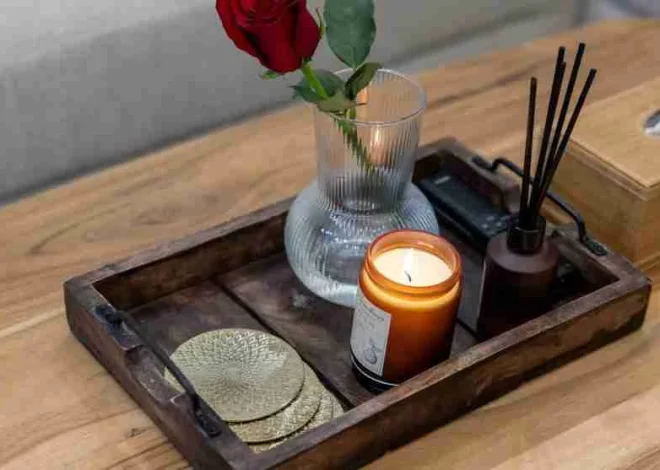
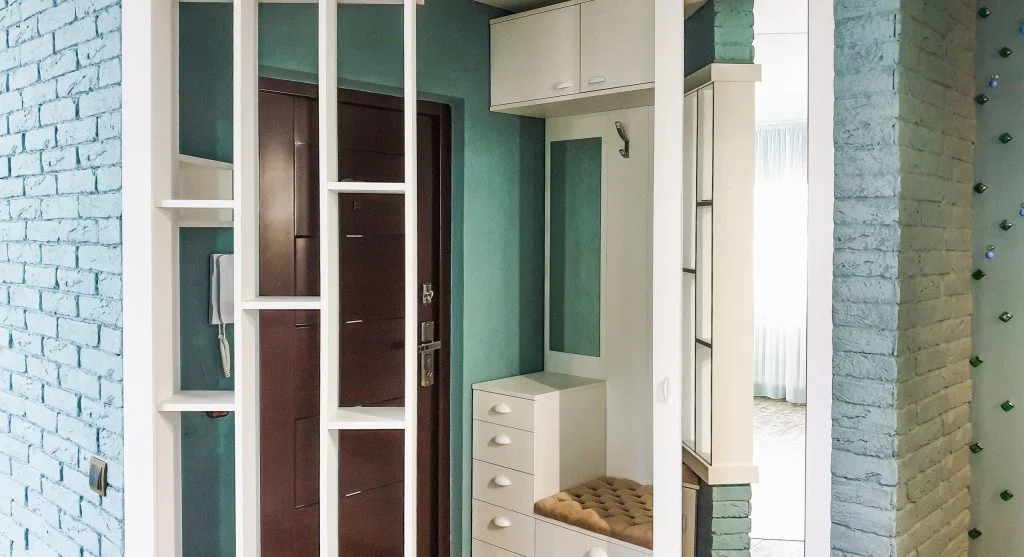
A simple tray, shelf, hook, or basket near the front door can save more time than many people realize. Keys, wallets, cards, glasses, and other everyday necessities often create unnecessary stress when they are left in different places throughout the house.
Giving these items a designated home removes the need to search for them and makes leaving the house much easier. Because this routine happens every day, even a small improvement can have a noticeable impact on morning stress levels.
2. A Clear Counter Rule in One Busy Room
Keeping one surface mostly clear can dramatically improve how a room functions. Kitchen counters, dining tables, and bathroom counters often become catch-all spaces where items from different routines collect over time.
Creating a simple rule that one specific surface remains mostly uncluttered helps maintain a space that is always ready to use. The goal is not perfection. The goal is practicality. A functional surface should not require a cleanup session every time it is needed.
3. A Basket for Items That Need to Go Elsewhere
Many homes become harder to manage because items gradually migrate into rooms where they do not belong. A dedicated basket for things that need to be returned elsewhere can help solve this problem.
Instead of carrying items from room to room throughout the day, they can be gathered in one place and relocated during a quick reset. This approach reduces scattered effort and helps prevent clutter from spreading throughout the house.
4. One Charging Zone Instead of Multiple Loose Cables
Chargers and electronic devices often create unnecessary searching, especially when cables constantly move between rooms. Establishing one charging station for frequently used devices can reduce both visual clutter and wasted time.
Phones, smartwatches, earbuds, tablets, and other devices become easier to locate because they consistently return to the same spot. This system also simplifies evenings, making it easier to ensure everything is charged and ready for the following day.
5. A Weekly-Use Shelf in the Fridge or Pantry
Meal preparation can become more complicated when frequently used foods are scattered among less-used items. Reserving one shelf in the refrigerator or pantry for weekly essentials can make daily routines more efficient.
Breakfast staples, lunch ingredients, fruit, drinks, and common cooking items become easier to access because they are grouped together. In busy households, this simple adjustment can eliminate repeated searching during everyday meal preparation.

6. A One-Minute Reset Before Leaving a Room
Small messes often grow into larger ones simply because they are left behind repeatedly. Taking one minute to tidy before leaving a room can prevent clutter from building throughout the day.
Straightening a blanket, returning a mug to the kitchen, clearing a corner of a table, or closing an open drawer may seem minor, but these actions help keep spaces under control. The value of this habit comes from consistency. A few seconds of attention now can prevent a much larger cleanup later.
7. A Visible Next-Step Notebook or Pad
Many people waste mental energy trying to remember small tasks throughout the day. A notebook or notepad placed in a visible location can provide a simple solution.
Grocery reminders, errands, household tasks, and quick notes can be written down immediately instead of being stored mentally. This reduces mental clutter and ensures important reminders stay in one reliable place until they can be addressed.
8. One Weekly Check for the House’s Main Trouble Spot
Most homes have one area that consistently creates more frustration than others. It may be the entryway, a kitchen counter, a chair that collects clothing, or a desk covered with paperwork.
Spending a few minutes each week focusing on that specific area can prevent it from becoming overwhelming. Rather than trying to maintain every space equally, this approach targets the area most likely to cause problems during the week ahead.
Why These Systems Work So Quietly
The reason these systems are so effective is also the reason they often go unnoticed. They improve ordinary moments rather than dramatic ones. Daily life is built on repetition, and repeated inconveniences frequently create more stress than occasional large problems.
When those recurring moments become easier, the home begins to support daily routines more naturally. Effective organization is not about making a home look perfect. It is about making the home function better in the places where it matters most.
Frequently Asked Questions
Q: What are small home systems?
A: Small home systems are simple routines or organizing setups that support repeated daily tasks, such as where keys go, where chargers stay, or how clutter gets gathered before it spreads.
Q: Why do small systems save so much time?
A: They save time because they reduce repeated searching, hesitation, and cleanup in the moments that happen most often throughout the day.
Q: Do these systems need expensive storage products?
A: No. Many useful systems can be created with simple trays, baskets, shelves, hooks, or even one notebook placed in the right area.
Q: What is the best small home system to start with?
A: One of the best places to start is the home’s biggest repeated trouble spot, such as the entryway, one crowded counter, or the area where daily essentials keep getting lost.
Key Takeaway
Small home systems can save time every day because they improve the routines that happen most often, from leaving the house and preparing meals to charging devices and managing clutter. They do not need to be complicated to be effective. In many homes, the most valuable organizational changes are the simple ones that make everyday life easier again and again.