8 Small Outfit Anchors That Can Make Everyday Style Feel More Consistent Without Looking Repetitive
Many people want their personal style to feel more consistent, but they do not want every outfit to look identical. Finding that balance can be challenging. Too much variety can make a wardrobe feel disconnected, while too much repetition can feel restrictive when it lacks purpose. One of the easiest ways to create consistency without sacrificing flexibility is through small outfit anchors. These are the details that quietly appear again and again, helping outfits feel connected even when the individual pieces change.
Outfit anchors are often the reason someone’s style feels recognizable. They are usually subtle rather than obvious. A person might repeatedly choose the same type of shoes, favor a particular jacket length, carry a similar bag shape, or gravitate toward one neckline without fully realizing it. Once these patterns become intentional, getting dressed often feels easier, more cohesive, and far less overwhelming.
Why Small Outfit Anchors Matter
A wardrobe usually feels more polished when there is some sense of continuity running through it. That does not mean wearing the same outfit every day. Instead, it means having a few familiar details that appear often enough to create a visual thread.
Style professionals often explain that personal style becomes easier to recognize when certain choices consistently reappear. These repeated elements help a wardrobe feel like it belongs to one person with a clear perspective rather than a collection of unrelated outfit ideas.
1. A Dependable Trouser Shape
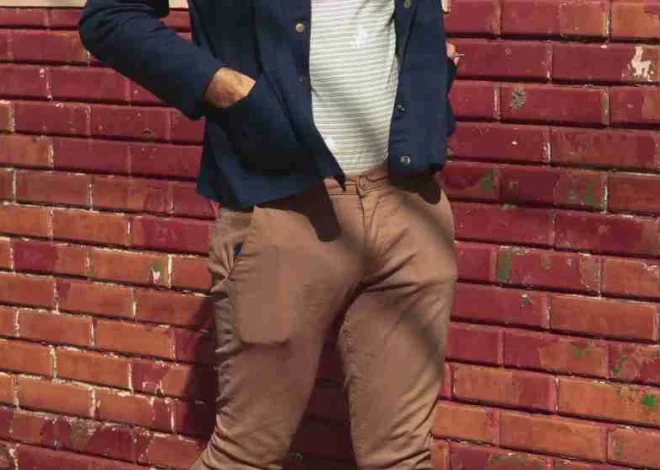
One of the strongest style anchors is a consistent bottom silhouette. Whether it is straight-leg trousers, wide-leg pants, slim ankle styles, or another preferred shape, repeating a similar line across different outfits creates a sense of stability.
Tops, colors, and accessories can change dramatically, but a familiar trouser shape often keeps the overall look connected. Since bottoms form much of the outfit’s visual foundation, identifying a silhouette that works well and repeating it regularly can instantly make a wardrobe feel more cohesive.
2. A Favorite Shoe Category
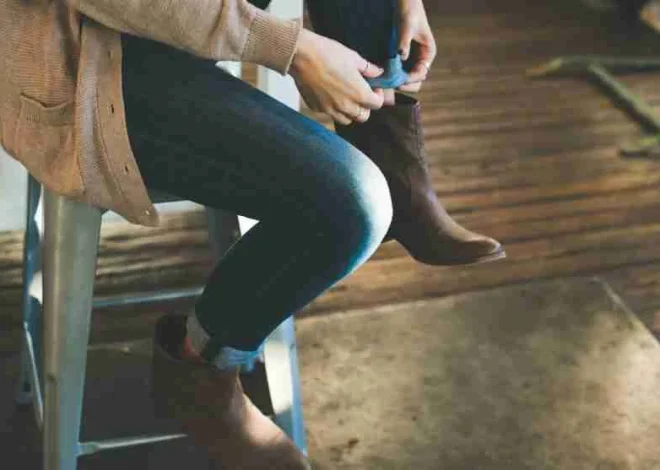
Shoes may seem like finishing touches, but they often influence the overall tone of an outfit more than people realize. Someone who frequently wears loafers creates a different style identity than someone who consistently reaches for sneakers, ankle boots, or ballet flats.
When the same general shoe category appears throughout the week, the wardrobe naturally develops a recognizable rhythm. Even when clothing combinations vary, the repeated footwear choice helps maintain consistency.
3. A Preferred Neckline
Necklines play a major role in shaping how the upper half of an outfit feels. A repeated crew neck, V-neck, open collar, or similar shape often becomes a subtle signature over time.
Many people find that certain necklines work especially well with their proportions, jewelry, or layering pieces. Once that preference becomes clear, repeating it can make a wide variety of outfits feel more intentional and resolved.
Because necklines are subtle, they create consistency without making outfits look repetitive.
4. A Go-To Bag Shape
A consistent bag silhouette can provide surprising wardrobe cohesion. Whether it is a structured shoulder bag, a classic tote, a compact crossbody, or a top-handle design, repeating a familiar shape helps create visual continuity.
Because bags sit near the center of an outfit and are often used daily, they naturally become part of a person’s style identity. A recognizable bag shape often contributes more to consistency than constantly rotating through trendy accessory styles.
5. A Consistent Layer Length
Jackets, overshirts, cardigans, and blazers all influence the overall proportions of an outfit. People often look more consistent when these layers share a similar length.
Some wardrobes work best with cropped layers, while others feel more balanced with hip-length or longer styles. When a preferred proportion appears repeatedly, outfits feel more cohesive because the visual structure remains familiar.
This is particularly useful in simple wardrobes where outer layers carry much of the outfit’s visual weight.
6. A Familiar Color Direction
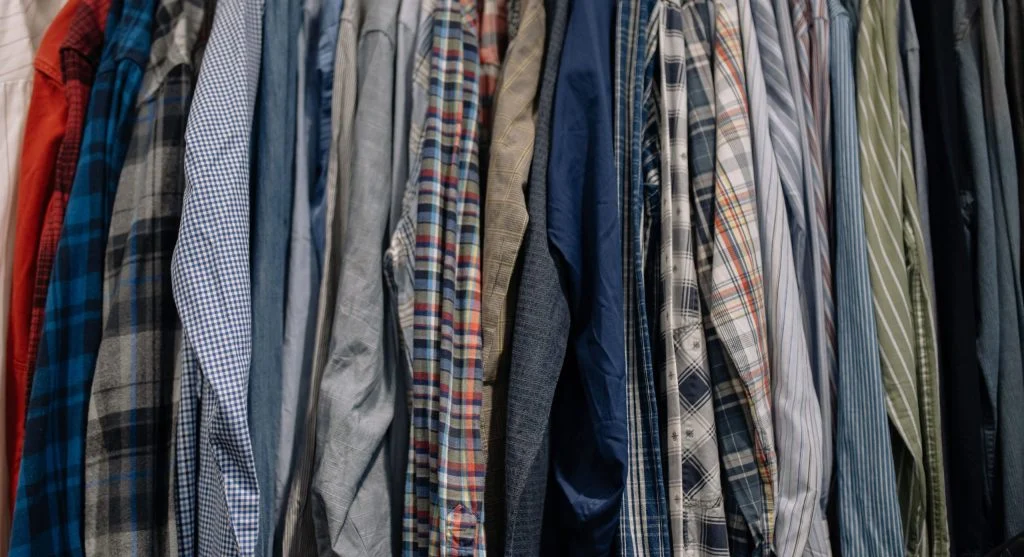
Color can function as one of the strongest outfit anchors. This does not mean limiting the wardrobe to one color or wearing monochromatic outfits every day. Instead, it means consistently leaning toward a broader color family.
Some people naturally gravitate toward warm neutrals. Others prefer washed blues, muted greens, soft grays, or deeper earth tones. When colors stay within a related range, outfits often feel connected even when individual garments vary significantly.
This approach allows plenty of variety while still creating a recognizable visual identity.
7. A Repeated Texture Combination
Consistency often comes from texture as much as color or silhouette. Some people repeatedly pair soft knits with polished footwear. Others combine structured shirts with relaxed denim. These texture relationships quietly create continuity from outfit to outfit.
Even when the clothing itself changes, the way different fabrics interact often remains familiar. That repeated balance between softness and structure, polish and ease, can become a powerful style signature.
This is one reason wardrobes can feel cohesive without appearing repetitive.
8. A Reliable Finishing Habit
Sometimes the strongest style anchor is not a specific garment but a repeated styling habit. This might mean lightly rolling sleeves, consistently tucking in shirts, favoring minimal jewelry, or using the same belt styling approach.
These small finishing details often become part of a person’s visual identity because they appear frequently and naturally. Over time, they help create a recognizable style language that feels personal rather than forced.
What matters most is choosing habits that genuinely improve outfits and fit naturally into daily dressing.
Why Outfit Anchors Do Not Make Style Boring
Many people worry that repeating the same details will make their wardrobe feel predictable. In reality, outfit anchors usually do the opposite. They create a stable foundation that allows other elements to change more freely.
When certain details remain consistent, different colors, fabrics, accessories, and seasonal updates often stand out more effectively. Anchors reduce visual chaos without eliminating variety.
This balance is what makes them so useful. They remove the pressure to reinvent personal style every day while still allowing room for evolution.
How to Identify Your Own Outfit Anchors
The easiest place to start is with the outfits you already enjoy wearing. Look for patterns in the looks that feel most natural and successful.
Which shoes appear most often? Which trouser shape do you reach for repeatedly? What jacket length feels easiest to wear? Which neckline seems to show up again and again?
The answers often reveal existing anchors that are already working behind the scenes. In many cases, they do not need to be created. They simply need to be recognized and used more intentionally.
Once those patterns become clear, getting dressed often feels more straightforward because decisions are built around proven strengths rather than constant experimentation.
Frequently Asked Questions
Q: What are outfit anchors?
A: Outfit anchors are small repeated details, such as one shoe category, one trouser shape, or one bag silhouette, that help daily style feel more connected and consistent.
Q: Do outfit anchors make style repetitive?
A: Not necessarily. They usually make style more recognizable and easier to build, while still leaving plenty of room for different tops, textures, colors, and finishing details.
Q: What is the easiest outfit anchor to start with?
A: A repeated shoe category or one dependable bottom shape is often the easiest starting point because those details influence many outfits very strongly.
Q: How can I find my natural outfit anchors?
A: Look at the outfits you wear most confidently and most often. The repeated shapes, colors, or finishing habits in those looks often reveal your strongest natural anchors.
Key Takeaway
Small outfit anchors help create consistency without making a wardrobe feel repetitive. Repeated details such as a favorite shoe category, dependable trouser shape, preferred neckline, or familiar bag silhouette quietly connect outfits and make daily dressing easier. For many people, personal style feels stronger, calmer, and more recognizable once those patterns are identified and used intentionally.

Related Posts
Why One Steady Base Layer Shape Can Make Everyday Outfits Feel Easier to Build and More Polished
Why One Calm Outfit Anchor Can Make Everyday Looks Feel More Steady From First Piece to Last