

7 Everyday Style Myths That Can Make Getting Dressed Feel Harder
Everyday style should make getting dressed easier, but many readers still find daily outfits more stressful than they need to be. One reason is that style advice is often shaped by myths. These myths can make readers believe that good dressing has to be highly creative, expensive, or completely different every day.
Stylists, wardrobe planners, and fashion editors often explain that practical daily style usually works in a calmer way. Useful clothes, repeatable outfit formulas, and a few steady habits often do more than dramatic styling ideas. When everyday style myths are removed, daily dressing often becomes much easier to manage.
Why everyday style myths create more pressure than help
Everyday style myths often spread because they sound exciting. It is more dramatic to say that style needs constant reinvention than to say it needs dependable structure. Yet real life usually rewards clothing that can handle workdays, errands, weather changes, and rushed mornings.
Wardrobe specialists often note that style should support daily life instead of competing with it. When myths create unrealistic expectations, readers may feel as if their clothes are failing when the real problem is simply unhelpful advice.
1. Myth: Everyday style should look different every day
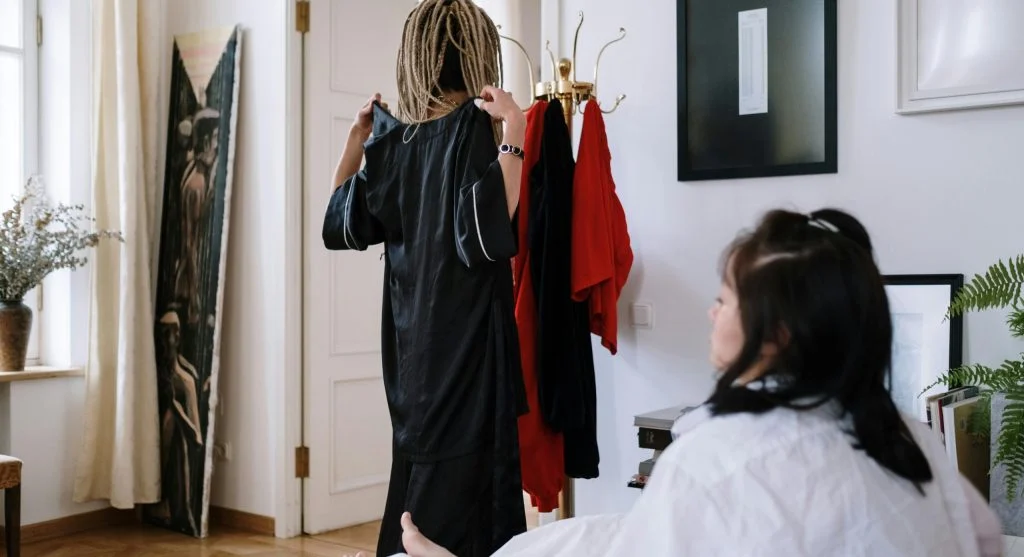
One of the most common everyday style myths is the idea that repeating outfit formulas means the wardrobe lacks personality. In reality, many well-dressed people rely on repeatable combinations because they know those outfits already work. Repetition often saves time and creates more dependable dressing habits.
Wardrobe planners often explain that repeating good outfit structures is not a weakness. It usually shows that the closet contains pieces that fit real life well enough to return again and again.
Credit: cottonbro studio / Pexels
2. Myth: Practical outfits cannot look polished
Some readers believe clothing only looks stylish when it is slightly uncomfortable, highly detailed, or difficult to maintain. This myth often makes practical style feel less valuable than more dramatic dressing. In real life, comfortable shoes, useful layers, and easy fabrics often create stronger outfits because they hold up better throughout the day.
Stylists often point out that polished daily dressing usually depends on fit, balance, and condition more than difficulty. Practical style often looks stronger because the person wearing it feels more natural in it.
3. Myth: Everyday style only works with a large wardrobe
Another common belief is that better daily dressing requires a large number of options. Yet many full closets still feel hard to use because the pieces do not connect well. Everyday style usually becomes easier when clothing works together clearly, not simply when there is more of it.
Closet organizers often explain that a smaller set of dependable items can feel more useful than a crowded closet filled with pieces that do not repeat easily. Connection usually matters more than quantity.
4. Myth: A polished outfit always needs statement pieces
Many readers assume that one striking item must carry the whole look. While statement pieces can be useful sometimes, everyday style often works better when it is built on simpler structure. A plain shirt, straight trousers, useful shoes, and one structured layer may create a more polished result than several strong elements competing at once.
Fashion editors often note that calm outfits are easier to read. When the basics are strong, the full look often feels more intentional without needing a dramatic focal point.
5. Myth: Neutrals are the only way to make outfits work
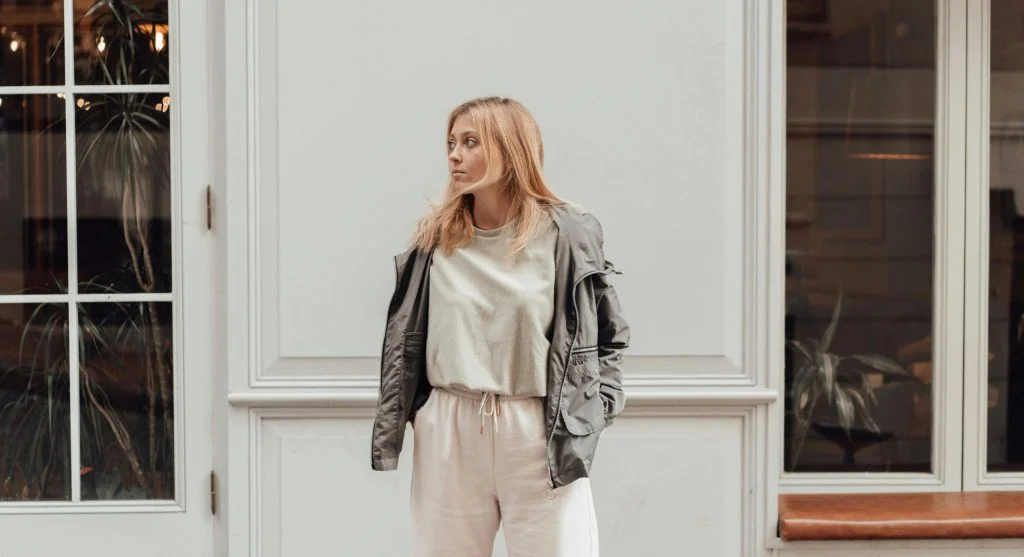
Neutral colors are very useful, but this myth can make daily dressing feel narrower than it needs to be. Soft olive, dusty blue, warm brown, muted pink, or gentle rust can also fit into everyday style if they mix well with the rest of the wardrobe. The real issue is not whether the color is neutral. It is whether it connects easily enough to repeat.
Wardrobe consultants often explain that practical style benefits from connected colors, not only standard neutrals. A wearable palette can include a little more variety without becoming difficult to manage.
Credit: Pırıl Şahin / Pexels
6. Myth: Good daily style comes from shopping more often
Shopping may feel like the easiest answer to outfit frustration, but new purchases do not always solve the real problem. If the wardrobe lacks structure, one more item may only add more decision-making. Daily style usually improves more through better outfit planning and clearer closet habits than through frequent buying.
Retail behavior specialists often note that readers may feel temporary relief after shopping, but the real improvement often comes when the closet becomes easier to use. That is why everyday style usually benefits more from editing and organizing than constant adding.
7. Myth: Everyday style should look effortless without any system
Many readers assume that people who dress well each day simply improvise well. In reality, strong everyday style often depends on quiet systems. These may include repeatable formulas, reliable shoes, one or two useful layers, and clothing kept in an order that supports quick decisions. The style may look easy because the system behind it works.
Wardrobe experts often explain that systems reduce daily friction. The goal is not to make dressing feel rigid. It is to create enough structure that getting dressed no longer feels like solving a new problem every morning.
What usually works better than everyday style myths
Daily dressing usually becomes easier when readers stop chasing dramatic answers and start paying attention to what works repeatedly. Strong fit, simple outfit formulas, useful shoes, calm colors, and well-kept basics often create more reliable style than intense trend chasing or constant reinvention.
Stylists often point out that personal style does not disappear inside these practical choices. Instead, it usually becomes easier to notice because the clothes underneath are working together in a clearer way.
Why simpler outfit habits often create stronger daily style
Simple outfit habits often feel stronger because they survive ordinary life. They work on tired mornings, busy afternoons, and days when the weather changes unexpectedly. That kind of repeatable success is usually what makes everyday style feel dependable over time.
For many readers, daily dressing improves not when the wardrobe becomes more dramatic, but when it becomes more understandable. That is often the point where style stops feeling stressful and starts feeling useful.
Frequently Asked Questions
Q: What are everyday style myths?
A: Everyday style myths are common beliefs that make daily dressing feel harder than it needs to be. These often include ideas that outfits must always look different, shopping solves everything, or practical clothes cannot look polished.
Q: Do repeated outfit formulas hurt personal style?
A: No. Repeated outfit formulas often strengthen personal style because they create a dependable base that still leaves room for small changes in shoes, layers, or accessories.
Q: Can practical style still look polished?
A: Yes. Practical style often looks very polished when fit, balance, color, and clothing condition are handled well. Comfort and usefulness do not remove style.
Q: What helps everyday style feel easier?
A: Everyday style often feels easier when readers rely on repeatable outfit habits, strong basics, and a closet structure that supports fast daily decisions.
Key Takeaway
Everyday style myths often make daily dressing more difficult by adding unrealistic expectations to something that usually works best through simple habits. In most cases, repeatable outfit formulas, practical basics, and a more organized closet system create stronger daily style than constant variety or unnecessary shopping. For many readers, everyday style becomes easier when the myths are removed and real-life practicality becomes the main focus.

Related Posts

Why One Steady Base Layer Shape Can Make Everyday Outfits Feel Easier to Build and More Polished
Why One Calm Outfit Anchor Can Make Everyday Looks Feel More Steady From First Piece to Last