
7 Wardrobe Tips Myths That Can Make Daily Dressing More Difficult
Wardrobe tips are supposed to make daily dressing easier, but some popular ideas end up doing the opposite. Many readers follow advice that sounds helpful at first, only to find that the closet still feels stressful by the middle of the week. In many cases, the issue is not a lack of clothing. It is a set of myths that make outfit planning harder than it needs to be.
Closet organizers, stylists, and wardrobe planners often explain that a practical wardrobe usually depends on clarity, repeat wear, and real-life usefulness. When wardrobe tips myths take over, readers may start chasing perfect closets, buying the wrong pieces, or expecting every item to do too much. That often creates more pressure instead of less.
Why wardrobe tips myths spread so easily
Wardrobe advice often spreads in short, simple rules. Those rules may sound clear, but they do not always reflect how daily dressing works. A closet has to support weather changes, long days, comfort needs, work routines, errands, and repeated use. A rule that sounds neat in theory can become frustrating when it meets real life.
Wardrobe experts often note that useful clothing systems are usually flexible rather than rigid. When advice becomes too absolute, it often turns into a myth that makes dressing feel more complicated instead of calmer.
1. Myth: A better wardrobe always means more clothes
One of the most common wardrobe tips myths is the idea that more clothing automatically creates more options. In reality, more clothing often creates more confusion when the pieces do not connect well. A closet can be full and still feel difficult because the tops do not match the bottoms, the shoes do not repeat easily, or the layers do not fit daily life.
Closet planners often explain that connection matters more than volume. A smaller group of useful pieces can create more real outfits than a larger group of disconnected items.
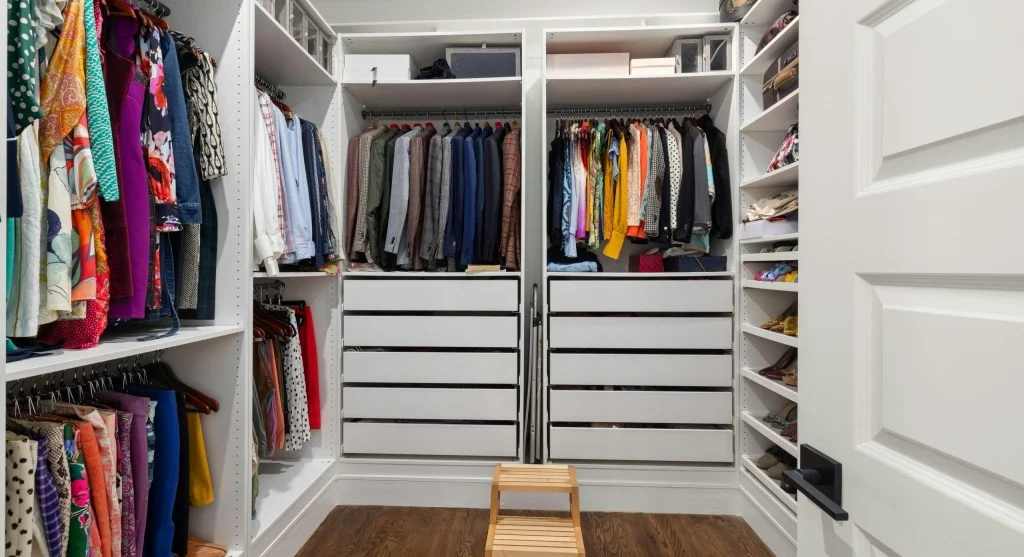
Credit: Curtis Adams / Pexels
2. Myth: Every useful closet must look minimalist
Some readers believe a wardrobe only works well if it becomes extremely minimal. This myth can make people remove too much or force a style that does not fit their routine. A practical closet does not need to look the same for everyone. It needs to be clear enough to use and flexible enough to support real life.
Stylists often point out that some readers do better with a smaller wardrobe, while others need slightly more variety because of work, climate, or daily movement. The goal is not minimalism for its own sake. The goal is a closet that feels manageable.
3. Myth: Outfit planning should create a different look every day
Many readers assume daily dressing should feel new all the time. This often turns normal outfit repetition into a problem when it is actually a strength. One of the most useful wardrobe truths is that repeat wear often shows the closet is functioning well.
Wardrobe consultants often explain that dependable clothing returns often because it already fits the reader’s life. Repeating strong outfit formulas usually saves time and reduces stress. It does not mean the wardrobe has failed.
4. Myth: Basics are enough on their own
Basics are important, but another wardrobe myth is that basics alone solve everything. Basics still need good fit, useful shoes, clear proportions, and a practical routine around them. A plain shirt and simple trousers can still feel awkward if the shape is weak or the shoes do not support the look.
Fashion editors often note that wardrobe basics create the foundation, not the finished outfit on their own. Basics work best when the rest of the styling choices help them do their job clearly.
5. Myth: A piece is useful if it looks good by itself
One of the easiest wardrobe mistakes begins with a beautiful item that does not connect well to the rest of the closet. Readers often keep clothing because it seems appealing on its own, even if it does not support daily dressing. This makes the closet feel more crowded without making it more practical.
Closet organizers often suggest asking whether the piece works in at least three real outfits. If it does not, it may be more decorative than useful in the main wardrobe. Good wardrobe tips usually focus on function, not just attraction.

Credit: Anna Shvets / Pexels
6. Myth: Shoes are a separate problem from the wardrobe
Many readers think of shoes as an extra category rather than part of outfit planning. That often creates trouble because footwear has a huge effect on whether the closet works smoothly. A few dependable shoes that repeat across several outfits often help the wardrobe more than many pairs that only fit one narrow look.
Footwear specialists often explain that shoes shape both style and practicality. They affect comfort, the pace of the day, and visual balance at the same time. This makes them central to a useful wardrobe, not separate from it.
7. Myth: A wardrobe works best when everything is kept visible all the time
Visibility matters, but another common wardrobe tips myth is that every single item needs equal space in the closet at all times. In reality, daily dressing often becomes easier when high-use pieces stay most visible and occasional items move farther back. Not everything needs the same level of attention every week.
Professional organizers often suggest placing the most-used clothing where it can be reached fastest. This creates a clearer working wardrobe for daily life while still allowing less-used pieces to remain available when needed.
What usually works better than wardrobe tips myths
Wardrobes often work better when readers focus on a few practical questions instead of rigid rules. Do the clothes repeat easily? Do the shoes support several looks? Do the colors connect? Does the outfit formula survive a real day? These questions often reveal more than popular myths ever do.
Stylists often explain that a useful closet should lower daily stress, not create new standards to chase. Readers usually benefit more from flexible systems built around real life than from strict advice that ignores how people actually dress through the week.
Why simpler closet habits usually feel more reliable
Simpler closet habits often work best because they are easier to maintain. Keeping useful items visible, repeating strong outfit formulas, checking whether a piece fits at least three outfits, and reviewing what actually gets worn often help more than dramatic closet rules. These habits keep the wardrobe active and practical.
For many readers, daily dressing becomes easier not because the closet becomes perfect, but because the myths lose their power. Once the wardrobe is judged by usefulness instead of image, outfit planning usually feels much lighter.
Frequently Asked Questions
Q: What are wardrobe tips myths?
A: Wardrobe tips myths are common ideas about closets and outfit planning that sound useful but often make daily dressing harder. These myths usually focus too much on rules instead of real-life function.
Q: Do useful wardrobes always need fewer clothes?
A: Not always. Useful wardrobes usually need clearer connection and better repeat wear, not just fewer items. The right number depends on the reader’s routine and needs.
Q: Why is repeat wear important in outfit planning?
A: Repeat wear matters because it shows the closet contains dependable pieces that support real life. Clothing that repeats well usually offers more value than clothing worn rarely.
Q: What is the best way to make a closet more practical?
A: One of the best ways to make a closet more practical is to keep high-use pieces visible, strengthen outfit formulas, and focus on clothing that works in several real combinations.
Key Takeaway
Wardrobe tip myths often make daily dressing more difficult by turning useful closets into a set of rigid expectations. In most cases, practical outfit planning works better when it focuses on repeat wear, coordination between pieces, and habits that fit real life. For many readers, a better wardrobe begins when the myths are removed and usefulness becomes the main priority.

Related Posts

Why One Small Second-Choice Outfit Set Can Make Busy Mornings Feel Less Risky and More Manageable

Why One Small Always-Works Outfit Slot Can Make Daily Dressing Feel Faster and More Reliable