
Why One Small Low-Effort Outfit Rail Can Make Weekday Dressing Feel More Stable and Less Repetitive
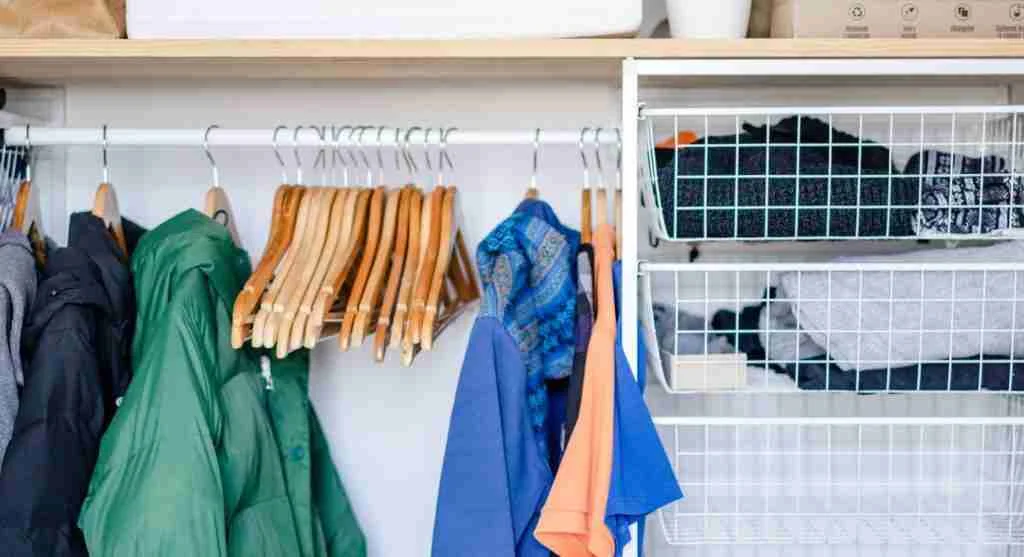
That is why one small low-effort outfit rail can be so useful. This is a compact visible section where the easiest current weekday pieces stay grouped together in a way that reduces friction without turning the wardrobe into a rigid system. It does not have to be a full separate closet. It only needs to hold the pieces that support ordinary dressing with the least resistance. For many readers, this one small setup can make weekday style feel more stable while also helping outfits look less repetitive.
What a low-effort outfit rail actually is
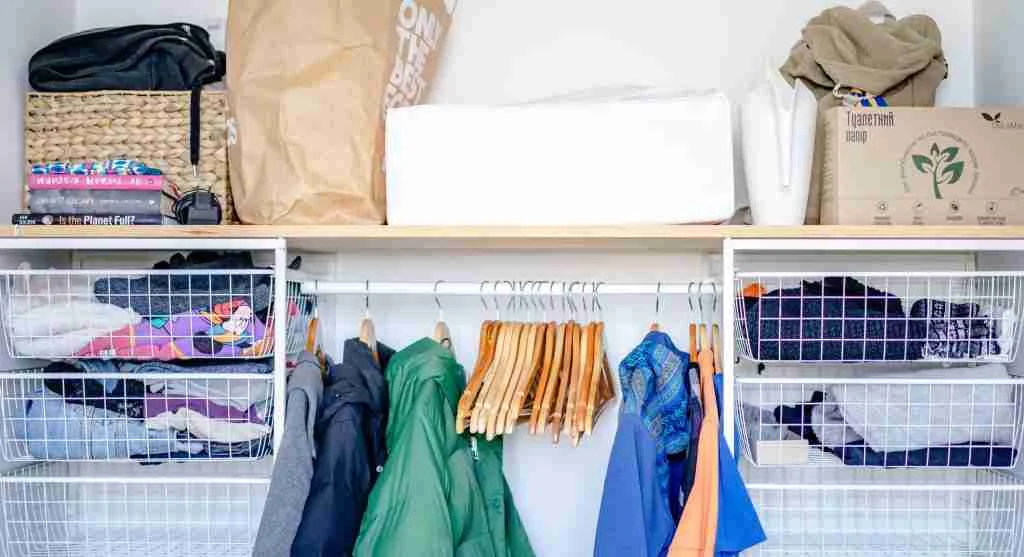
A low-effort outfit rail is a small active clothing zone made up of the pieces most likely to create easy weekday outfits. It may be a short open rail, one visible end of a wardrobe, or one compact section of hanging space used for a few tops, a dependable lower half, one or two repeat-use layers, and sometimes nearby shoes or a bag direction. The purpose is not display. The purpose is access.
This matters because wardrobes become easier when the most dependable clothing stops hiding inside a larger system. A low-effort rail makes the closet show its strongest current weekday answers first instead of asking readers to rediscover them every morning.
Why weekday outfits often feel harder than they should
Weekday dressing usually happens under repeat pressure. Readers may be leaving for work, school runs, errands, or everyday plans that do not require dramatic style decisions but still require clothing that feels right. In that setting, the real challenge is rarely “what do I own?” It is often “what can I trust quickly today?” When every garment is equally visible but not equally useful, the closet starts feeling more demanding than it should.
Wardrobe planners often explain that daily stress comes less from a lack of options and more from a lack of priority. A low-effort outfit rail creates that priority by giving the easiest weekday pieces a visible and practical home.
How the rail reduces weekday decision fatigue
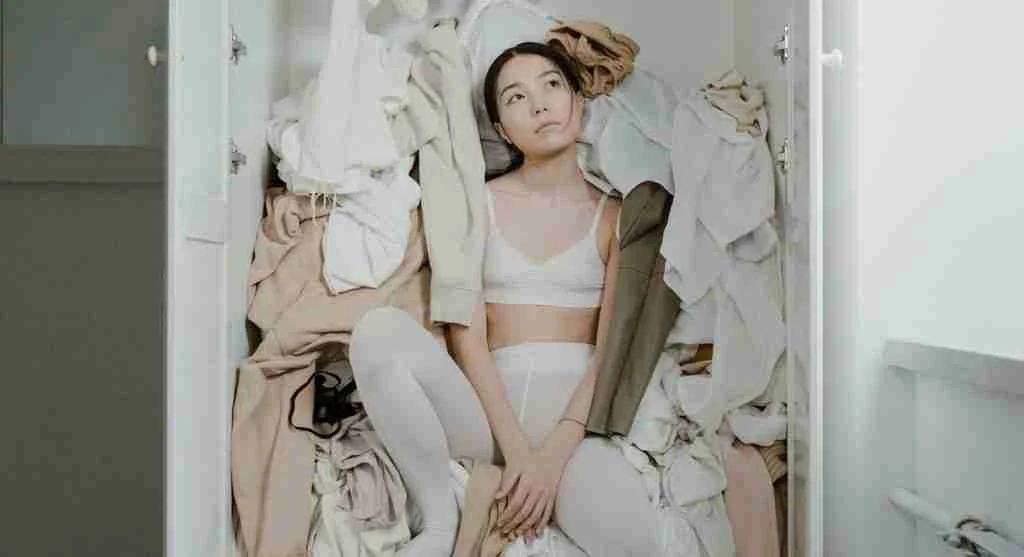
Decision fatigue often begins before the first garment is even chosen. The reader is not only picking clothes but also filtering possibilities, remembering what works, and trying not to make a choice that creates trouble later in the day. A low-effort outfit rail helps because much of that filtering has already happened. The visible pieces are there because they are proven, current, and easy to use.
This changes the emotional feel of getting dressed. The outfit no longer has to emerge from total uncertainty. It begins from a smaller field of pieces that already have a strong chance of succeeding.
Why this can actually reduce repetition, not increase it
At first, some readers worry that grouping the easiest clothing together will make every weekday outfit look the same. In practice, the opposite often happens. Repetition usually feels stronger when readers panic and grab the exact same full outfit formula every time. A low-effort rail improves things because it groups compatible pieces, not one locked combination. That makes it easier to vary the top, switch the layer, or change the shoe mood while still staying inside a dependable zone.
This is one reason the system feels so practical. It creates stability without removing choice. Readers often end up dressing with more confidence and slightly more variety at the same time.
What pieces belong on the rail
The best rail pieces are the ones that repeatedly support weekday life with very little effort. These may include two or three tops that work with the same lower-half shapes, one or two dependable trousers or skirts, one soft structured layer, and perhaps one practical finishing option that regularly completes the look. The exact pieces vary by wardrobe, but they should all share one quality: they behave well on ordinary days.
This keeps the system useful. Once the rail fills with difficult pieces, special-event clothing, or items that only work in ideal circumstances, it stops being low-effort and becomes another source of hesitation.
Why the rail should stay compact
A smaller rail usually works better because it keeps the weekday decision field clear. If too many options move into the active zone, the reader may end up recreating the same overwhelm the system was meant to solve. A compact rail of proven pieces often does more practical work than a larger rail full of uncertain possibilities.
This smaller scale is also what makes updates easier. Readers can refresh the rail as weather, workload, or routines change without turning the whole wardrobe into a major project.
How this helps the wardrobe respond to real life
Weekdays rarely ask for fantasy outfits. They ask for clothes that can move through meetings, errands, lunch plans, weather changes, and ordinary routines without becoming annoying halfway through the day. A low-effort rail supports that reality because it is built around clothes that have already proven they can handle it. The rail becomes a practical response to life rather than a display of possibilities disconnected from it.
This makes the wardrobe feel kinder. It begins supporting the reader where daily pressure actually happens instead of only offering abstract choice.
Why this can reveal what the wardrobe really depends on
Once the rail is built, readers often see their true weekday workers much more clearly. One bottom shape may appear more often than expected. One layer may keep saving the look in changing weather. One top may repeatedly anchor several outfits without drama. This kind of visibility is useful because it shows what the closet depends on in practice, not just what seems attractive in theory.
That honesty can improve future shopping and editing decisions. The wardrobe begins showing where support is strong and where it is still missing.
How often the rail should change
The rail does not need constant changes. It only needs to stay current enough to reflect what is actually useful now. Some readers may refresh it weekly. Others may update it more slowly as the season shifts or as work patterns change. The important thing is that it remains active rather than becoming a fixed display that no longer reflects real weekday needs.
This flexibility is part of what makes the system sustainable. The rail is not meant to be permanent. It is meant to be helpful right now.
Why this makes weekdays feel calmer overall
Closets often feel stressful when every weekday starts from the same wide field of options and the same repeated uncertainty. A low-effort outfit rail reduces that tension by giving the wardrobe one visible point of clarity. Readers can still use the rest of the closet, but they no longer have to rely on it for every daily answer at once. The morning begins with support rather than noise.
For many readers, this is the real benefit. The rail does not only make dressing faster. It makes weekday style feel more stable, more forgiving, and easier to trust.
Frequently Asked Questions
Q: What is a low-effort outfit rail?
A: A low-effort outfit rail is a small visible clothing section that holds the easiest current weekday pieces so getting dressed requires less searching and less stress.
Q: Why does it help weekday dressing so much?
A: It helps because it groups the most dependable weekday clothes together, which reduces decision fatigue and gives mornings a clearer starting point.
Q: What should go on the rail?
A: The best items are repeat-use tops, dependable bottoms, useful light layers, and sometimes practical finishing pieces that work well in everyday weekday life.
Q: How do I keep the rail from becoming cluttered?
A: Keep it compact, use only proven easy pieces, and refresh it when your current weekday needs change so it stays practical and active.
Key Takeaway
One small low-effort outfit rail can make weekday dressing feel more stable and less repetitive because it gives the easiest current pieces one visible place to support real daily life. This reduces closet stress, improves outfit speed, and helps the wardrobe create more dependable weekday combinations with less effort. For many readers, calmer weekday style begins when the best clothing stops hiding inside the larger closet and starts waiting where it can actually help.

Related Posts
Why One Small Repeat-Ready Outfit Corner Can Make Everyday Dressing Feel Easier Without Feeling Boring

Why One Small Final-Check Outfit Space Can Make Daily Dressing Feel More Consistent and Less Chaotic