Why Soft Trend Colors Often Feel Easier to Wear in Everyday Outfits
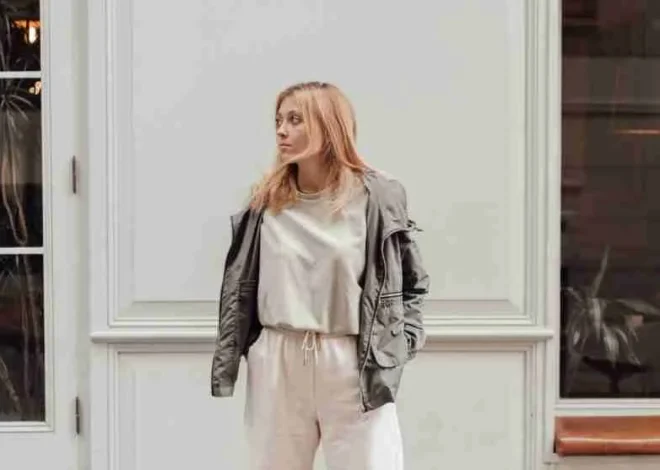
Soft trend colors often feel easier to wear than stronger fashion shades because they update an outfit without taking over it completely. Many readers want everyday outfits to feel current, but they do not always want color to become the loudest part of the look. Softer shades often solve that problem by bringing freshness into the wardrobe while still keeping daily dressing practical.Fashion editors, stylists, and wardrobe planners often explain that wearable color trends usually work best when they fit naturally into clothes already worn often. Soft browns, muted olive tones, dusty blues, gentle butter shades, soft stone colors, and washed pinks often succeed because they feel current without becoming difficult to repeat.
Why soft trend colors often feel more practical than bold ones
Bold colors can look striking, but they sometimes ask more from the rest of the outfit than readers want to give on an ordinary day. A louder shade may require more careful shoe choices, stronger balance in accessories, or more deliberate styling overall. Soft trend colors often feel easier because they sit closer to a calm everyday palette.
Wardrobe experts often note that practical fashion usually depends on repetition. Softer shades tend to repeat better because they blend more naturally with denim, neutrals, simple layers, and everyday shoes. That makes them easier to trust during the week.
How soft trend colors refresh simple outfits
One of the biggest strengths of soft color trends is that they can refresh a simple outfit without changing the full structure. A familiar knit can feel newer in a washed olive shade. A shirt can feel updated in soft blue instead of bright white. A bag or flat can shift the mood of the look without turning the outfit into something harder to wear.
Stylists often explain that small color updates usually work best when the rest of the outfit already makes sense. This is one reason soft trend colors often add just enough change to feel fresh without creating visual stress.
Why soft colors often work well with wardrobe basics
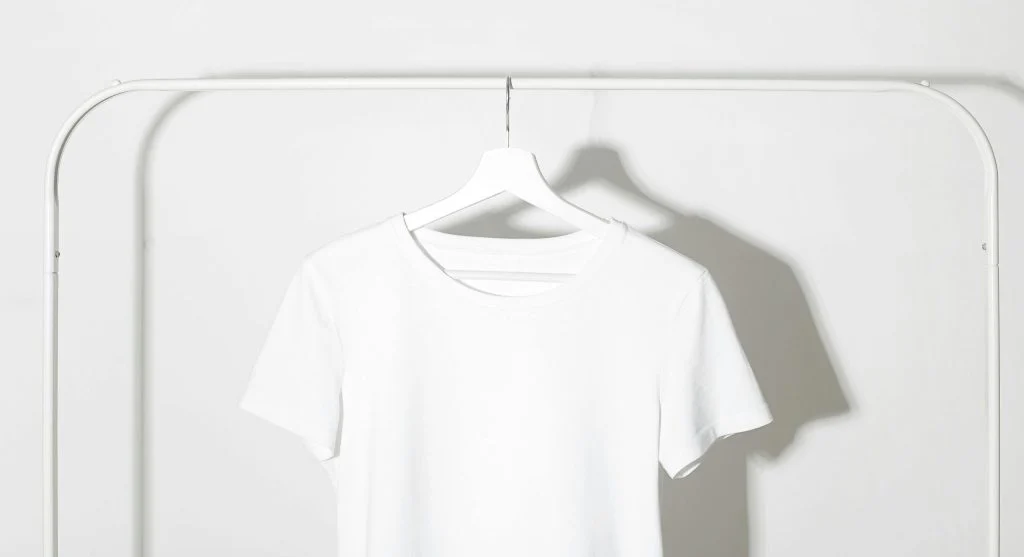
Soft trend colors often succeed because they behave much like wardrobe basics. They usually connect well with black, navy, gray, cream, white, beige, olive, and denim blue. This gives readers more freedom to wear them with clothing they already trust instead of feeling that every new color requires a full new outfit.
Closet planners often note that the best trend colors are usually the ones that work with existing pieces immediately. If a new shade fits several outfits already possible in the wardrobe, it usually becomes much easier to keep in rotation.
How these colors help wearable trends feel less intimidating
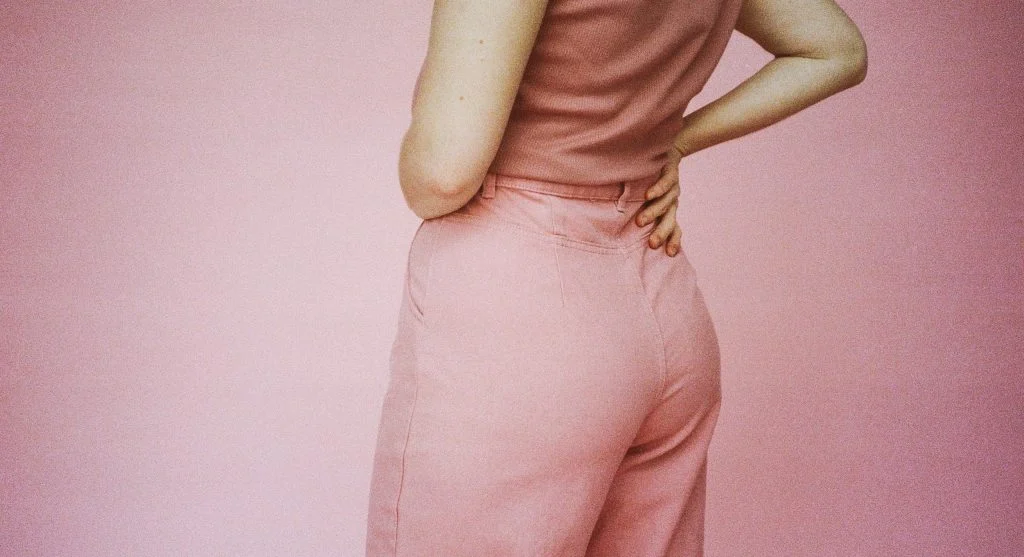
Some readers avoid color trends because they assume trend dressing must look dramatic. Soft tones often make current style feel less intimidating because they offer a smaller step into something new. A dusty rose knit, warm sand blazer, or muted green handbag can feel much more manageable than a brighter or sharper trend color.
Fashion editors often point out that softer trends are especially useful for readers who want freshness without changing their style identity too quickly. The outfit still feels familiar, but it also feels slightly more current.
Why soft trend colors work well across seasons
Many soft trend colors also move well through different parts of the year. A gentle brown can work with knitwear in cooler weather and lighter shirts later. Soft blue and washed green often work well in both transitional and warmer outfits. This makes them especially useful for readers who want longer value from a trend instead of a very short moment.
Wardrobe consultants often explain that versatile colors tend to feel more worth wearing because they do not need a narrow season or one exact outfit type. That flexibility often makes them easier to repeat in real life.
How to keep soft trend colors from looking washed out
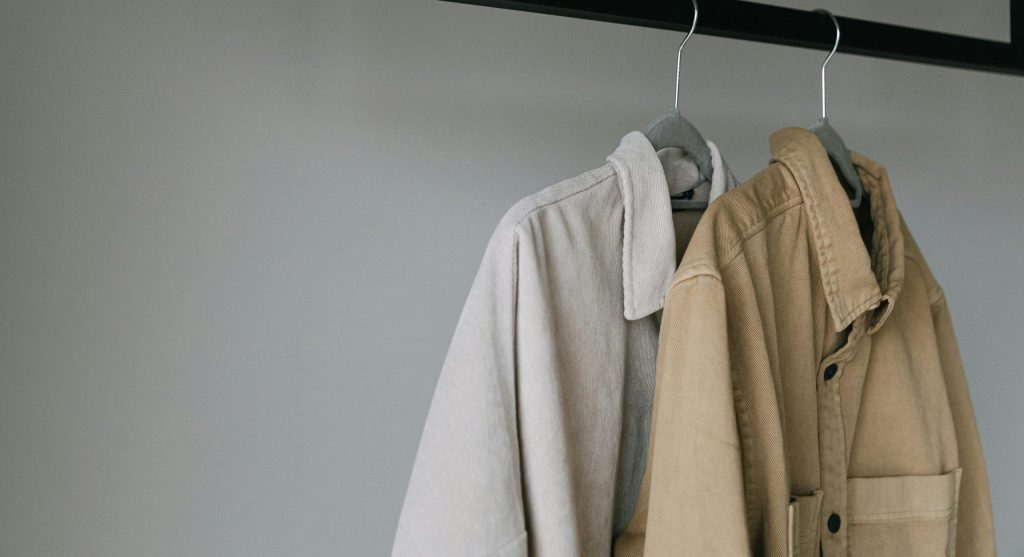
Soft shades often look best when the outfit still has enough contrast to feel clear. This does not mean using very strong color. It may simply mean pairing a soft knit with darker trousers, adding a structured shoe, or using one clearer neutral to ground the look. The outfit usually feels strongest when the softness is balanced by shape or tone elsewhere.
Stylists often explain that color still needs structure around it. When the silhouette is clear and the shoes support the look well, soft trend colors usually appear more intentional and more polished.
Why shoes and bags help these colors feel complete
Soft trend colors often work especially well when shoes and bags help anchor them. A muted top may feel stronger with a darker loafer. A soft-tone dress may feel more balanced with a structured neutral bag. These finishing details help the outfit feel complete without taking away the quiet effect of the color itself.
Footwear and accessory specialists often note that the supporting pieces do not need to match exactly. They simply need to give the outfit enough stability that the soft color feels chosen instead of accidental.
How readers can test soft trend colors without changing too much
One of the easiest ways to test these shades is through one piece at a time. A knit, flat, bag, or shirt often offers enough of an update to see whether the color works in daily life. This keeps the wardrobe stable while still allowing readers to explore current style in a calm way.
Retail specialists often explain that smaller tests usually lead to better long-term use. Readers can see what repeats naturally before deciding whether the shade deserves a larger role in the wardrobe.
Why soft trend colors often stay useful longer
Because they are easier to mix and easier to repeat, soft trend colors often stay wearable longer than stronger seasonal shades. They may stop feeling like a trend at some point, but that often helps rather than hurts. The color simply becomes another useful part of the wardrobe instead of something too specific to wear again.
For many readers, this is what makes soft trend colors so valuable. They offer a fresh update in the present while still leaving room for longer use later.
Frequently Asked Questions
Q: What are soft trend colors?
A: Soft trend colors are current fashion shades that feel muted, calm, and easier to mix into everyday clothing. These often include dusty blue, muted olive, warm beige, soft brown, and gentle butter tones.
Q: Why are soft trend colors easier to wear in everyday outfits?
A: Soft trend colors are easier to wear because they blend more naturally with wardrobe basics and do not demand as much styling effort as brighter shades often do.
Q: Can soft trend colors still feel fashionable?
A: Yes. Soft trend colors can feel very current while still remaining practical. Their strength often comes from how easily they update simple outfits without overwhelming them.
Q: What is the easiest way to try soft trend colors?
A: The easiest way is usually through one piece at a time, such as a knit, shirt, handbag, or flat. This helps readers test the color in real outfits without changing too much at once.
Key Takeaway
Soft trend colors often feel easier to wear in everyday outfits because they refresh the wardrobe without making daily dressing harder. Their calm tone helps them mix naturally with basics, practical shoes, and simple layers. For many readers, soft trend colors offer one of the easiest ways to make everyday style feel current while still staying wearable.