
How to Make a Small Wardrobe Section Work Harder Than the Rest of the Closet
Many readers assume the whole closet needs to work equally hard, but daily dressing rarely happens that way. In most wardrobes, a smaller section ends up doing most of the real work. These are the shirts, trousers, layers, and shoes that keep returning because they fit well, mix easily, and support normal life without much effort. Once that working section becomes clearer, getting dressed often becomes much easier.
Closet organizers, stylists, and wardrobe planners often explain that strong wardrobes do not always depend on using everything equally. They depend on making the most useful part of the closet work very well. That is why building a smaller working section inside the wardrobe often helps more than trying to make every single item matter in the same way.
Why a small wardrobe section often carries the whole week
Most people reach for the same types of clothing when mornings are busy. They choose the pieces that already feel reliable. These might include one or two dependable shirts, a useful knit, straight trousers, good denim, practical shoes, and one light outer layer. These items often support workdays, errands, changing weather, and tired mornings more easily than the rest of the closet.
Wardrobe experts often note that these repeated pieces reveal the real center of the wardrobe. Instead of fighting that pattern, readers often benefit more from strengthening it.
Step 1: Identify the clothes that already repeat naturally
The first step is noticing which pieces already do most of the work. These are usually the items worn often without much hesitation. A shirt that keeps returning from the laundry, a trouser that works with several tops, or a shoe that keeps solving outfit problems often belongs in the small working section of the closet.
Closet planners often recommend using real behavior instead of guesswork. The clothes worn most often are usually showing exactly what the wardrobe depends on.
Step 2: Move the best pieces into the clearest view
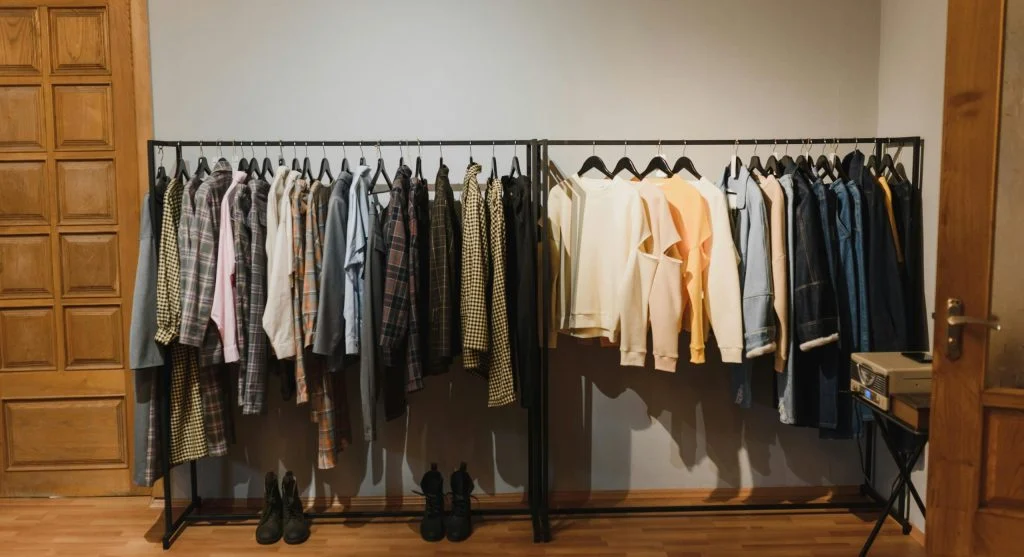
Once the strongest items are identified, they should become the easiest to reach. A small wardrobe section works best when shirts, knitwear, trousers, denim, and everyday shoes are placed where they can be seen quickly. This helps daily dressing because readers usually choose from what is most visible first.
Professional organizers often explain that visibility changes behavior. Strong clothing becomes even more useful once it no longer competes with everything else equally.
Step 3: Build the section around repeatable outfit formulas
A working wardrobe section should support real outfit formulas, not just good-looking single pieces. A shirt plus trousers plus loafers, knitwear plus denim plus sneakers, or dress plus jacket plus flats may all form formulas that already work. The smaller wardrobe section becomes stronger when it is built around combinations like these instead of isolated items.
Stylists often explain that formula dressing reduces stress because it gives the reader a trusted structure. The outfit may still change, but the base logic remains clear.
Step 4: Keep only pieces that work in several outfits
A small wardrobe section becomes more powerful when every piece can support multiple combinations. One strong shirt might work with two trousers and one denim pair. One jacket might support several tops. One dependable shoe might connect several looks through the week. This kind of overlap is what gives the section real value.
Wardrobe consultants often suggest using a simple test: can this piece work in at least three practical outfits? If the answer is no, it may not belong in the main working section.
Step 5: Let shoes become part of the system
Many readers think of shoes separately, but shoes often decide whether a small wardrobe section truly works. Loafers, simple sneakers, flats, or low boots that support several outfits often make the section feel complete. Without dependable shoes, even good tops and trousers may stay harder to use consistently.
Footwear specialists often note that daily style becomes easier when a few shoes can handle several mood shifts and practical needs. This is why shoes should sit close to the working wardrobe section rather than far from it in the closet plan.
Step 6: Use connected colors to make the section easier to mix
A small wardrobe section works hardest when the colors already support each other. Navy, black, gray, white, beige, olive, denim blue, and soft brown often mix well enough to make quick outfit planning easier. This does not mean all color must disappear. It means the section should have enough connection that combinations happen naturally.
Wardrobe experts often explain that color connection increases repeat wear because fewer visual obstacles stand in the way of building the next outfit.
Step 7: Protect the section with a weekly reset
Once the small section starts working well, it needs a little maintenance. A short weekly reset can return strong pieces to the front, check what was worn most, and notice what stopped working during the week. This keeps the section tied to real life instead of slowly becoming cluttered again.
Organizers often point out that small systems stay useful when they are lightly maintained. A short reset usually protects the working wardrobe better than one large overhaul later.
Step 8: Let the rest of the closet support, not compete
A strong small wardrobe section does not mean the rest of the closet has no value. It simply means that the other items should support the section instead of competing with it every morning. Occasion wear, highly seasonal pieces, or less-used items can still stay in the wardrobe, but they do not need equal daily attention.
This often helps the closet feel calmer. The most useful section handles the week, while the rest of the clothing becomes available when truly needed instead of interrupting everyday dressing.
How a small working section can make the whole wardrobe feel better
Once readers build a smaller section that really works, the whole wardrobe often begins to feel easier. Outfit planning speeds up, favorite formulas become clearer, and less-used pieces are easier to judge honestly. This can even improve shopping decisions because the reader starts seeing what the working section actually needs and what it already does very well.
For many readers, the goal is not making every item equal. The goal is building one part of the closet that keeps daily life moving with less effort and more confidence.
Frequently Asked Questions
Q: What is a small wardrobe section?
A: A small wardrobe section is the part of the closet made up of the most useful, repeatable pieces that support everyday outfit planning most often.
Q: Why should a small wardrobe section work harder than the rest?
A: It usually works harder because daily dressing depends on a few reliable pieces more than the full closet. Strengthening that section often makes mornings much easier.
Q: What belongs in a working wardrobe section?
A: Useful shirts, knitwear, trousers, denim, dependable shoes, and one or two easy outer layers usually belong in a strong working wardrobe section.
Q: Does this mean the rest of the closet is unnecessary?
A: No. The rest of the closet can still be useful, but it often works best as support for special needs, seasons, or occasions instead of competing with the daily core section.
Key Takeaway
A small wardrobe section often works harder than the rest of the closet because it holds the pieces that support daily life most reliably. When those clothes become easier to see, easier to repeat, and easier to combine, the whole wardrobe usually feels stronger. For many readers, better style starts by building a small core section that handles most of the week with less effort.

Related Posts

Why One Small Second-Choice Outfit Set Can Make Busy Mornings Feel Less Risky and More Manageable

Why One Small Always-Works Outfit Slot Can Make Daily Dressing Feel Faster and More Reliable