8 Small Outfit Errors That Can Make Good Clothes Look Less Intentional
Some outfits feel slightly off even when every piece looks good on its own. The shirt is nice, the trousers fit well enough, and the shoes are perfectly fine, yet the full result still looks less polished than expected. In many cases, the issue is not a major fashion mistake. It is one of several small outfit errors that weaken the final look.
Stylists often explain that everyday outfits are shaped by tiny decisions just as much as bigger style choices. A crowded hem, the wrong shoe mood, too many visible details, or an awkward fabric mix can all make an outfit feel less intentional. The good news is that these problems are usually easy to notice and even easier to fix once readers know what to look for.
Why Small Outfit Errors Matter So Much
In simple daily dressing, small details carry more weight. There are fewer dramatic pieces to distract the eye, so the overall outfit depends more on fit, balance, and how each piece works with the others. That is why a small mistake can change the mood of the whole look more than readers might expect.
Fashion editors often note that polished style rarely comes from doing something dramatic. It usually comes from removing friction between the pieces already being worn. The goal is not perfection. It is clarity.
1. Wearing the Right Clothes With the Wrong Shoe Mood
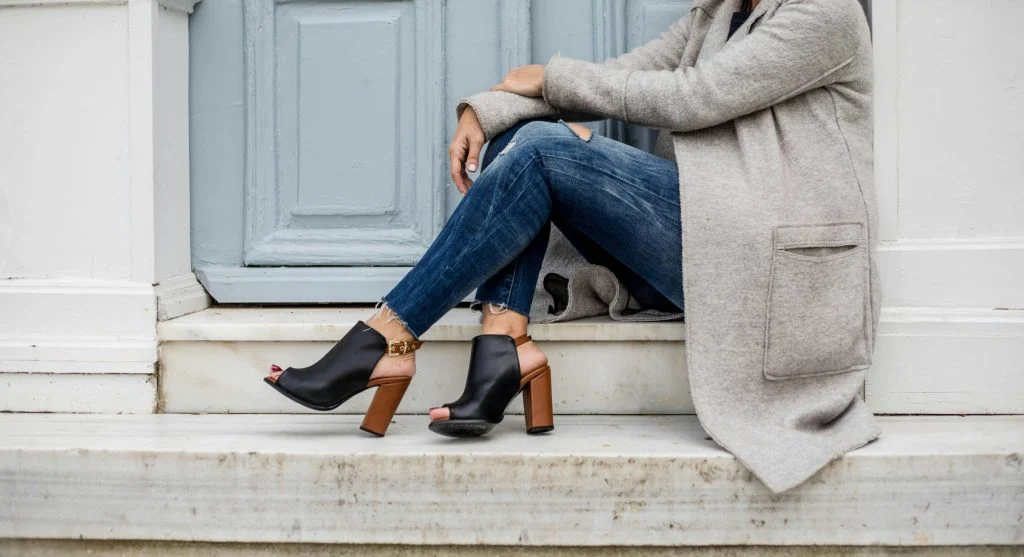
One of the most common outfit errors is choosing shoes that do not match the tone of the rest of the look. A very sporty sneaker can make a tailored outfit feel too casual, while a sharper loafer or boot can make a relaxed combination feel more controlled than intended. The clothing may be strong, but the shoes can shift the whole direction.
Footwear specialists often explain that shoes carry both style and energy. When the shoe mood supports the outfit, the whole look feels more believable.
2. Letting One Piece Look Slightly Tired
Readers often focus on the outfit idea and overlook the condition of the clothing. A wrinkled shirt, dull shoe, stretched neckline, or worn handbag can quietly pull down the rest of the look. This becomes especially noticeable in outfits built from basics because the eye reads the details more clearly.
Garment care professionals often point out that polished style depends on maintenance as much as styling. One tired-looking item can make several good pieces seem less finished.
3. Ignoring the Line at the Hem
Hems often decide whether an outfit looks deliberate or awkward. Trousers that bunch too much over the shoe, denim that stops at an odd point, or skirts that fall in a slightly weak place can all make the outfit feel less balanced. Many readers think of hems as only a tailoring detail, but they often affect the full visual rhythm of the look.
Stylists often explain that a cleaner hem helps the eye move through the outfit more easily. That one improvement can make basic pieces look much stronger.
4. Mixing Too Many Fabric Moods at Once
Texture can improve an outfit, but too many unrelated fabric moods can make the look feel confused. For example, a very soft casual knit, a glossy bag, rigid tailored trousers, and a sporty shoe may all work separately, yet together they may not create one clear message. Good outfits usually include some contrast, but they still need enough harmony to feel connected.
Wardrobe planners often recommend checking whether the fabrics seem to belong to the same day and purpose. If they do not, the outfit may feel less intentional.
5. Trying to Fix Simplicity by Adding Too Much
Many everyday looks go off course when readers start with a clean outfit and then add too many visible details. One extra necklace becomes two, the calm bag gets replaced with a stronger one, and a useful layer turns into another statement. This often happens because the outfit seems too plain at first, but the fix creates clutter instead of polish.
Stylists often say that simple outfits usually need trust, not extra decoration. One strong detail is often enough.
6. Wearing Pieces That Are All Equally Loose or Equally Sharp
Outfits often look better when the shape has some contrast. If everything is oversized, the look may feel heavy. If everything is very sharp and narrow, the outfit can feel stiff. Readers do not need dramatic proportion tricks, but they do benefit from a little visual balance between softer and cleaner lines.
Style professionals often note that balance is easier to achieve than many people think. One relaxed piece and one clearer piece often do enough.
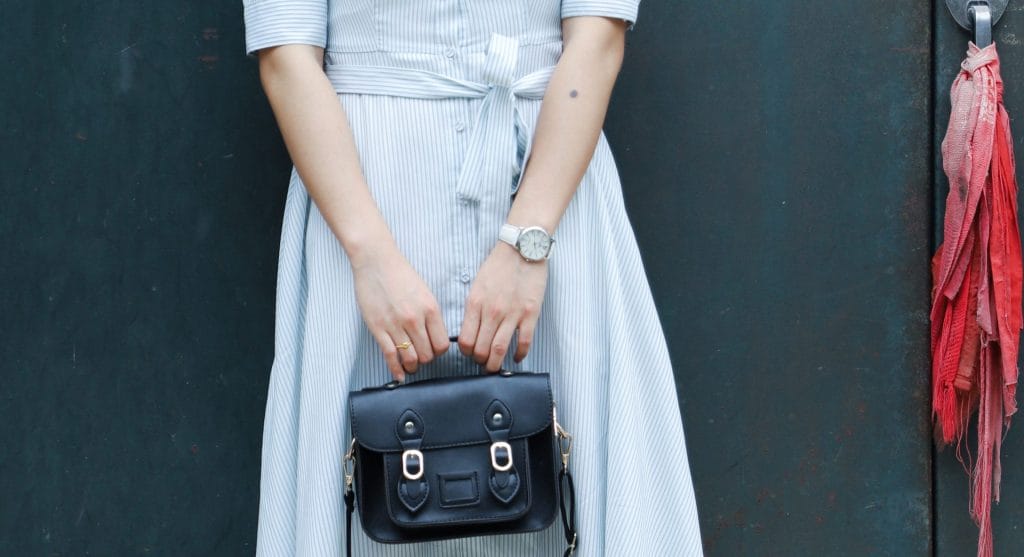
7. Choosing a Bag That Interrupts the Outfit Instead of Supporting It
Bags often get treated as an afterthought, but they can either support the outfit or interrupt its flow. A very structured bag may feel too formal for a soft, relaxed look, while a casual bag can weaken a polished outfit. The bag does not need to match exactly, but it should make sense with the rest of the clothing.
Accessory specialists often explain that the best bags work like supporting actors. They strengthen the look without fighting for all the attention.
8. Forgetting to Check the Whole Outfit in One View
One of the simplest outfit errors is not looking at the full look from head to toe before leaving. A reader may check the shirt fit in one mirror and the shoes by the door, but never see the full combination together. This often allows small imbalances to go unnoticed.
Fashion editors often recommend taking one full look at the outfit in a mirror or photo. Small issues usually become much easier to spot once the whole outfit is seen as one picture instead of separate parts.
How to Fix These Outfit Errors Quickly
Most of these problems do not require new clothes. A better shoe choice, a quick steam, one removed accessory, a cleaner bag, or a stronger hemline can often improve the outfit immediately. That is what makes these mistakes so useful to learn. They are small, but they are fixable.
Over time, readers often find that better outfits come less from shopping and more from observation. Once the common small errors become easier to notice, the wardrobe usually starts looking stronger without becoming more complicated.
Frequently Asked Questions
Q: What are small outfit errors?
A: Small outfit errors are minor styling problems that make a look feel less intentional, such as the wrong shoes, weak hems, tired-looking pieces, or too many visible details.
Q: Why do good clothes still look off together sometimes?
A: Good clothes can still look off together when the styling choices around them do not support a clear balance. The issue is often in the relationship between the pieces, not in the pieces themselves.
Q: Can I fix these outfit errors without buying anything new?
A: Yes. Many outfit errors can be improved through editing, steaming, better shoe choices, improved maintenance, and checking the full outfit before leaving.
Q: What is the fastest way to make an outfit look more intentional?
A: The fastest way is often to simplify one detail, check the shoes, and make sure the clothing looks cared for and balanced from head to toe.
Key Takeaway
Small outfit mistakes can make good clothes feel less intentional, but most of them are easy to fix once readers know what to notice. Better shoe choices, cleaner hems, proper maintenance, and a more careful final edit can improve a simple outfit more than buying extra pieces. For many readers, the difference between an average look and a polished one comes down to a few small adjustments.