Why Copying Outfit Photos Too Closely Can Make Everyday Style Feel Less Natural
Outfit photos can be useful, inspiring, and full of good ideas. They can also lead to one of the easiest fashion mistakes in everyday dressing: trying to copy the whole look too exactly. A photo may show the right colors, shape, and mood, but daily life does not always offer the same lighting, body proportions, schedule, weather, or comfort level.
That is why an outfit that looks effortless on a screen can suddenly feel strange, stiff, or overdone when recreated at home. The problem is usually not inspiration itself. The problem is treating the photo like a rule instead of using it as a guide. Everyday style tends to work better when readers borrow the idea behind a look rather than every visible detail.
Why Outfit Photos Feel More Convincing Than They Really Are
Fashion images are usually controlled very carefully. The pose, lighting, setting, styling, and exact moment all help the outfit look stronger. In real life, clothing has to do more than photograph well. It has to handle sitting, walking, weather, errands, and normal movement. Once those everyday conditions enter the picture, a copied look may not behave the same way.
This does not mean outfit photos are unhelpful. It simply means they are starting points, not finished answers. The strongest style inspiration usually comes from understanding what the image does well, then rebuilding that idea in a more practical way.
Why Exact Copying Often Becomes a Fashion Mistake
When readers copy outfit photos too closely, they often skip one important question: does this actually fit my day? A style photo may include a shoe that looks great in one frame but feels wrong for walking. A jacket may look elegant in the image but feel too structured for a full workday. A layered look may seem balanced on screen yet become too warm or crowded in real life.
Fashion mistakes often happen at this point. The outfit may still look “correct” compared with the reference, but it no longer feels right for the person wearing it. Daily style tends to weaken when outside inspiration matters more than real comfort and routine.
What Outfit Photos Are Actually Best Used For
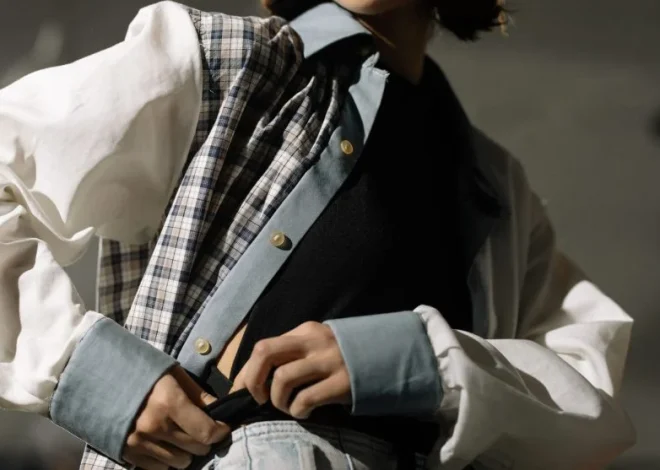
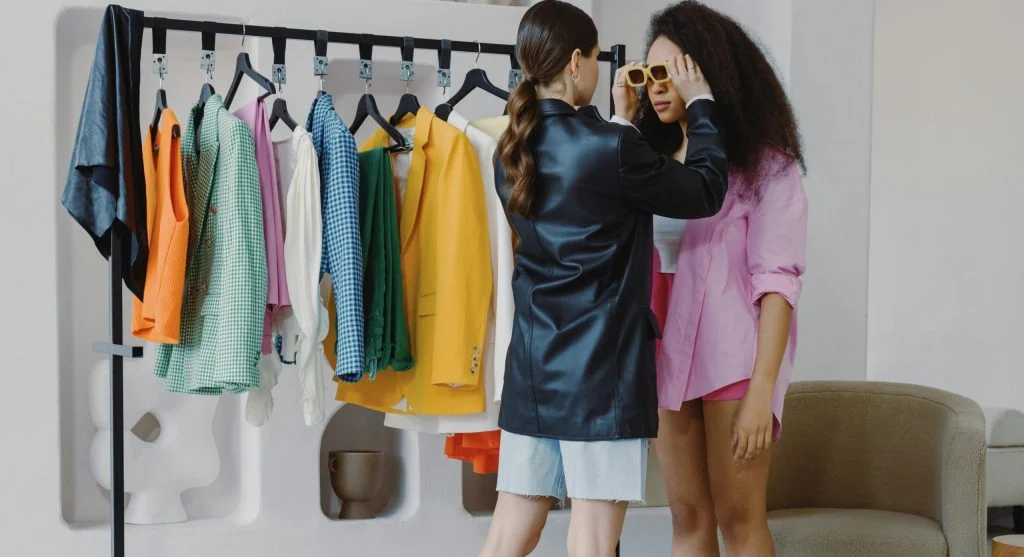
Outfit photos often work best when they help answer one specific question. Maybe the useful part is the color combination. Maybe it is the way the shirt is layered under a jacket. Maybe it is the balance between wider trousers and a cleaner top. Instead of copying the entire outfit, readers usually get better results when they isolate the strongest idea inside it.
This makes inspiration more flexible. One image can teach shape, another can teach color, and a third can suggest better layering. The wardrobe becomes more personal because the reader is learning from style instead of trying to duplicate it exactly.
Why Body Shape and Proportion Change the Outcome
An outfit can look completely different depending on the proportions of the person wearing it. A longer jacket, wider hem, shorter top, or chunkier shoe may create one effect in a photo and a very different one on someone else. That does not mean the outfit idea is wrong. It simply means the proportions may need adjusting.
This is one reason copied looks often feel slightly off. Readers may be recreating the visible pieces while missing the proportion changes needed for their own frame. A better result often comes from translating the balance rather than copying the exact garments.
Why Lifestyle Should Shape the Final Outfit More Than the Photo
An image does not show everything about the day ahead. It does not show how long the outfit needs to stay comfortable, how much walking is involved, whether the weather will shift, or whether the reader will need to carry bags, sit for hours, or move quickly between tasks. Real life places demands on clothes that inspiration photos do not always reveal.
That is why personal routine should usually matter more than visual accuracy. If a simple sneaker works better than the exact shoe in the photo, the outfit will often look better in real life once that change is made. Practical replacements are not a failure. They are good styling.
How to Adapt Inspiration Instead of Copying It
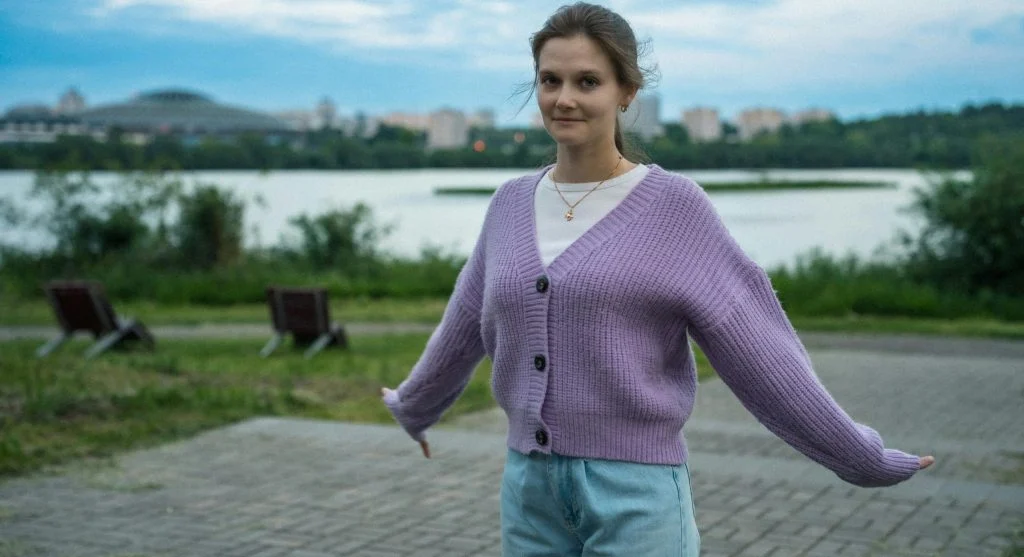
One useful method is to break the outfit photo into three parts: silhouette, color, and mood. The silhouette asks whether the outfit is fitted, relaxed, structured, or soft. The color asks which tones are doing most of the work. The mood asks whether the look feels polished, casual, sharp, or quiet. Once readers understand these three things, they can build a version using their own wardrobe.
This often leads to stronger outfits because it keeps the spirit of the inspiration while making the clothing more honest and wearable. The result still feels guided by fashion, but not trapped by it.
Why One Translated Detail Often Works Better Than a Full Copied Look
Readers usually get more value from taking one idea and using it well. A useful trouser shape from one photo, a layering trick from another, or a bag-and-shoe balance from a third can all improve the wardrobe more than one exact copied outfit ever could. This creates style that belongs to the reader instead of style that feels borrowed for one day only.
Over time, this also improves judgment. The reader becomes better at noticing which details truly help and which ones only looked good in a very controlled photo.
How Copying Less Can Actually Make Style Stronger
When readers stop copying outfit photos too closely, they often start dressing with more confidence. They trust their own proportions, their own pace of life, and the pieces that already work for them. The outfit still benefits from inspiration, but it stops feeling like a costume or a test.
This often makes everyday style look more natural. The outfit feels connected to the person instead of simply connected to the image. That is usually when style begins to feel much easier and much more personal.
Frequently Asked Questions
Q: Is it bad to copy outfit photos?
A: Not always, but copying them too exactly can create problems when the look does not suit your routine, comfort needs, proportions, or real-life setting.
Q: What should I take from outfit inspiration instead?
A: It usually helps to take the main idea, such as the silhouette, color balance, or mood, rather than trying to recreate every visible detail exactly.
Q: Why do copied outfits sometimes feel wrong in real life?
A: They can feel wrong because fashion images are highly controlled, while real life includes walking, sitting, weather, time pressure, and personal comfort needs that the photo does not show.
Q: How can I make outfit inspiration feel more personal?
A: Use the photo as a guide, then rebuild the look with clothes that already work for your body, routine, and comfort. This helps the final outfit feel more natural and easier to wear.
Key Takeaway