Why One Small Landing Spot Near the Door Can Make Daily Life Feel More Organized
Many daily frustrations begin in very small ways. A missing key, a wallet left in another room, shoes placed in the wrong corner, or a bag that never returns to the same spot can create more stress than they seem to deserve. These little problems are easy to dismiss, but when they repeat often enough, they can affect the whole rhythm of the day.
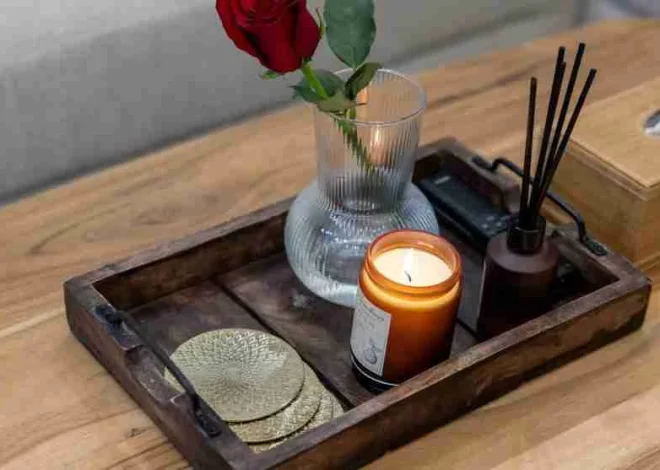
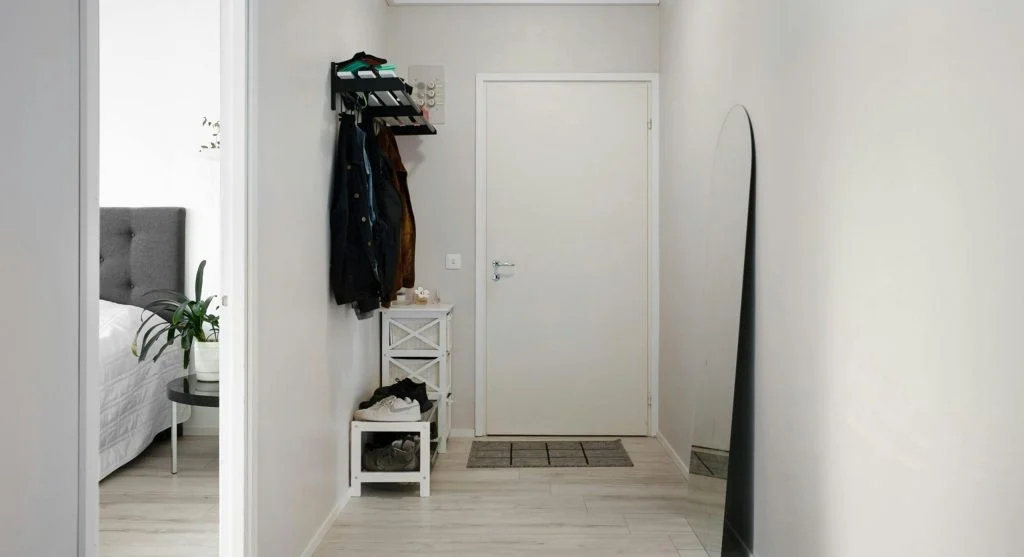
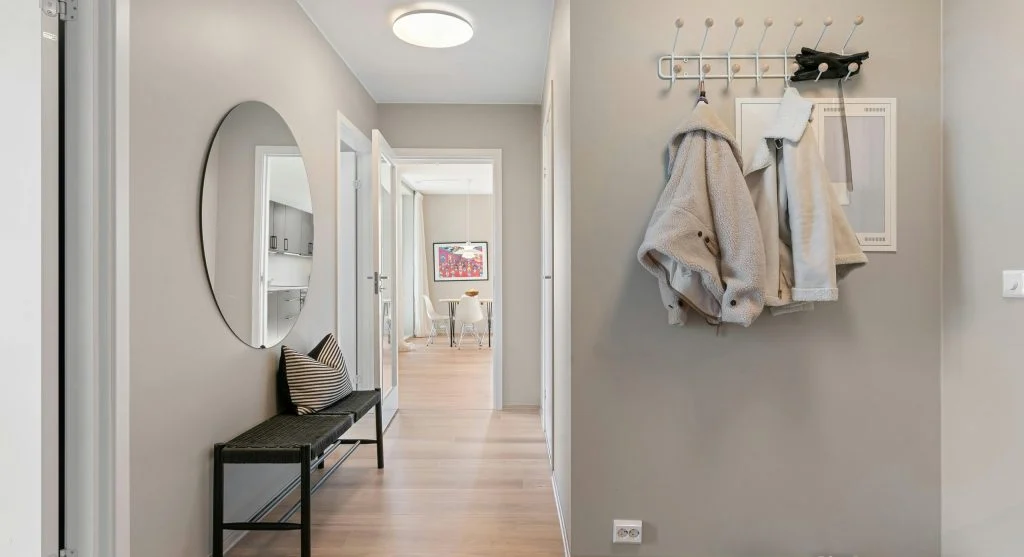
That is why one small landing spot near the door can be so useful. It does not need to be large or expensive. A tray, shelf, hook, basket, or narrow table can be enough. What matters is not the furniture itself. What matters is creating one dependable place where the most important everyday items naturally arrive and wait for the next use. In many homes, this tiny zone does far more than its size suggests.
What a Landing Spot Near the Door Actually Does
A landing spot works like a checkpoint between home and the outside world. It is where keys return, bags rest, shoes pause, and small essentials stop moving randomly through the house. Instead of letting these objects travel from room to room, the home gives them one consistent place to land.
This matters because everyday organization is often less about storage and more about return. People usually know which items are important. The real problem is that those items do not always come back to the same location. A landing spot solves that problem in a simple, visible way.
Why the Door Area Affects the Whole Day
The area near the door often shapes how mornings begin and how evenings end. It is the place where readers rush out, come home tired, set things down quickly, and make last-minute decisions. Because it gets used so often, even small disorder there can create repeated friction. When the entry area feels chaotic, leaving home can feel harder than it should.
Home organizers often explain that high-traffic zones need simple systems more than perfect decoration. The door area is one of those places. A small amount of structure there can improve many parts of daily life without requiring a major home reset.
How This Simple System Reduces Searching
One of the clearest benefits of a landing spot is that it reduces the constant search for everyday items. Readers often lose time not because they own too much, but because the most important things never settle in one reliable place. The result is a repeated cycle of checking tables, pockets, counters, and bags before leaving home.
When a landing spot exists and is used consistently, searching often drops quickly. The brain stops treating keys, cards, or glasses like moving targets. It learns one expected location, and that lowers daily stress in a very practical way.
Why Smaller Systems Often Work Better Here
A landing spot is often strongest when it stays limited. A large drop zone can easily become another clutter area. A smaller tray, one basket, or one shelf usually works better because it gives each item less room to spread. The space stays focused on the things that truly matter near the door instead of collecting random household overflow.
This smaller scale often makes the system easier to maintain. Readers can tell quickly when something does not belong there, which helps the zone keep doing its real job.
What Usually Belongs in a Door Landing Spot
The best items for this space are the ones needed repeatedly when entering or leaving home. Keys, wallets, sunglasses, access cards, reusable bags, and sometimes mail or one notebook may belong there, depending on the reader’s routine. Shoes may also fit nearby if that supports the household flow.
The key is not placing everything near the door. It is placing the right things there. The landing spot should hold essentials, not become a general storage area for anything that does not have another home.
How This Helps Busy Mornings Feel Smoother
Busy mornings often feel stressful because too many tiny decisions happen at once. What to wear, what time it is, whether everything is packed, and where the keys are can all arrive at the same moment. A landing spot removes at least part of that pressure. When the most important exit items are already in place, the morning begins with one less obstacle.
This can make the whole routine feel lighter. The reader may still have a full day ahead, but the home is no longer adding the same repeated delay before the day even starts.
Why the System Helps Evenings Too
The value of a landing spot does not begin only in the morning. It often begins the moment readers come home. Instead of dropping belongings in random places, they have one clear place to end the movement of the day. This can make evenings feel calmer because the home begins resetting in a small automatic way without needing a full tidy right away.
That is one reason this habit becomes so useful over time. It quietly creates order at both ends of the day, which is where many small household problems begin.
How to Make the System Easier to Keep
The best way to keep a landing spot working is to make it visible, simple, and close enough to the door that it feels natural to use. If the spot is too far away, too hidden, or too complicated, people often return to the old habit of dropping items wherever they stop first. The system should feel easier than the old habit, not more demanding.
It also helps to define what belongs there from the beginning. When the zone has a clear purpose, it is much less likely to drift into clutter.
Why This Kind of Organization Feels More Realistic
Some home organization systems fail because they ask readers to remember too many steps. A landing spot works differently. It supports a behavior that is already happening. People are already arriving and leaving. The system simply gives those moments a more useful structure. That is what makes it realistic and repeatable.
For many households, the most effective organization is not dramatic. It is small, visible, and tied to something that happens every single day. A landing spot near the door fits that idea very well.
Frequently Asked Questions
Q: What is a landing spot near the door?
A: A landing spot near the door is a small organized area where everyday essentials like keys, wallets, bags, or shoes return when entering or leaving home.
Q: Why does this kind of system help so much?
A: It helps because it reduces searching, lowers morning stress, and creates one dependable place for the items people need most often during daily transitions.
Q: What should not go into a landing spot?
A: Items that are not part of daily entering and leaving should usually stay elsewhere. The landing spot works best when it remains focused on real essentials instead of general clutter.
Q: Do I need a large entryway to make this work?
A: No. Even a small tray, wall hook, narrow shelf, or tiny basket can work well as long as it stays close to the door and is used consistently.
Key Takeaway