
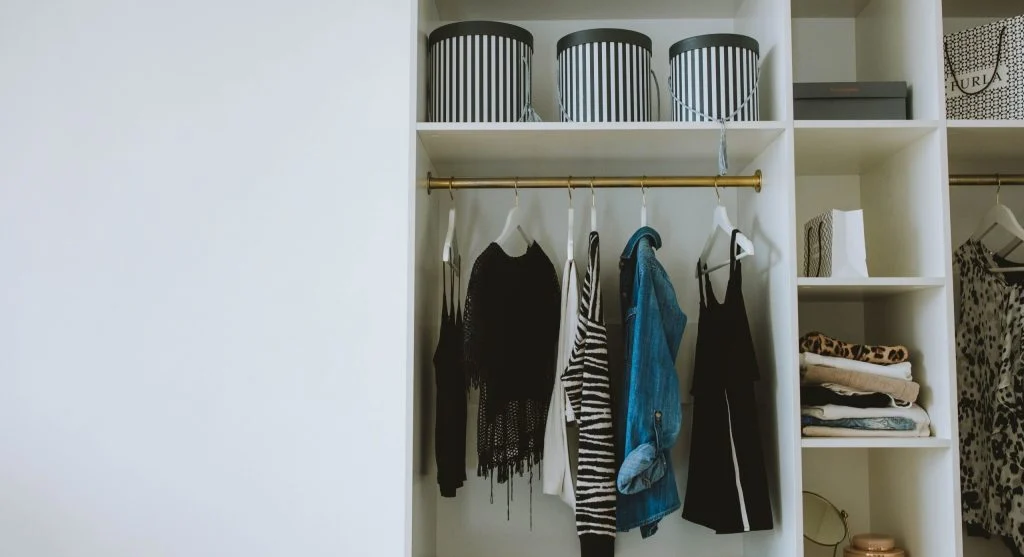
8 Smart Closet Adjustments That Can Make Weekday Dressing Feel More Automatic
Weekday dressing often feels harder than it needs to because the closet asks for too many decisions before the day has even started. A reader may already own useful clothes, good shoes, and plenty of outfit options, yet mornings still feel slow because nothing is arranged for real weekday speed. The problem is not always poor style. More often, it is unnecessary friction.
Small closet adjustments can make a big difference. The goal is not to create a perfect showroom wardrobe. It is to build a setup that helps the right pieces show up quickly when time is limited. When clothes are easier to see, easier to combine, and easier to trust, weekday dressing often becomes much more automatic.
Why Weekday Dressing Depends So Much on Closet Layout
Morning outfit choices rarely happen under calm, ideal conditions. Readers may be thinking about work, errands, messages, weather, and timing all at once. In that moment, the closet does not need to offer endless creative possibilities. It needs to make strong choices feel obvious. That is why layout matters. A good setup reduces hesitation before it starts.
Wardrobe organization works best when it matches real daily behavior. The clothes worn most often should be easiest to reach, finishing pieces should stay nearby, and distracting low-use items should not slow down the whole process.
1. Move Your Most-Worn Weekday Pieces Into One Visual Line
One of the smartest closet adjustments is placing the strongest weekday clothes together in one clear line of sight. These might be the shirts, trousers, knitwear, or dresses that readers rely on most from Monday to Friday. When these pieces sit together, outfit planning becomes simpler because the main part of the wardrobe appears first.
This works because the eye no longer has to jump between special-occasion pieces, casual extras, and everyday basics. The most useful items finally get the attention they deserve.
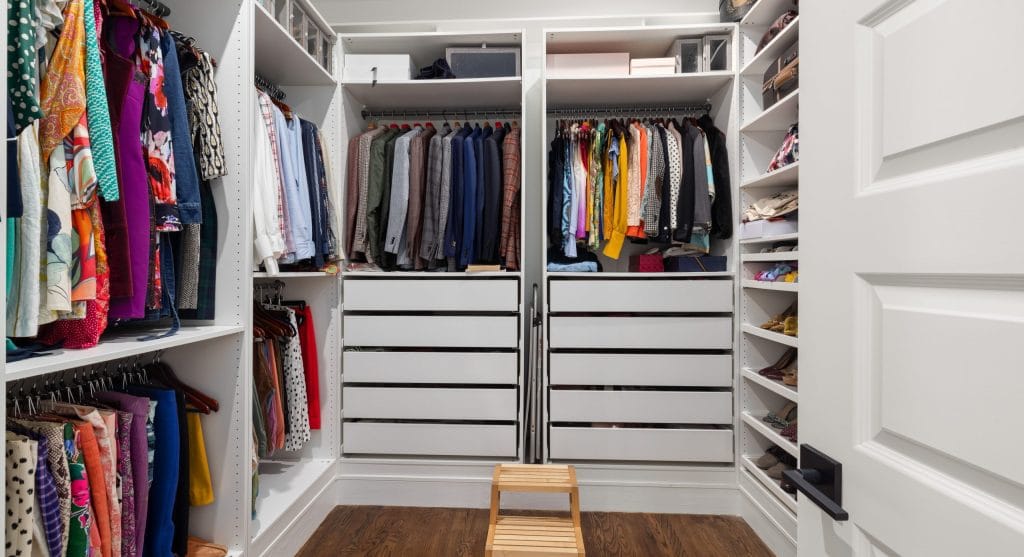
2. Keep One Layer Category Close to Your Daily Basics
Many weekday outfits slow down when it is time to add a layer. A shirt may be easy to choose, but then the reader has to search somewhere else for the right cardigan, jacket, or blazer. Keeping one main layer category close to daily basics often makes the outfit easier to finish. The closet starts working like a system instead of separate clothing groups stored too far apart.
This does not mean every jacket needs to stay in the main dressing zone. It simply means the layers used most often during the week should be close enough to complete an outfit without another round of searching.
3. Create One “Easy Bottoms” Section
Many wardrobes include several bottoms, but only a few truly support fast weekday dressing. A helpful adjustment is separating dependable trousers, denim, or skirts into one clear section. These are the pieces that already work with several tops and shoes, not the ones that require special styling effort.
Once this section is easy to see, outfit planning often speeds up right away. Readers stop wasting time on lower-value options that only work in one very specific way.
4. Put Your Two Most Useful Shoes at Eye Level or Floor-Front
Shoes often create the final moment of hesitation. An outfit may be almost complete, but poor footwear placement can still slow everything down. Keeping the two most useful weekday shoes easiest to see removes much of that friction. These should usually be the pairs that solve the most daily outfits, not necessarily the ones that look best on display.
Footwear specialists often note that repeated use is one of the clearest signs of shoe value. The best weekday shoes deserve the simplest placement.
5. Separate “Works Often” From “Works Sometimes”
A closet becomes easier to use when it is honest about what each item actually does. Pieces that work often should not compete equally with pieces that only work sometimes. One useful adjustment is moving less dependable clothing slightly out of the main weekday path. This includes seasonal pieces, formal items, or clothing that only works when the rest of the outfit is built very carefully around it.
This is not about getting rid of those clothes. It is about protecting weekday flow from unnecessary confusion.
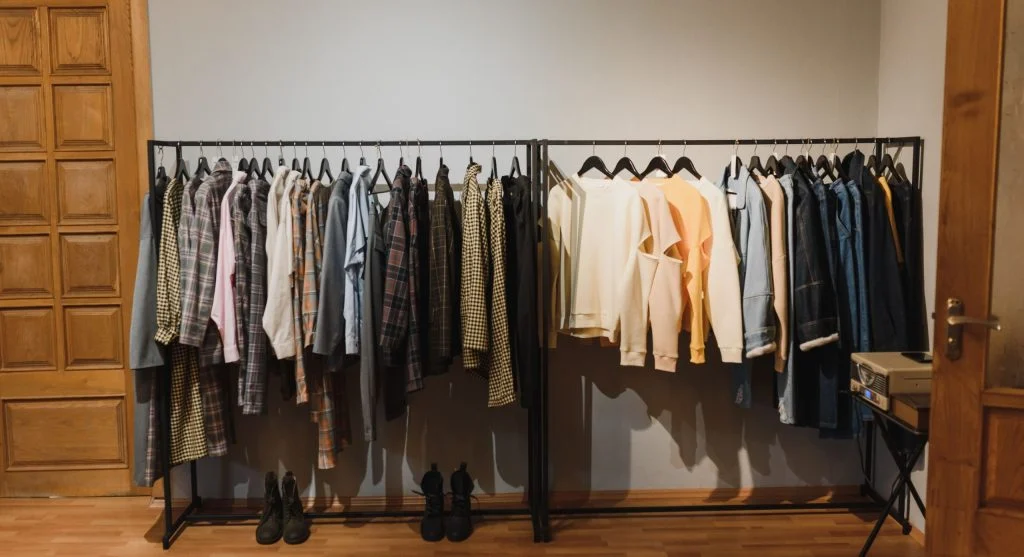
6. Keep One Small Space for Near-Future Outfits
A small shelf, hook, or narrow section saved for likely upcoming outfits can make weekdays much easier. This is not full weekly outfit planning. It is simply a way to keep one or two possible combinations ready in visible form. A shirt with trousers, a knit with denim, or a dress with the right layer can all sit there as an easy starting point.
This kind of mini-planning works because it creates momentum. The next outfit begins half-built instead of completely undecided.
7. Group Clothes by Outfit Behavior, Not Only by Type
Many closets are organized only by category, with all shirts together, all skirts together, and all jackets together. That can work, but weekday dressing often improves when clothes are also grouped by how they behave. Easy work shirts can sit near weekday trousers, while casual tops can stay closer to denim. This makes the closet feel more practical because it reflects how readers actually get dressed.
The wardrobe begins to show possible outfits instead of only showing product types. That small shift can make morning dressing feel much easier.
8. Remove Visual Distractions From the Busiest Zone
The most active part of the closet should feel as calm as possible. Packaging, extra hangers, off-season clutter, and random stored items can all weaken the usefulness of the main dressing area. One of the smartest adjustments is simply keeping the high-use weekday section cleaner than the rest. This helps the strongest options stand out and feel easier to trust.
Readers often underestimate how much visual clutter slows decision-making. A calmer closet section usually leads to calmer outfit choices too.
Why These Adjustments Create a More Automatic Wardrobe
These closet changes work because they reduce unnecessary decisions before the outfit even begins. The strongest pieces appear first, the finishing pieces stay close, and lower-value options stop interrupting the process. Over time, the wardrobe feels less random and more supportive. That makes repeat dressing easier, weekday stress lighter, and mornings smoother overall.
For many readers, the closet does not need more clothes to work better. It simply needs better priorities in the space that matters most.
Frequently Asked Questions
Q: What are smart closet adjustments?
A: Smart closet adjustments are small organization changes that make the most useful clothing easier to see, reach, and combine during daily dressing.
Q: Why does weekday dressing feel harder than weekend dressing?
A: Weekday dressing often happens under more time pressure, so weak closet structure becomes more noticeable. Readers usually need speed and clarity much more during the week.
Q: Do I need to reorganize my whole wardrobe to make mornings easier?
A: No. Small focused changes in the most-used section of the closet often help much more than a full reorganization done without clear priorities.
Q: What is the best closet change to start with?
A: One of the best starting points is grouping your most-worn weekday pieces together in one visible section so strong outfit choices appear faster.
Key Takeaway
Smart closet adjustments can make weekday dressing feel more automatic by placing the best daily pieces in the clearest, easiest-to-use positions. When clothing categories reflect real outfit behavior, the wardrobe becomes faster to read and easier to trust. For many readers, better style starts not with more clothes, but with a closet that finally works at weekday speed.

Related Posts

Why One Small Second-Choice Outfit Set Can Make Busy Mornings Feel Less Risky and More Manageable

Why One Small Always-Works Outfit Slot Can Make Daily Dressing Feel Faster and More Reliable