
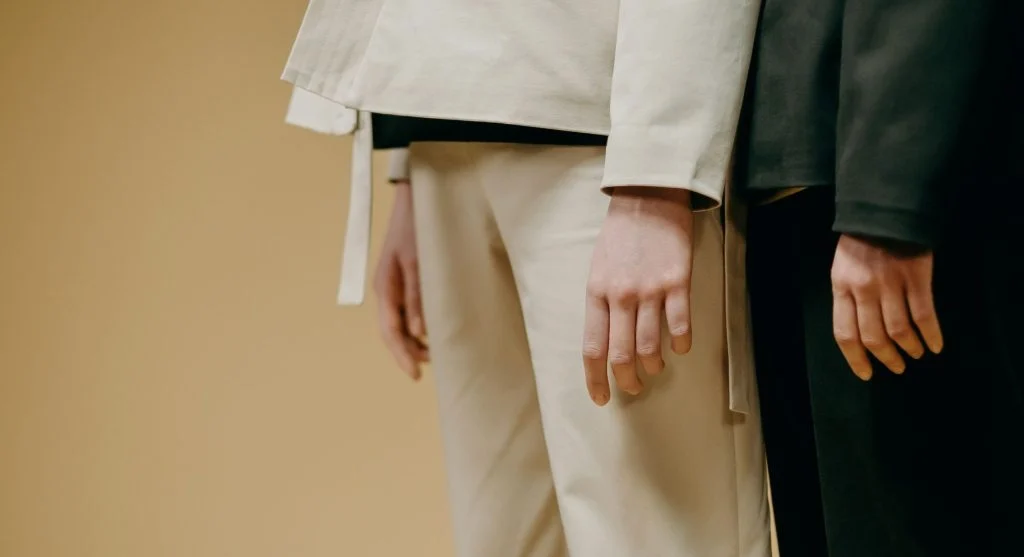
Why a Cleaner Sleeve Line Can Make Basic Outfits Look More Intentional
Some outfits are built from good basics and still do not look as finished as readers expect. The shirt may fit well, the trousers may work with many combinations, and the shoes may suit the day, yet the outfit still feels slightly incomplete. In many cases, the problem is not the clothing itself. It is one small detail that is very easy to overlook: the sleeve line.
Sleeves influence how the upper half of an outfit reads. A sleeve that bunches awkwardly, falls too softly, ends at an odd point, or looks untidy against the rest of the outfit can weaken the whole look. A cleaner sleeve line often does the opposite. It makes the clothing feel more deliberate, which can help even basic outfits look much more polished without adding anything dramatic.
What a Sleeve Line Means in Everyday Dressing
The sleeve line is the visual path the sleeve creates from shoulder to wrist. It includes how the fabric falls, where the sleeve ends, whether it bunches, and how it works with the rest of the outfit. Readers may not think about sleeves first when getting dressed, but the eye often notices them quickly because they frame the arms and shape the upper body.
This matters especially in simple outfits, where there are fewer bold details competing for attention. When clothing is basic, small structural choices become much more visible. Sleeves are one of those details.
Why Untidy Sleeves Weaken Otherwise Strong Outfits
A shirt can look sharp in theory and still feel off if the sleeves collapse awkwardly at the wrist. A knit can feel too soft if the sleeves stretch out unevenly. A jacket may lose some of its polish if the sleeves are too long or crowded over the hands. These issues may seem small, but they often affect the whole outfit because they sit in one of the most visible areas.
Stylists often explain that polish comes from line as much as from the clothing type itself. When the sleeve line looks cleaner, the full outfit usually feels more controlled.
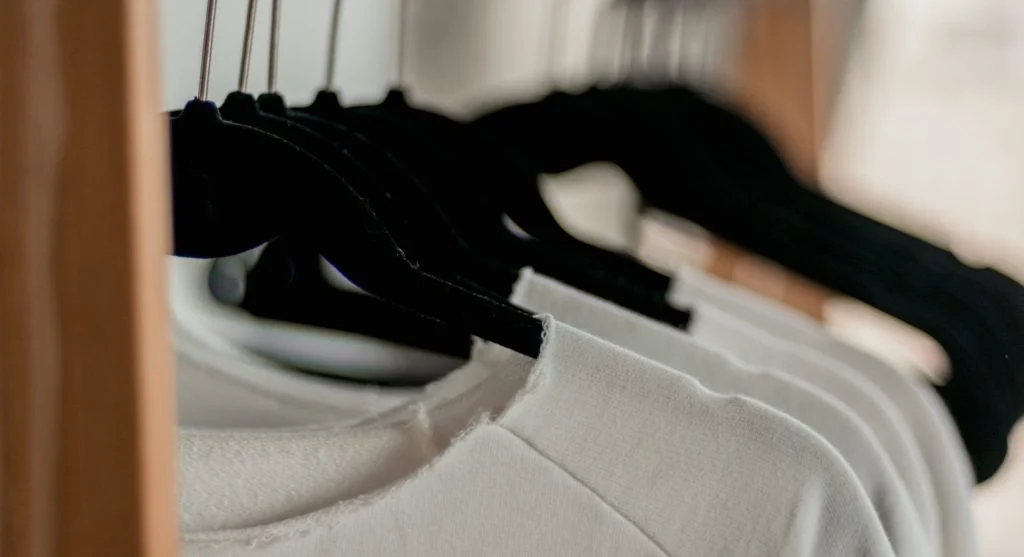
How a Cleaner Sleeve Line Improves Proportion
Sleeves help define the upper-body shape of an outfit. If they are too long, too bulky, or too collapsed, the top half can start to feel heavier than it should. A cleaner sleeve line often restores balance. It helps the clothing feel more aligned with the shoulders, waist area, and hands, which makes the whole outfit easier to read.
This is one reason better sleeve control can make basic outfits look more intentional. The silhouette starts to feel more finished, even when nothing else changes.
Why Sleeves Matter So Much in Outfits Built From Basics
Basic clothing depends heavily on shape and finish because it usually does not rely on loud prints, strong embellishment, or dramatic styling. In quieter outfits, the sleeve becomes part of the visual structure. A clean shirt cuff, a neat knit sleeve, or a jacket sleeve that lands properly can all create the kind of detail that makes an outfit feel smarter.
Readers often think they need more accessories to improve basic outfits, but sometimes the better solution is simply making the existing clothing look more resolved. Sleeves often play a major role in that.
How Knitwear Changes the Sleeve Effect
Knitwear often makes sleeve lines especially important because softer fabric can either look beautifully relaxed or slightly messy depending on how it falls. A knit sleeve that stops cleanly near the wrist can make the whole outfit feel balanced. One that bunches too heavily or stretches unevenly may make the top half look less deliberate.
This does not mean knitwear should look stiff. It simply means it should still have enough control for the sleeve to feel intentional rather than accidental.
Why Shirt Cuffs Often Create Polish Faster Than Accessories
A shirt cuff can work like a finishing detail without acting like jewelry or decoration. A crisp cuff at the right point often makes the whole outfit feel more thought-through. It tells the eye that attention was paid to the clothing itself, not only to the extras added afterward.
This is one reason shirts often look so strong when the cuffs are handled well. They create quiet structure, which helps basic outfits feel more complete before shoes, bags, or accessories even enter the picture.

How Jackets and Blazers Depend on Sleeve Clarity
Outer layers often shape the upper body more than tops do, so sleeve clarity becomes even more important. A blazer or jacket may have the right structure overall, but if the sleeves feel too long or too heavy, the piece can lose some of its usefulness. A clearer sleeve line usually helps tailored clothing feel sharper and everyday outerwear feel more deliberate.
This is especially true in simple wardrobes where jackets repeat often. Since those layers appear across multiple outfits, their sleeve lines affect much more than one look.
Why Sleeve Line Affects the Feeling of Movement
Clothing does not only need to look right while standing still. It also needs to move well throughout the day. A sleeve line that stays relatively clean in motion usually helps the outfit feel more controlled. When sleeves twist, fall awkwardly, or collapse too much during ordinary movement, the clothing can start to look less settled.
Readers often notice this more in everyday life than in the mirror. A sleeve that seems fine at first can behave very differently after a few hours of normal activity.
How Readers Can Improve Sleeve Lines Without Changing the Whole Wardrobe
One useful step is simply noticing which tops and layers already create a cleaner line. These pieces often become the most dependable ones for a reason. Readers can also pay attention to where the sleeve ends, how much bunching appears, and whether the wrist area looks clearer after a small adjustment. Sometimes the improvement comes from choosing better-fitting pieces more often. Other times it comes from wearing the clothing more intentionally.
The goal is not perfection. It is simply creating enough clarity that the outfit feels more deliberate than accidental.
Why This Small Detail Has Such a Large Effect
A cleaner sleeve line matters because it shapes one of the most visible parts of the outfit without calling attention to itself. It works quietly. It does not need strong color, expensive fabric, or extra styling tricks to create impact. Instead, it improves what is already there and lets basic clothing look more settled and complete.
For many readers, this is exactly the kind of style detail that matters most. It is small, repeatable, and practical enough to improve everyday dressing again and again.
Frequently Asked Questions
Q: What is a cleaner sleeve line?
A: A cleaner sleeve line means the sleeve falls in a neater, more controlled way from shoulder to wrist, without awkward bunching, dragging, or visual heaviness.
Q: Why do sleeves affect basic outfits so much?
A: Sleeves affect basic outfits strongly because simple clothing relies more on shape and finish than on dramatic details. A messy sleeve can weaken the whole look quickly.
Q: Does this only matter for shirts and blazers?
A: No. It also matters in knitwear, lightweight jackets, dresses with sleeves, and other everyday pieces where the arm line shapes the upper part of the outfit.
Q: What is the easiest way to notice sleeve problems?
A: The easiest way is to check how the sleeves look both standing still and after moving normally. If they bunch heavily, fall awkwardly, or make the top half feel too heavy, they may need more attention.
Key Takeaway
A cleaner sleeve line can make basic outfits look more intentional because it improves one of the most visible structural details in everyday clothing. Better sleeve clarity helps an outfit feel more balanced, more polished, and easier to trust without needing extra styling. For many readers, stronger everyday style begins with details that work quietly instead of loudly.

Related Posts
Why One Clear Mid-Outfit Shape Can Make Everyday Looks Feel More Controlled Without Feeling Too Styled
Why One Clear Start-and-Finish Shape Can Make Everyday Outfits Feel More Complete Without Extra Styling