

Why a Three-Outfit Backup Plan Can Make Busy Mornings Feel Much Less Stressful
Many mornings feel more stressful than they need to because outfit planning begins from scratch at the worst possible time. There may already be several things competing for attention—weather, schedules, messages, errands, or work responsibilities—yet the wardrobe still demands multiple decisions before the day can begin. Even a well-organized closet can feel unreliable when everything depends on last-minute choices.
One simple solution is to create a three-outfit backup plan. This does not mean wearing the exact same outfit every week or giving up personal style. Instead, it means keeping three proven outfit formulas ready for mornings when time is limited, energy is low, or nothing in the closet seems to come together easily. For many people, this small system makes daily dressing feel smoother because it removes the pressure to be creative every single morning.
What a Three-Outfit Backup Plan Really Is
A three-outfit backup plan is a small collection of outfit combinations that have already been tested and trusted. These are not idealized looks that only work under perfect circumstances. They are practical outfits that fit everyday life, handle regular movement, and can be worn repeatedly without requiring much thought.
The value of the system comes from having reliable options already prepared. Instead of standing in front of the closet trying to build a new outfit under pressure, you can reach for something that has already proven successful.
Why Three Outfits Is Often the Perfect Number
Having just one backup outfit can help in a pinch, but it may quickly feel limiting if used too often.
On the other hand, creating too many backup options can bring back the same decision-making problem the system is meant to solve.
Three outfits usually provide the right balance. They offer enough flexibility for different moods, weather conditions, and daily activities while remaining easy to remember and use.
This small rotation also prevents the wardrobe from feeling repetitive while still keeping choices simple.
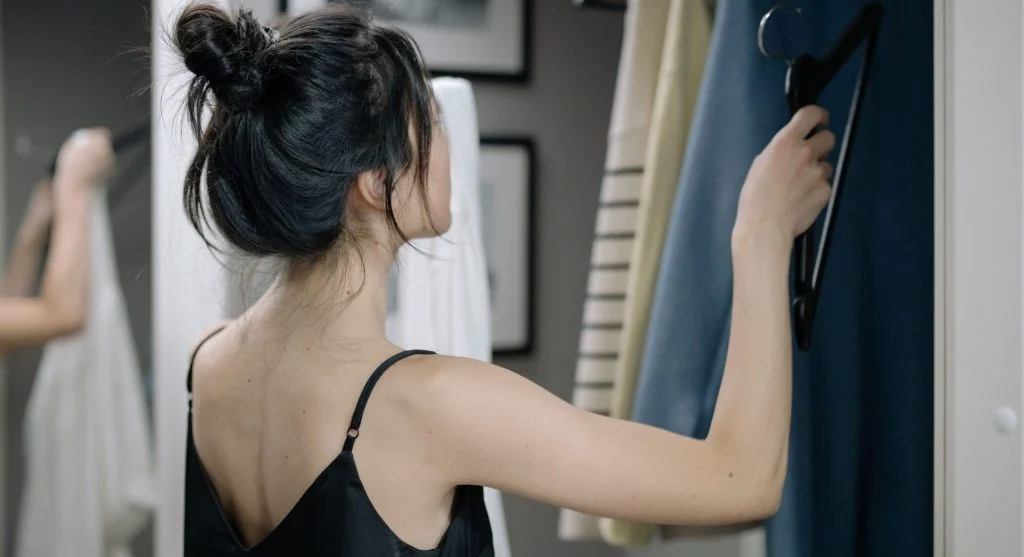
Why Busy Mornings Benefit From a Backup System
Morning stress rarely comes from clothing alone.
Most people are already managing several responsibilities before leaving the house. A wardrobe that feels manageable on a relaxed day can suddenly seem overwhelming when time is short.
That is why a backup system works so well. It removes one decision from an already crowded mental list.
Wardrobe experts often point out that a successful closet should function just as well on rushed mornings as it does on leisurely ones. Backup outfits help achieve that consistency.
What Makes a Backup Outfit Dependable
A reliable backup outfit usually shares several characteristics.
It fits comfortably and consistently. It works with normal daily activities. The shoes are practical for real life. The pieces do not require complicated styling tricks to look good together.
Most importantly, the outfit has already succeeded in everyday wear.
This is why dependable backup outfits are often less dramatic than the outfits people imagine when thinking about style inspiration. Their strength comes from reliability rather than novelty.
How the System Reduces Decision Fatigue
Decision fatigue builds when people are forced to make too many choices repeatedly.
Getting dressed may seem like a small task, but it becomes more difficult when combined with everything else happening in the morning.
A three-outfit backup plan reduces that pressure by narrowing the options at exactly the moment when fewer choices are most helpful.
The system does not remove personal style. It simply provides trusted answers when the brain would rather not solve another problem before breakfast.
Why Backup Outfits Improve the Entire Wardrobe
One unexpected benefit of creating backup outfits is that they reveal which pieces truly deserve a place in the wardrobe.
If the same jacket, trousers, shoes, or handbag keep appearing in trusted combinations, that usually means those items provide genuine value.
This insight can help with future shopping decisions, closet organization, and understanding personal style more clearly.
In that way, the system does more than save time. It teaches you which pieces consistently support your everyday life.
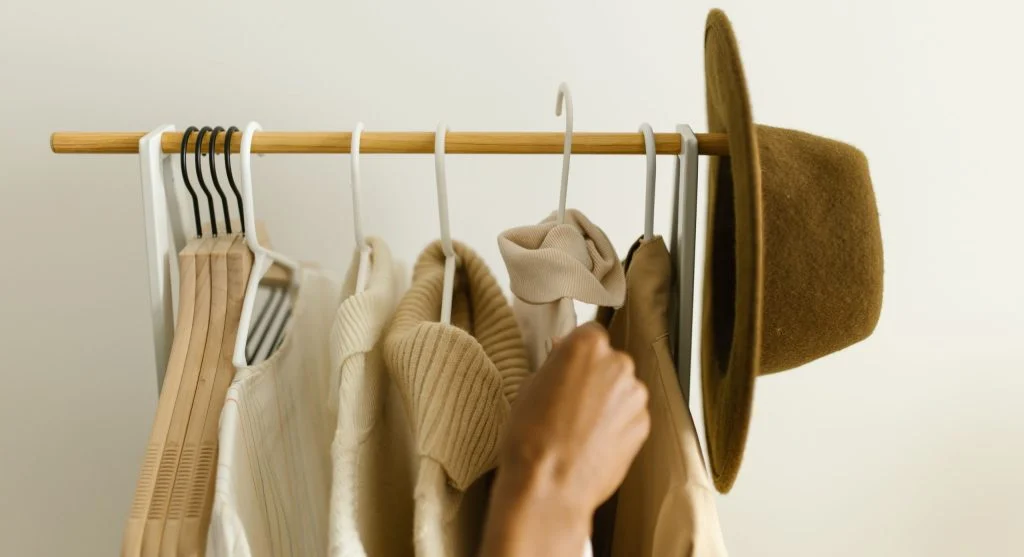
How to Build Three Backup Outfits Without Overthinking It
The easiest approach is to start with what already works.
Think about outfits that have made you feel comfortable, confident, and appropriately dressed during normal days.
Once those outfits are identified, make small improvements if needed. Perhaps a more versatile shoe would work better, or a different layer would make the outfit more adaptable.
The key is to build from real experience rather than idealized style goals.
Backup outfits should feel realistic enough to wear on a rushed Wednesday morning, not just appealing while planning on a quiet weekend.
Why Backup Outfits Do Not Make Style Repetitive
Some people worry that relying on backup outfits will make their wardrobe feel predictable.
In reality, the opposite is often true.
Because backup outfits handle the most stressful mornings, they create more freedom for experimentation on days when there is time and energy for it.
The system adds stability without removing creativity.
That balance is one reason it works so well for everyday dressing.
How Weather and Lifestyle Should Shape the Plan
The most effective backup outfits reflect real life.
One combination may work best for warmer weather. Another may be better for cooler indoor environments. A third may support more walking, commuting, or movement throughout the day.
The goal is not to prepare for every possible situation.
Instead, the three outfits should comfortably handle the conditions and routines you encounter most often.
A successful backup plan is personal. It reflects how you actually live rather than how an ideal wardrobe looks on paper.
Why the System Builds Confidence
Confidence often comes from knowing something has already been tested.
A three-outfit backup plan provides dependable solutions instead of leaving each morning to chance.
That reliability changes how the wardrobe feels.
Rather than being a place where problems need solving, the closet becomes a resource filled with proven answers.
For many people, that sense of readiness is even more valuable than the outfits themselves.
Frequently Asked Questions
Q: What is a three-outfit backup plan?
A: A three-outfit backup plan is a small set of trusted outfit combinations kept ready for mornings when time is short, energy is low, or the wardrobe feels difficult to use quickly.
Q: Why does this system help busy mornings?
A: It helps because it reduces decision fatigue and gives the reader a few dependable outfit answers instead of forcing a full clothing decision from scratch under pressure.
Q: What makes a good backup outfit?
A: A good backup outfit usually fits well, works with normal daily movement, uses realistic shoes and layers, and has already proven useful in real-life dressing rather than only in theory.
Q: Will backup outfits make my style feel repetitive?
A: Not necessarily. They usually create stability for stressful mornings while leaving plenty of room for more variety on days when there is time and energy for it.
Key Takeaway
A three-outfit backup plan can make mornings feel calmer by giving the wardrobe reliable answers when time and energy are limited. Instead of starting from zero every day, you can depend on a few trusted combinations that have already proven themselves. For many people, the smartest wardrobe strategy is not having more options—it is having better ones ready when they are needed most.

Related Posts

Why One Small Second-Choice Outfit Set Can Make Busy Mornings Feel Less Risky and More Manageable

Why One Small Always-Works Outfit Slot Can Make Daily Dressing Feel Faster and More Reliable