Why a More Defined Waistline Can Make Simple Everyday Outfits Look More Finished
Some everyday outfits include all the right pieces and still feel as though something is missing. The top may be practical, the trousers may fit well, and the shoes may suit the occasion, yet the overall look can still seem a little flat. In many situations, the issue is not the clothing itself. The problem is that the outfit lacks a clear visual center.
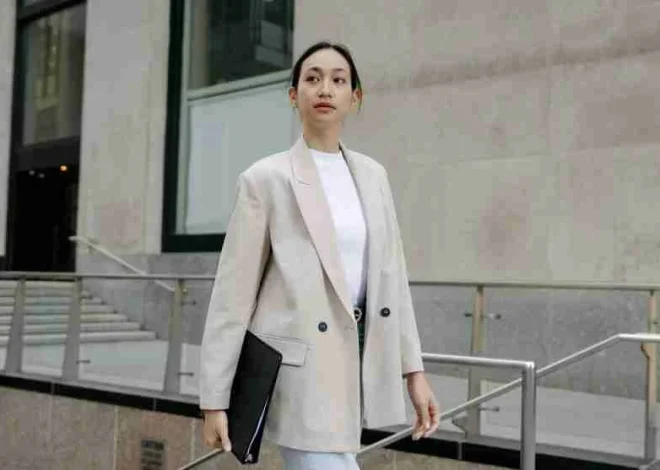
One of the simplest ways to create that center is through a more defined waistline. This does not necessarily mean wearing tight clothing or creating a dramatic silhouette. Often, it is simply about making the connection between the upper and lower halves of the outfit more visible and intentional. That small adjustment can quickly improve proportion, shape, and overall polish, especially in everyday outfits built around basics.
Why the Waistline Matters So Much
The waistline often serves as the visual hinge of an outfit.
It helps the eye understand how the upper and lower portions of a look relate to each other. When the waist area feels hidden, overly loose, or undefined, an outfit can appear heavier or less structured than it actually is.
A clearer waistline provides a stronger sense of organization.
This is particularly important in simple wardrobes, where proportion often has a greater impact than decoration. Even well-chosen clothing can lose some of its effectiveness if the outfit lacks a strong visual center.
What a Defined Waistline Really Means
Many people assume waist definition automatically means fitted clothing, but that is not necessarily true.
A defined waistline can come from:
- A neat front tuck
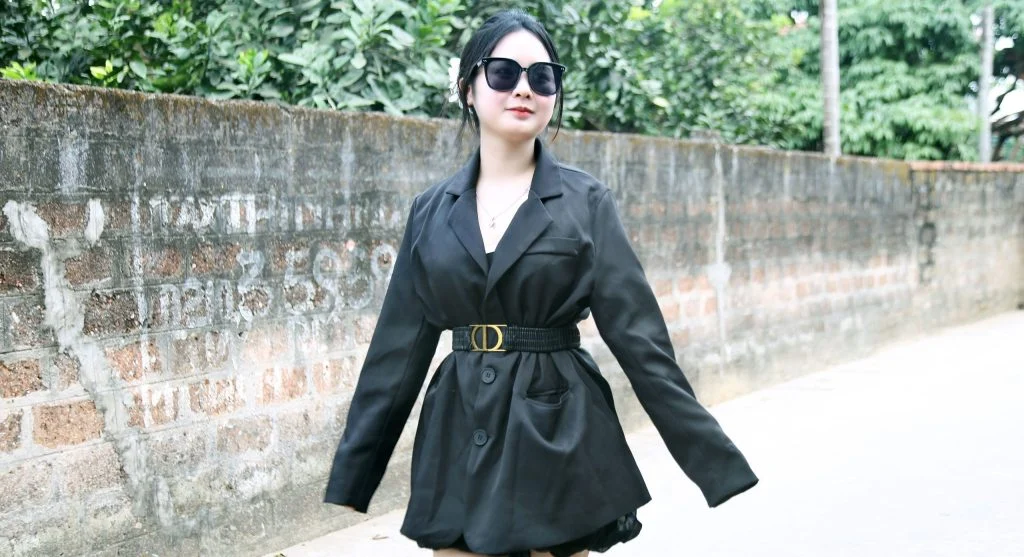
- A simple belt
- A top that ends at a more flattering length
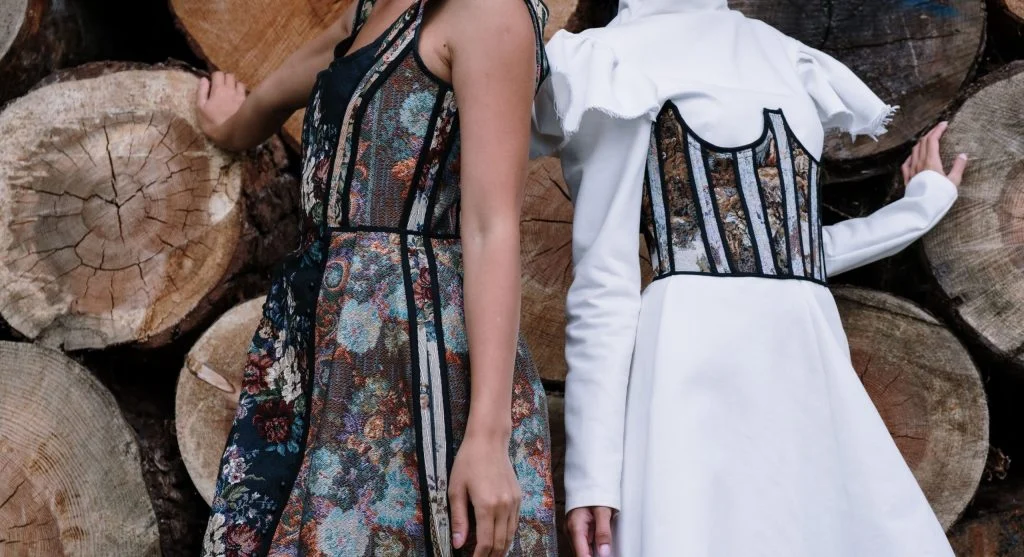
- A dress seam that creates gentle shape
- A layer that allows the waist area to remain visible
The goal is not restriction.
The goal is clarity.
This makes the concept far more approachable than many people expect. Readers do not need dramatic shaping or highly fitted garments. They simply need enough visual structure to help the outfit feel complete.
Why Undefined Waists Can Make Outfits Feel Heavy
When the waist disappears completely, the eye often reads the outfit as one uninterrupted block.
There are situations where this effect works intentionally, but in many everyday outfits it can make the silhouette feel less balanced.
For example, a very loose top paired with equally relaxed bottoms may create too much visual softness through the middle of the body. Even if the individual pieces are attractive, the overall outfit can appear less polished.
A more defined waistline often solves this problem by giving the eye a clear point of reference.
As a result, the entire silhouette tends to feel more intentional.
How Tucked Tops Transform Proportion
A tuck remains one of the easiest ways to introduce waist definition.
A shirt, blouse, or knit that feels slightly shapeless can often look much more deliberate once part of the waistline becomes visible.
This simple adjustment can:
- Make the legs appear longer
- Create cleaner proportions
- Help the outfit feel more finished
Because the change is so small, it is often worth experimenting with before assuming an outfit needs completely different clothing.
Sometimes the pieces are already working—the proportions simply need refinement.
Why Belts Add More Than Function
Belts are commonly viewed as practical accessories, but they often play a structural role as well.
A belt creates a visual stopping point that helps organize the outfit.
When the connection between a top and bottom feels weak, adding a belt can provide enough definition to strengthen the silhouette.
This is especially helpful when the colors of the top and bottom are similar and need clearer separation.
In most everyday outfits, a simple belt tends to work best because it adds structure without becoming the focal point.
How Dresses and One-Piece Outfits Benefit
Waist definition can be especially important in dresses, jumpsuits, and other one-piece garments.
Because these pieces do not naturally separate the upper and lower body, much of their shape depends on where the waist is suggested.
A tie, wrap detail, seam, or subtle gathering at the waist often helps create balance and visual direction.
This is one reason why some simple dresses look polished immediately while others seem to need an extra element.
Often, the difference has less to do with color or fabric and more to do with how the waistline is handled.
Why Waist Definition Matters in Simple Wardrobes
Simple wardrobes often rely on subtle styling details rather than bold statement pieces.
In these closets, proportion becomes one of the most powerful tools available.
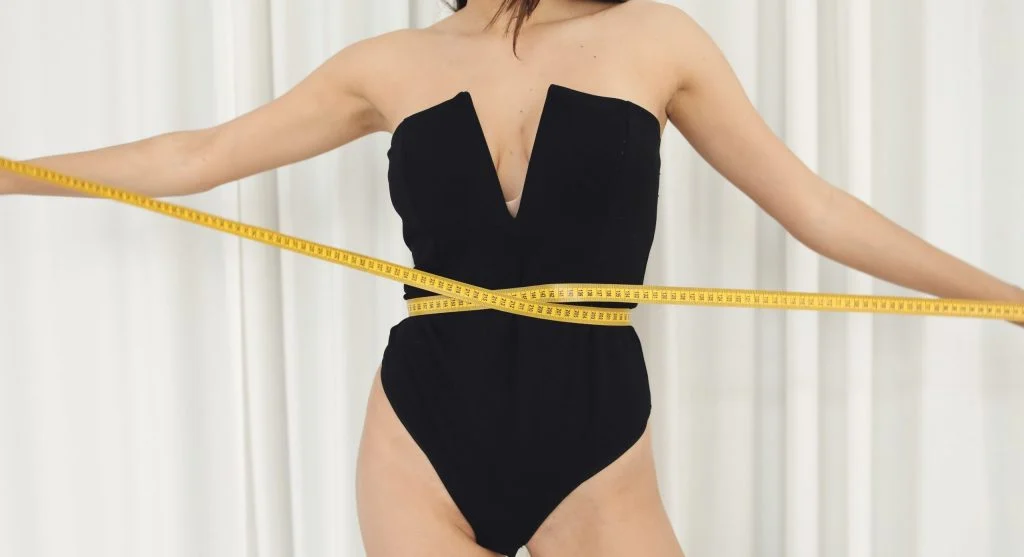
A defined waistline can turn an outfit that feels merely practical into one that feels intentional and polished.
The best part is that this improvement rarely requires new clothing.
It comes from using existing pieces more strategically.
For readers who prefer understated style, waist definition often provides enough structure on its own.
How Layers Can Help or Hide the Waist
Outer layers influence waist definition more than many people realize.
A jacket that ends at the right point or hangs open in a flattering way can help maintain the shape created by the outfit underneath.
On the other hand, a bulky or awkward layer can hide that structure completely.
This is why layering choices often determine whether an outfit feels balanced.
The goal is not for every layer to emphasize the waist directly. It is simply to avoid erasing all the shape that the rest of the outfit has created.
Why Waist Definition Does Not Mean Dressing Tighter
One of the biggest misconceptions about waist definition is that it requires close-fitting clothing.
In reality, many successful outfits create shape through balance and placement rather than tightness.
A relaxed shirt can still be tucked.
A loose dress can still include a tie.
A wider trouser can still create a flattering silhouette when the waist remains visible.
What matters most is not how tight the clothing is.
What matters is whether the outfit has a clear sense of direction.
This makes the concept practical for everyday wardrobes where comfort remains a priority.
How to Tell When an Outfit Needs More Waist Definition
A common sign is when the outfit feels slightly heavy or shapeless through the middle, even though the individual pieces seem right.
Another clue is when a simple adjustment—such as a tuck or belt—immediately improves the overall look.
If one small change near the waist makes the outfit feel more balanced, the silhouette likely needed greater definition.
These are often the kinds of issues people mistake for larger wardrobe problems.
In many cases, the clothing itself is perfectly fine. The outfit simply needs a stronger visual center.
Frequently Asked Questions
Q: What does a defined waistline mean in an outfit?
A: A defined waistline means the outfit shows a clearer visual center where the upper and lower parts of the look connect, often through a tuck, belt, seam, or more balanced garment shape.
Q: Does waist definition require tight clothes?
A: No. It can come from proportion and placement rather than tightness. Relaxed clothing can still create a clear waistline in a very wearable way.
Q: Why does waist definition improve simple outfits so much?
A: It improves simple outfits because it gives the silhouette more structure and balance, which often makes basic clothing look more polished and intentional.
Q: What is the easiest way to test this in my own wardrobe?
A: One of the easiest ways is trying a neat tuck or a simple belt with an outfit that feels slightly unfinished. If the look improves right away, the waistline likely needed more clarity.
Key Takeaway
A more defined waistline can make simple everyday outfits feel noticeably more polished because it creates a stronger visual center and improves overall proportion. Whether achieved through a tuck, a belt, thoughtful layering, or garment design, this small adjustment often helps basic clothing look more balanced, intentional, and easy to wear. For many people, strengthening the middle of the silhouette is one of the simplest ways to elevate everyday style without adding more clothing.

Related Posts
Why One Clear Mid-Outfit Shape Can Make Everyday Looks Feel More Controlled Without Feeling Too Styled
Why One Clear Start-and-Finish Shape Can Make Everyday Outfits Feel More Complete Without Extra Styling