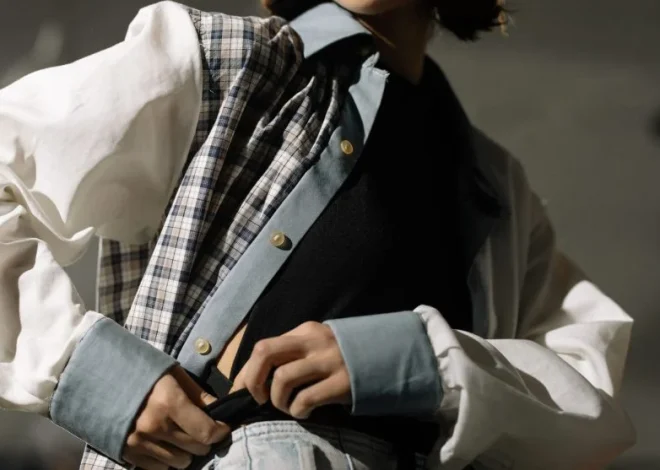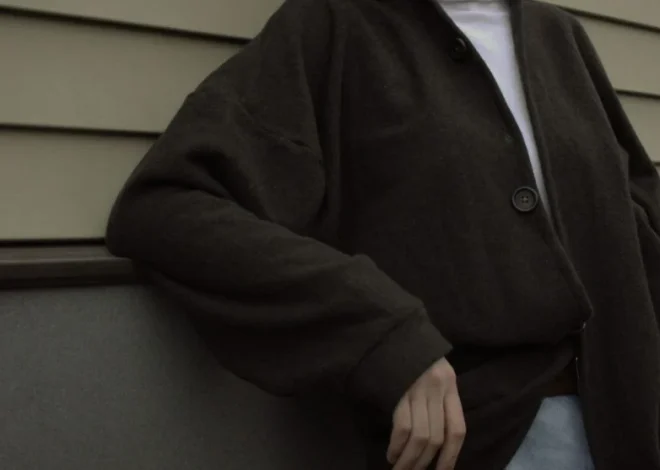

8 Fashion Mistakes That Can Make Outfits Look Less Polished
Fashion mistakes are often less about choosing the wrong item and more about how the whole outfit comes together. Many people assume polished style depends on expensive clothing or constantly following trends. In reality, everyday fashion usually looks stronger when fit, proportion, color, and small details feel balanced.
Stylists and wardrobe planners often point out that even minor issues can change how an outfit feels. A few simple adjustments can make clothing look more intentional without adding anything new to the closet.
Why fashion mistakes are often small, not dramatic
Most outfits don’t fail because one piece is completely wrong. The issue is usually mismatch. A well-fitted top might be paired with poorly balanced trousers, or practical shoes might not match the overall tone of the outfit. These small misalignments can affect the final look more than expected.
That’s why style advice often focuses on balance instead of strict rules. Everyday outfits improve when pieces work together rather than being judged individually.
1. Wearing clothes that do not fit properly
Fit is one of the most common fashion mistakes because it impacts everything at once. Clothing that is too tight can look uncomfortable, while overly loose pieces can lose shape and structure. Even good-quality items can look less polished if the fit feels off.
Tailoring professionals often emphasize that small adjustments like shortening sleeves or fixing trouser length can improve multiple outfits. The goal isn’t tightness, but a clean shape that still allows comfortable movement.

Credit: MART PRODUCTION / Pexels
2. Ignoring outfit balance
Outfit balance comes down to how volume and structure work together. An oversized top usually needs something more fitted below, while wide trousers often look better with a cleaner, more defined top. When everything is loose or everything is tight, the outfit can feel off.
Fashion editors often describe balance as one of the quickest ways to improve style without buying anything new. Small changes like a front tuck, adjusting a hem, or adding a layer can shift the whole look.
3. Mixing too many strong details at once
A common mistake is trying to make every part of the outfit stand out. Bold colors, prints, textures, statement accessories, and standout shoes can end up competing instead of complementing each other. The result often feels cluttered.
Stronger outfits usually have one clear focal point. That could be a coat, a pair of shoes, a bag, or a color accent. The rest of the pieces work more quietly to support it.
4. Choosing shoes that clash with the outfit purpose
Shoes influence both comfort and the overall tone of an outfit. One frequent issue is choosing footwear that doesn’t match the pace of the day. A very formal shoe can feel out of place with relaxed clothing, while overly casual shoes can weaken a more structured look.
Stylists often suggest a simple check: does the shoe match what the outfit is meant for? If not, adjusting footwear can often fix the look quickly.
5. Wearing colors that compete instead of connect
Color can elevate an outfit, but it can also create confusion when too many unrelated shades are used together. This doesn’t mean avoiding color—it means using it with some connection.
Wardrobe specialists often recommend building around one base color family with a single accent. This keeps the outfit more cohesive and makes it easier to mix pieces across different days.
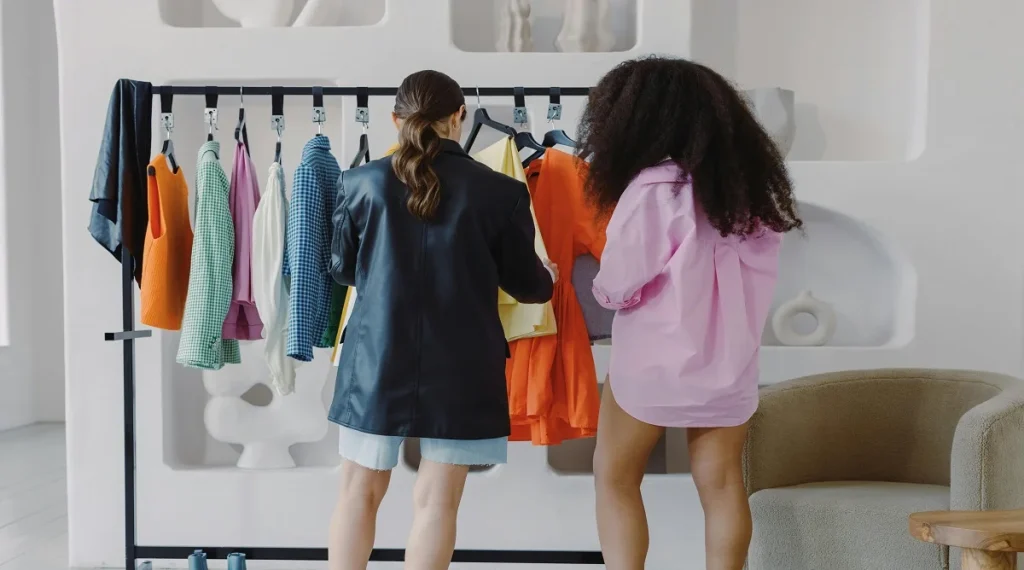
6. Forgetting the condition of the clothes
An outfit can lose its impact if the clothing looks worn, wrinkled, stretched, or poorly maintained. Style is not only about what you wear it’s also about how well those pieces are kept. A simple outfit in good condition often looks more polished than a trend-driven look that feels neglected.
Fabric care experts often point out that small habits like steaming, proper folding, and basic upkeep help clothes hold their shape and appearance. Condition quietly supports style more than many people expect.
7. Following trends without checking personal routine
Trends can be helpful for inspiration, but they don’t always fit real life. A common mistake is choosing pieces that look current but don’t match daily movement, weather, or comfort. These items often end up unused.
Wardrobe consultants usually recommend filtering trends through everyday needs first. If something doesn’t fit your routine, it’s unlikely to improve your wardrobe, no matter how popular it is.
8. Skipping the final finishing check
Many style issues happen because the outfit is never reviewed as a whole. A quick mirror check can reveal uneven hems, bulky layering, wrinkled fabric, or accessories that feel too heavy.
Stylists often emphasize that polished dressing comes from editing. Sometimes the best finishing step is removing one distracting element rather than adding something new.
How to correct fashion mistakes without replacing the wardrobe
Most style mistakes can be improved through better fit, proportion, maintenance, and styling not by buying more clothes. A stronger wardrobe usually comes from understanding how existing pieces work together.
Simple adjustments like refining hems, simplifying accessories, sticking to a cohesive color palette, or choosing more suitable shoes can improve multiple outfits at once. The most effective wardrobes rely on clear habits rather than constant shopping.
Frequently Asked Questions
Q: What are the most common fashion mistakes in everyday outfits?
A: The most common fashion mistakes usually involve poor fit, weak outfit balance, clashing colors, or too many strong details at once. Small styling changes can often fix these issues quickly.
Q: How can outfit balance make clothes look better?
A: Outfit balance helps clothes look better by creating a clearer shape and steadier proportions. This often means pairing volume with structure instead of repeating the same shape in every piece.
Q: Do fashion mistakes mean the clothes are wrong?
A: Not usually. Many fashion mistakes come from how clothes are combined, not from the clothes themselves. Better styling choices can often improve the same wardrobe pieces.
Q: Can simple outfits still look polished?
A: Yes. Simple outfits often look very polished when fit, color, shoes, and finishing details are handled well. Many strong everyday fashion looks are built on simple basics.
Key Takeaway
Most fashion mistakes are not dramatic. They usually come down to fit, balance, color coordination, or skipping small finishing checks. When these elements are slightly off, the whole outfit can feel less polished.
The encouraging part is that these issues are easy to fix. By adjusting proportions, simplifying color choices, improving garment condition, and taking a moment to review the full look, many outfits can feel more intentional. Strong everyday style usually comes from small, consistent improvements rather than major changes.