8 Seasonal Looks That Help Everyday Outfits Feel More Flexible
Seasonal looks often matter most when the weather refuses to stay steady. Many readers know the feeling of dressing for a cool morning, only to face warmer temperatures a few hours later. In these moments, the best outfits are usually the ones that can adjust without needing a full change.
Fashion editors, wardrobe planners, and retail stylists often explain that everyday dressing becomes easier when seasonal outfits rely on flexible layers instead of dramatic changes. A few useful combinations can help readers move through spring and fall with less stress and more confidence.
Why seasonal looks need flexibility more than perfection
Many people think seasonal dressing means buying a completely new set of clothes every few months. In practice, it often means learning how to use the same wardrobe in smarter ways. Seasonal looks work best when they can adapt to different temperatures, settings, and activity levels without becoming uncomfortable or overly complicated.
Wardrobe experts often note that flexibility is what makes transitional clothing useful. An outfit that can handle a cool commute, a warmer afternoon, and a breezy evening is usually more valuable than one that only works for one part of the day.
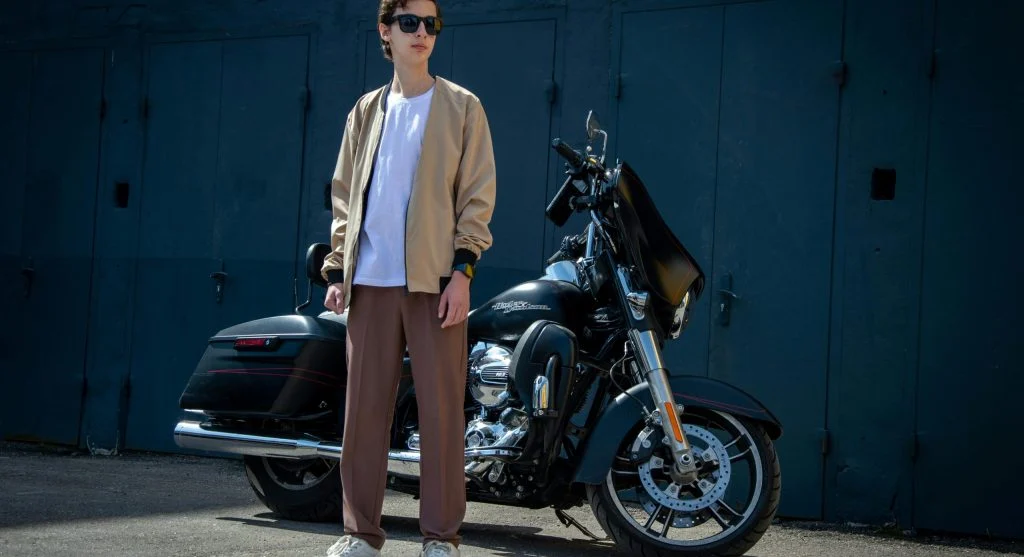
1. Light jacket with a plain top and straight trousers
This is one of the most dependable seasonal looks because it stays simple and easy to adjust. A light jacket can come off without much effort, while a plain top and straight trousers keep the outfit balanced underneath. The combination works well for errands, workdays, lunch plans, and everyday city wear.
Stylists often favor this formula because it creates structure without feeling heavy. A neat jacket also helps basic wardrobe pieces look more polished during in-between weather.
Credit: Vika Glitter / Pexels
2. Knitwear over a shirt with relaxed denim
Layering knitwear over a shirt adds warmth without creating too much bulk. Paired with relaxed denim, the outfit feels practical and easy to repeat. This makes it useful on days when the weather shifts between cool and mild.
Fashion observers often note that layered basics look strongest when the colors stay calm. Soft gray, cream, navy, olive, and denim blue usually make the outfit easier to mix and wear again later in the week.
3. A midi dress with a denim jacket and flats
This combination works because it blends softness with useful structure. The dress keeps the outfit light, while the denim jacket helps it feel grounded in cooler air. Flats or loafers can keep the overall look practical for longer wear.
Seasonal looks often benefit from this kind of contrast. A softer piece paired with a more structured layer tends to feel balanced and useful in everyday life.
4. Blazer with a T-shirt and jeans
A blazer layered over a plain T-shirt is one of the easiest ways to make casual denim look sharper in transitional weather. The blazer adds structure and light coverage, while the T-shirt keeps the outfit relaxed. Jeans make the look comfortable enough for normal daily movement.
Style editors often describe this as one of the strongest examples of layered style because it combines polish and comfort without requiring too much effort.
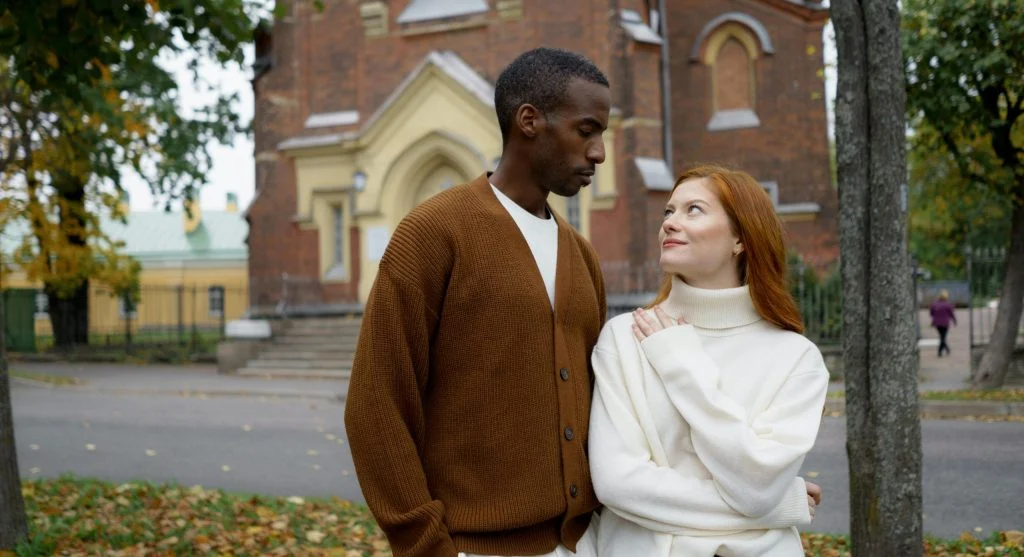
5. Fine cardigan with cropped trousers and simple shoes
A fine cardigan is often more useful than a heavier layer during mild seasonal changes. It can be worn open, closed, or carried easily once the day warms up. Cropped trousers and simple shoes help the outfit feel lighter and easier to manage.
Wardrobe planners often recommend pieces like this because they support changing weather outfits without adding bulk or making the outfit feel too warm too early in the day.
Credit: cottonbro studio / Pexels
6. Matching set with one removable outer layer
A matching set can simplify seasonal dressing because much of the coordination is already done. Adding one outer layer, such as a light trench, blazer, or relaxed jacket, gives the outfit enough flexibility to handle different temperatures throughout the day.
Retail stylists often point out that matching sets look polished with little effort. They also work well because the pieces can be separated and worn with basics once the weather changes again.
7. Lightweight trench with denim and knitwear
A lightweight trench remains one of the most practical outer layers for in-between seasons. It adds shape, offers light protection, and works with both casual and more polished clothing. Paired with denim and knitwear, it creates a steady outfit formula that can be repeated often.
Seasonal looks often become easier when there is one reliable outer layer that works across many combinations. A trench coat often fills that role well because it supports different shoes, bottoms, and layers.
8. Plain shirt with a sweater over the shoulders
Sometimes the most flexible outfit is the one that prepares for changing conditions without fully layering from the start. A plain shirt with a sweater carried over the shoulders or in hand gives readers a warm option later in the day without making the morning outfit feel too heavy.
Style professionals often note that planning for temperature changes can matter more than dressing for one exact moment. Seasonal looks tend to work better when readers leave room for adjustment.
How changing weather outfits stay polished
Changing weather outfits usually look best when they do not try to do too much at once. Clear layers, calm colors, and one or two dependable shoe choices often create stronger results than complicated styling. Seasonal looks often lose their polish when too many bulky or unrelated pieces are added in a rush.
Stylists often suggest keeping the outfit structure easy to read. One outer layer, one base outfit, and one practical shoe choice are often enough to make the look feel complete and flexible.
Why layered style makes seasonal dressing easier
Layered style gives readers more control throughout the day. A jacket can come off, a cardigan can be added, and a knit can be carried when needed. This kind of flexibility helps the outfit stay useful longer and reduces the need for a full change later on.
Wardrobe specialists often explain that layered style works best when each piece can stand on its own. If every part of the outfit remains useful after one layer is removed, the full look stays stronger.
Frequently Asked Questions
Q: What makes seasonal looks easier to wear?
A: Seasonal looks are often easier to wear when they rely on light layers, simple colors, and practical outfit formulas. Flexibility usually matters more than dramatic styling.
Q: How can changing weather outfits stay comfortable?
A: Changing weather outfits usually stay comfortable when layers can be added or removed easily. Lightweight jackets, cardigans, and simple knits often work well for this.
Q: Do seasonal looks require a separate wardrobe?
A: No. Most seasonal looks can be built from the same core basics with different layers, fabrics, and shoes. Small changes often matter more than a full closet reset.
Q: What colors work best in layered style?
A: Calm, connected shades such as navy, gray, cream, beige, olive, and denim blue often work best in layered style. They make it easier to mix several visible pieces without creating visual clutter.
Key Takeaway
Seasonal looks often feel strongest when they stay flexible enough to fit real life. Lightweight outerwear, calm colors, practical layers, and simple outfit formulas can make dressing for changing weather much easier. For many readers, seasonal looks work best when layered style supports comfort, balance, and repeat wear throughout the entire day.