
8 Style Basics That Help Clothes Look More Balanced Every Day
Style basics often make the biggest difference when an outfit feels slightly off, but the problem is not easy to spot. Many readers do not need more clothes. They need a clearer understanding of the simple details that help outfits feel balanced, polished, and easy to wear from morning to evening.
Stylists, wardrobe planners, and fashion editors often explain that strong outfits usually come down to a few repeatable principles. Fit, proportion, color, and structure often matter far more than buying new pieces. That is why style basics remain useful across seasons, daily routines, and changing fashion cycles.
Why style basics matter in daily dressing
Daily dressing leaves little room for trial and error. People often get dressed while thinking about work, errands, travel, family tasks, or weather changes. Style basics matter because they reduce guesswork. When readers understand a few core ideas, getting dressed becomes more reliable and much less stressful.
Wardrobe experts often note that the strongest outfits are usually not the most complicated ones. They are the ones built on clothing that works together easily and supports real life without needing too much adjustment.
1. Start with style basics that fit properly
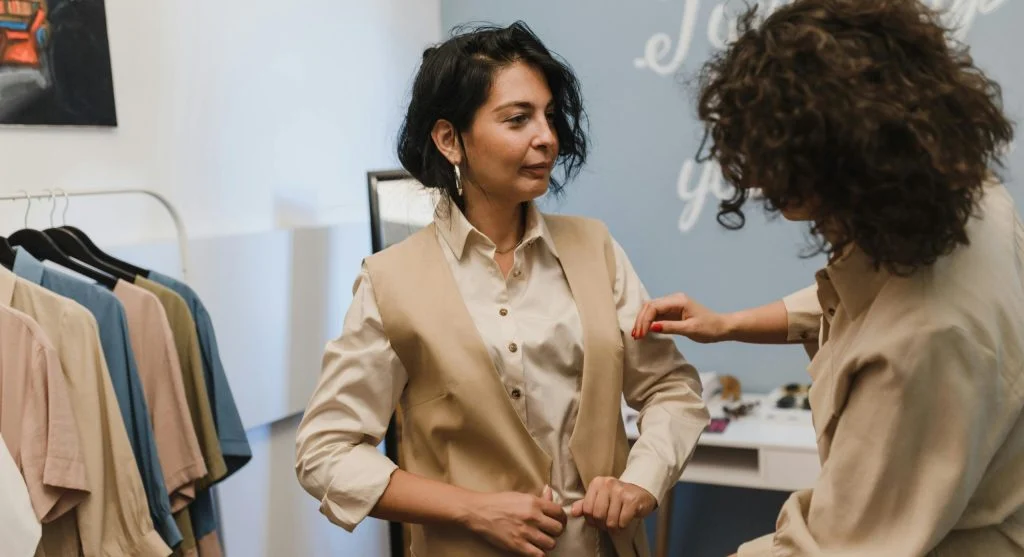
Fit is one of the most important style basics because it shapes the entire outfit. A shirt that pulls, trousers that drag, or a jacket that sits awkwardly can weaken a look, even when the clothing itself is attractive. Better fit often makes basic items look more polished right away.
Tailoring professionals frequently explain that small changes can have a big effect. Hemming trousers, adjusting sleeves, or improving shoulder fit can make everyday outfits feel clearer and more intentional without changing the whole wardrobe.
Credit: Arina Krasnikova / Pexels
2. Use one structured piece to create outfit balance
One structured item can help softer clothing look more organized. This could be a blazer, trench coat, straight trouser, crisp shirt, or a bag with a clear shape. Structure gives the eye something steady to follow, which helps the entire outfit feel more balanced.
Fashion editors often describe this as one of the easiest ways to strengthen daily style. A structured piece does not have to make the outfit formal. It only needs to bring a little order to the look.
3. Keep proportions clear instead of extreme
Proportion is another essential part of style basics. Very loose clothing from top to bottom can feel heavy, while very fitted clothing from top to bottom can feel tense. Outfit balance usually improves when one area has shape and another has some ease.
Stylists often recommend simple contrast. A fuller trouser can pair well with a cleaner top line, and a relaxed knit can work well with straighter denim or a more structured lower half. These choices help the outfit feel easier to read.
4. Let wardrobe basics carry most of the outfit
Wardrobe basics such as plain shirts, useful knitwear, simple denim, neutral trousers, and dependable shoes usually do more work than trend pieces. These items make it easier to repeat strong looks because they combine well across several days and situations.
Closet planners often explain that basics create the framework of the wardrobe. Without enough of them, stronger pieces may stay unworn because there is nothing calm enough to support them.
5. Use color in a calm, connected way
Color has a strong effect on whether an outfit feels clear or scattered. One of the most helpful style basics is building around connected shades. Neutral tones such as black, white, gray, navy, beige, olive, and denim blue usually make outfit balance easier.
This does not mean every outfit has to stay neutral. Accent colors can still add personality. The key is making sure the colors feel related instead of competing for attention all at once.

Credit: SHVETS production / Pexels
6. Choose shoes that support the outfit mood
Shoes often change how clothes are read. A clean sneaker can make tailored pieces feel relaxed, while a loafer or low boot can sharpen simple clothing quickly. One of the easiest style basics to overlook is whether the shoes match the mood and purpose of the rest of the outfit.
Stylists often suggest thinking about both appearance and use. Shoes that look right but do not support the schedule can make the outfit feel less successful over time. A good shoe choice helps the look stay balanced all day.
7. Keep accessories controlled, not crowded
Accessories can add interest, but too many strong details at once may weaken the outfit. A bag, belt, watch, scarf, or pair of earrings can finish the look well, but they usually work best when they support the outfit rather than compete with it.
Fashion editors often recommend one or two clear finishing details. This helps readers keep the look polished while allowing the clothing itself to remain the main focus.
8. Do a final check before leaving
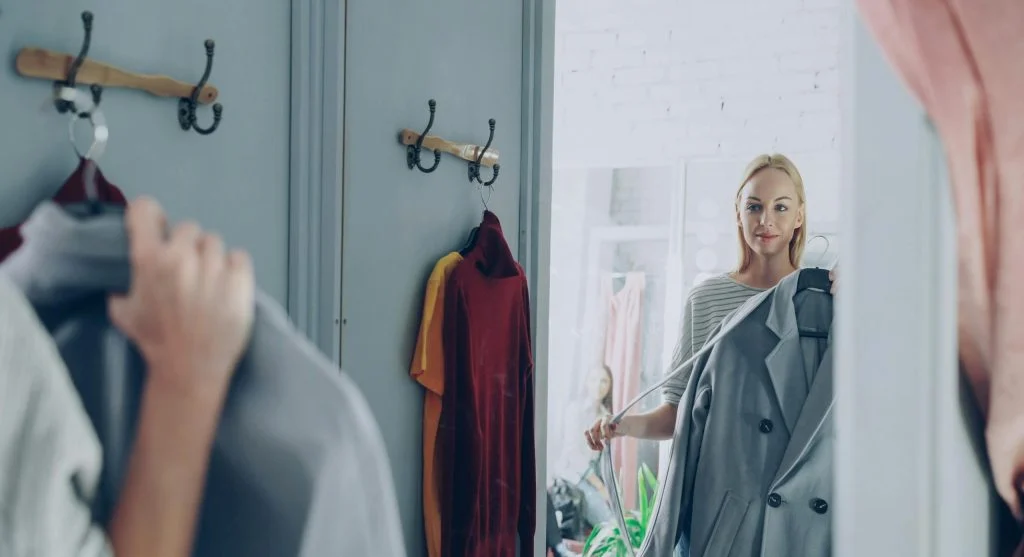
One of the simplest style basics is also one of the most useful. A quick final mirror check can catch small issues such as bunching fabric, too many accessories, awkward layering, or shoes that do not fit the rest of the look. These details may seem minor, but they often decide whether the outfit feels complete.
Stylists often say that getting dressed is partly about editing. Removing one thing or adjusting one layer can improve outfit balance more quickly than adding something new.
How style basics make daily style easier to repeat
Style basics are useful because they work again and again. They help readers repeat strong outfits without feeling like they are wearing the same exact thing every day. Once fit, structure, color, and balance become easier to manage, the whole closet feels more dependable.
Wardrobe specialists often explain that strong personal style usually grows from repetition, not constant reinvention. The more clearly basics work, the less effort daily dressing requires.
Frequently Asked Questions
Q: What are the most important style basics in an outfit?
A: The most important style basics usually include proper fit, clear proportions, calm colors, simple wardrobe basics, and shoes that support the outfit well. These details often shape the full look more than trend pieces do.
Q: Why does outfit balance matter so much?
A: Outfit balance matters because it helps the eye read the clothing more clearly. When fit, volume, and structure feel steady, the outfit usually looks more polished and easier to wear.
Q: Can simple wardrobe basics still look stylish?
A: Yes. Simple wardrobe basics can look very stylish when they fit well, stay in good condition, and are combined with clear outfit structure. Many polished looks rely on basics more than statement pieces.
Q: How can style basics make getting dressed faster?
A: Style basics make getting dressed faster because they reduce guesswork. When readers know what fits well, what colors mix easily, and which outfit shapes tend to work, mornings become easier to manage.
Key Takeaway
Style basics help clothes look more balanced every day because they focus on the details that consistently support strong outfits. Better fit, balanced proportions, calm colors, simple wardrobe essentials, and a final outfit check can improve daily style without adding unnecessary complexity. For many readers, style basics are what make the entire wardrobe easier to use and easier to trust.

Related Posts
Why One Clear Mid-Outfit Shape Can Make Everyday Looks Feel More Controlled Without Feeling Too Styled

Why One Clear Start-and-Finish Shape Can Make Everyday Outfits Feel More Complete Without Extra Styling